Monitoring Systems: While autopilots handle routine tasks, pilots are essential for overseeing system operations, responding to emergencies, and making judgment calls when automation fails or is unable to handle unexpected scenarios.
Manual Intervention: In complex situations like severe weather, unexpected malfunctions, or critical decision-making during takeoff and landing, human pilots are irreplaceable.
2. Pilot Training and Instruction
Flight Instructors: With more people entering the aviation field, the demand for experienced pilots to train new recruits is increasing. Opportunities in flight schools and airline training programs continue to grow.
Simulator Instructors: As simulation technology advances, experienced pilots are needed to guide trainees through these complex and highly realistic environments.
3. Aviation Management and Operations
Airline Management: Experienced pilots often transition into managerial roles within airlines, overseeing flight operations, safety protocols, and logistics.
Operational Leadership: Pilots with deep technical knowledge of aviation systems are valuable in ensuring that airlines and airports run smoothly, especially in integrating human oversight with automated systems.
4. Specialized Aviation Roles
Cargo and Military Pilots: The demand for specialized roles such as cargo transport, military aviation, or private jet flying remains high. These sectors often require highly skilled pilots who can handle diverse and demanding environments.
Emergency and Medical Transport: Helicopter and small aircraft pilots for emergency medical services, search-and-rescue missions, and firefighting are in demand and operate in challenging environments that rely heavily on pilot expertise.
5. Unmanned Aerial Vehicles (UAVs)
Drone Pilot Training: With the growth of UAVs, pilots can transition into drone operation for sectors like surveillance, cargo delivery, agriculture, and even passenger transport in the near future.
UAV System Designers: Experienced pilots can contribute to the design and development of autonomous systems by providing human insights into flight operations and decision-making.
6. Corporate and VIP Aviation
Private Aviation: The demand for corporate, private, and VIP jet pilots continues to rise, with more individuals and companies opting for private air travel solutions, which require skilled, certified, and experienced pilots.
Charter Operations: Charter services, where pilots take on more flexible schedules, offer opportunities for pilots to work independently or with smaller companies.
7. Air Traffic Control and Safety Regulation
Regulatory Agencies: Pilots can transition into roles with aviation regulatory bodies, such as the FAA or EASA, to help shape policies, enforce safety standards, and certify new aircraft technologies.
Safety Inspectors: Pilots can work as safety inspectors for airlines or airports, ensuring that safety regulations and protocols are followed, especially in the interface between automated systems and human operations.
While the role of an aircraft pilot is crucial, aircraft technicians are equally important. Maintenance engineers play a vital role in ensuring aircraft safety and operational efficiency. To learn more about the critical contributions of maintenance engineers, you can read the article here.
JobsReach Aviation’s Role in Connecting Aviation Professionals Globally
JobsReach Aviation is uniquely positioned to play a pivotal role in helping pilots and aviation professionals find opportunities in this evolving industry. Here’s how the platform could impact the industry:
Portrait of happy pilot and air hostess standing in the airport terminal
Centralized Platform for Global Aviation Opportunities
Connecting Pilots to Diverse Roles: JobsReach Aviation can serve as a centralized hub where pilots can find job opportunities not only in traditional commercial aviation but also in specialized fields such as UAV operation, private aviation, and military roles.
International Access: By offering a global platform, JobsReach Aviation can provide access to jobs in various countries, making it easier for pilots to explore opportunities in regions with pilot shortages or high demand for specialized skills.
Personalized Job Matching
Skill-Based Filtering: The platform can help match pilots with opportunities tailored to their specific qualifications, such as flight hours, aircraft type ratings, and areas of expertise (e.g., cargo, charter, corporate).
Career Progression Support: JobsReach Aviation can support career development by offering roles for experienced pilots looking to transition into management, training, or safety positions.
Networking for Aviation Professionals
Building a Community: By fostering a network of aviation professionals, JobsReach Aviation can create a space for collaboration, mentorship, and knowledge sharing. This network would enable pilots to connect with peers, recruiters, and industry experts.
Knowledge Sharing: The platform can feature forums, webinars, and learning modules to help pilots stay updated on industry trends, regulatory changes, and new career opportunities.
Highlighting Industry Trends and Emerging Opportunities
Keeping Pilots Informed: JobsReach Aviation can regularly publish insights into industry trends, emerging roles (e.g., drone pilots, eVTOL operators), and the impact of new technologies on pilot career paths.
Early Access to New Job Markets: By staying ahead of trends like urban air mobility and autonomous aircraft, JobsReach Aviation can help pilots transition into new roles, ensuring that they remain relevant in a rapidly changing aviation landscape.
Global Reach with Localized Support
Regional Jobs: The platform can offer localized job opportunities for specific regions, ensuring pilots can find relevant opportunities while still accessing a global network.
Local Partnerships: JobsReach Aviation can partner with regional airlines, training schools, and regulatory bodies to ensure pilots are connected to local opportunities while staying aware of international prospects.
As autopilot technology advances, pilots remain crucial to the aviation industry in roles that require human judgment, experience, and adaptability. Opportunities for pilots continue to grow in areas like training, corporate aviation, UAV operation, and safety oversight. JobsReach Aviation can play a transformative role in connecting aviation professionals to these opportunities, creating a global platform for pilots to find jobs, access training, and build a professional network that spans diverse sectors of the aviation industry.
Are you searching for a job as an Aircraft Mechanic? Finding quality employment in this specialized field can be challenging, but there are several strategies that can help you secure the best position. In this blog post, we’ll share 7 tips for finding quality employment as an Aircraft Mechanic. Read on to discover how you can enhance your chances of landing the job you want in this competitive market. With these tips and strategies, you’ll be on your way to a rewarding and lucrative career as an Aircraft Mechanic!
To secure quality employment as an aircraft mechanic, it’s crucial to stay updated on the latest industry knowledge. Research relevant aviation databases and organizations to stay informed about aviation regulations, safety standards, and technological advancements.
Mechanics must also keep up with certification requirements to legally practice their trade. Gaining specialized certifications for specific aviation systems or aircraft types can further demonstrate a high level of expertise and enhance marketability.
Proactively seeking additional education on new aviation technologies can be advantageous when searching for employment. Showing initiative in acquiring more knowledge indicates to employers a strong commitment to aviation excellence.
2.Obtain Professional Certification
Obtaining certification as an aviation professional is crucial for aircraft mechanics seeking quality employment. Certification assures potential employers that you have the required knowledge and skills to perform aviation-related tasks safely and effectively.
Achieving aviation certification involves completing a designated aviation course and passing an exam approved by the Federal Aviation Administration (FAA). After certification, it’s important to stay updated on aviation technology, safety protocols, design schematics, and other relevant concepts to maintain your certification status.
Continuing education courses can help you stay current with aviation advancements and keep your certification valid. Pursuing reputable aviation certifications can greatly enhance your employment opportunities as an aircraft mechanic.
3.Connect with Industry Professionals
Connecting with aviation professionals is a crucial strategy for finding quality employment as an aircraft mechanic. Building relationships within the aviation industry can provide valuable insights into the job market and uncover potential job opportunities.
Networking may also help you gain contacts who can offer recommendations or direct you to aviation schools for further training or certifications. To enhance your networking efforts, attend aviation events like seminars, trade shows, and conventions, reconnect with former colleagues, and consider joining aviation associations and clubs.
Regardless of the approach, networking plays a vital role in securing a qualified position in the aviation industry.
4.Investigate Various Employers
Researching potential aviation employers is a crucial step for anyone seeking a career as an aircraft mechanic. Understanding prospective employers helps you identify quality job opportunities and determine where you might be the best fit.
Effective research includes examining employer policies, safety records, and client or customer reviews. Additionally, familiarizing yourself with relevant labor laws in your area is beneficial, as aviation employers often adhere to stringent safety and practice standards.
The more effort you invest in researching various aviation employers, the better positioned you will be to find high-quality employment.
5.Be Adaptable
Securing quality employment as an aircraft mechanic requires adaptability. The aviation industry can be highly competitive, and depending on the region and available programs, employers may not always have immediate openings for aircraft mechanics. However, those who remain flexible may find opportunities to enter the aviation maintenance field.
Being open to new experiences or considering different locations can significantly expand your job prospects. Additionally, gaining cross-training and certification in other areas of aviation, such as UAV drones, helicopter aviation, or aviation maintenance, can further enhance your career opportunities.
Flexibility allows you to explore new horizons and opportunities within the aviation industry, increasing your chances of finding quality employment as an aircraft mechanic.
6.Broaden Your Skill Set
To remain competitive in the aviation industry, aircraft mechanics must continually enhance their skills. While experience is crucial for securing quality employment, obtaining advanced certifications and specialized training can set you apart from other candidates.
Expanding your skill set through aviation-related college courses or attending specialized workshops can significantly benefit you. This demonstrates a deeper understanding of aviation engineering and systems, making you more valuable to employers.
When seeking quality employment, actively look for opportunities to enhance your aviation knowledge and skills.
7.Make Use of Job Boards
As an aircraft mechanic, using job boards is a valuable strategy for discovering quality aviation employment opportunities. Numerous websites list aviation-related job postings, often providing detailed information about the company and the position.
Thoroughly researching available positions and finding a good match between employer and employee can give you an advantage in securing quality aviation employment. Additionally, job boards can offer networking opportunities, helping you build professional connections.
JobsReach Aviation is an effective approach for aircraft mechanics to find employers who appreciate their skills and expertise.
Conclusion
Securing quality aviation employment as an aircraft mechanic is achievable with dedicated effort and strategic approaches. By researching potential employers, staying adaptable to job opportunities, expanding your skill set through education and certification, and networking with industry professionals, aspiring aircraft mechanics can enhance their job search.
JobsReach Aviation utilizes social networking to globally distribute job opportunities to professionals across the aviation industry, including pilots, aircraft engineers, mechanics, ground staff, and others.
With the right dedication and effort, securing a rewarding position in aviation mechanics is well within reach. Here’s how to effectively hire an aircraft mechanic.
Are you thinking about becoming an aircraft mechanic? If so, it’s important to recognize the significant responsibilities that come with the role. As a certified aircraft mechanic, you will be tasked with maintaining and repairing airplanes to ensure the safety of passengers and crew. Before you embark on this career path, it’s crucial to understand what it entails. In this blog, we’ll discuss 10 essential things you need to know before becoming an aircraft mechanic. Continue reading to get an inside look at this rewarding career. You can also explore tips for securing quality employment as an aircraft mechanic.
1.Aircraft Mechanics Are Responsible for the Maintenance and Repair of Aircrafts
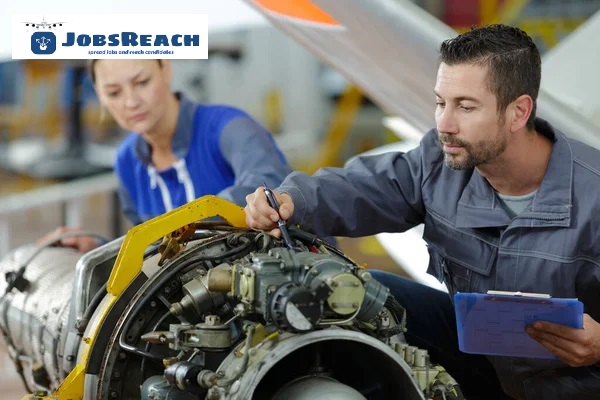
Becoming an aircraft mechanic demands extensive knowledge of aviation and aviation safety. This role involves maintaining and repairing various aircraft systems and components, including the fuselage, wings, engine, hydraulics, and fuel system.
To become a certified aircraft mechanic, you must complete rigorous training and education. This includes mastering aviation terminology, maintenance practices, safety measures, basic electrical functions and principles, aerospace materials and hardware, and all engine systems and propellers.
Additionally, working as an aircraft mechanic requires exceptional attention to detail to meet both customer expectations and the safety regulations set by the Federal Aviation Administration (FAA).
For those passionate about aviation, being an aircraft mechanic is a rewarding career. With dedication and hard work, you can contribute to the advancements in the aeronautical field!
2.They must possess a thorough understanding of aviation systems
Aircraft mechanics require a deep understanding of aviation systems, specifically hydraulics, pneumatics, and electrical systems. This knowledge is crucial for passenger safety, as mechanics must accurately interpret service manuals to diagnose mechanical issues and perform repairs correctly.
They must have an intimate understanding of aviation systems, focusing on components such as powered lift systems, propellers, and navigation and communication equipment. A typical day might involve troubleshooting component malfunctions with aviation test equipment like multimeters, replacing engine parts, running aviation computer diagnostics, and responding to emergency calls as needed.
Therefore, exceptional technical knowledge of aviation systems is essential for the job and must be acquired before becoming an aircraft mechanic.
3.Aircraft mechanics must be proficient in reading blueprints and schematics
As an aircraft mechanic, interpreting blueprints and schematics is crucial for effectively diagnosing and repairing malfunctions. Schematics are detailed diagrams that outline the design of an aircraft’s systems and components, while blueprints offer additional visual guidance related to each part of the system.
To accurately address any mechanical issue, it’s essential to understand these blueprints and schematics to pinpoint the exact source of the malfunction. Therefore, aircraft mechanics must have a comprehensive understanding of how each component works and interacts with others to ensure that repairs are both precise and safe.
4.They must be capable of using hand tools and power tools safely
Being an aircraft mechanic involves using a variety of hand and power tools for disassembling, assembling, inspecting, and repairing aircraft systems. Proper tool use is crucial for making precise adjustments and repairs safely. Familiarity with a broad range of tools is necessary for effective diagnosis and repair.
Mechanics must also understand the correct use of each tool to avoid damaging the aircraft or its systems during repairs. This includes keeping tools in good condition and storing them safely.
Additionally, understanding safety measures when working with hand and power tools is important. This includes wearing protective eyewear and gloves, and being aware of potential hazards in the work environment.
By adhering to these practices, aircraft mechanics can ensure that all repairs are performed accurately and safely.
5.They may need to work overtime or on weekends, as aircraft often require maintenance outside of regular business hours.
Those considering a career as an aircraft mechanic should be prepared for extended hours to meet the maintenance needs of aircraft. The aviation industry operates around the clock, requiring mechanics to often work outside of regular business hours, including evenings and weekends.
This role may also involve travel if maintenance is needed away from home, and flexibility in scheduling is essential to accommodate the demands of airlines.
Therefore, before pursuing this profession, it’s important to be comfortable with the possibility of working beyond standard working hours.
6.Aircraft mechanics must have a high school diploma or equivalent. Additionally, they may need an associate’s degree or certification from an accredited aviation school.
To become an aircraft mechanic, a high school diploma or equivalent is required. Additional qualifications, such as an associate’s degree from an accredited aviation school or certification from the Federal Aviation Administration (FAA) or the National Center for Aircraft Technician Training (NCATT), are also advantageous.
These qualifications demonstrate a commitment to the field and can enhance employment prospects as an aircraft mechanic. Additionally, a valid driver’s license may be necessary in certain situations.
Therefore, having the appropriate qualifications, certifications, and licenses is essential for those pursuing a career as an aircraft mechanic.
7.They must pass a Federal Aviation Administration (FAA) physical exam every two years.
To work in the aviation industry, aircraft mechanics must pass a physical examination conducted by the Federal Aviation Administration (FAA) every two years. This exam includes tests for hearing, vision, respiratory function, cardiovascular health, and neurological status. The purpose is to ensure that all personnel working on aircraft are physically capable of performing their duties.
Additionally, since the role may involve handling hazardous materials and working in challenging conditions, maintaining a valid physical examination is crucial.
Therefore, individuals considering this profession should ensure they are in good physical condition to pass all FAA requirements.
8.Aircraft mechanics typically earn between $34,000 and $67,000 annually
Aircraft mechanics typically earn between $34,000 and $67,000 per year. The salary range varies based on experience, qualifications, and the region of employment.
Additionally, benefits such as health insurance, pension plans, and paid vacation days may be offered, depending on the employer.
Therefore, individuals considering a career in aviation should be aware of the potential earnings and ensure their qualifications and experience are of a high standard to maximize their earning potential.
For insights into the broader employment landscape, explore the 2024 Job Market in the Netherlands, including key trends, opportunities, and salary ranges.
9.They can find employment with airlines, aircraft manufacturers, or government agencies
The aviation industry is highly competitive, and job opportunities are not guaranteed. However, aircraft mechanics can find employment with airlines, aircraft manufacturers, or government agencies.
Each of these employers may have different qualifications and experience requirements, so it is important to research the specific criteria before applying for positions. Additionally, many employers prefer candidates with up-to-date FAA certification.
Therefore, those considering a career as an aircraft mechanic should ensure they have the appropriate qualifications and certifications to enhance their chances of securing employment.
10.Aircraft mechanics must pursue continuing education and training to stay current with the latest advancements in aviation technology
The aviation industry is continuously evolving, so aircraft mechanics must keep up with the latest technology to remain employed.
Fortunately, there are numerous continuing education opportunities available to help them stay ahead. Many employers also offer additional training, such as seminars, workshops, and online courses.
Therefore, aircraft mechanics should take advantage of these development opportunities to stay informed about industry advancements. This will help them stay competitive and enhance their chances when applying for positions in the aviation industry.
Conclusion
Aircraft mechanics are crucial to the aviation industry, as they ensure that all aircraft are in safe working condition. Those interested in this profession should obtain the necessary qualifications, certifications, and licenses to enhance their chances of securing employment.
Moreover, staying current with the latest technology and industry advancements is essential to remain competitive and successful. With the right qualifications and ongoing training, aircraft mechanics can enjoy a rewarding career in the aviation industry.
Here JobsReach reaches candidates across the globe with relevant opportunities, attracting ideal applicants for the job vacancies posted by employers on our platform, and makes hiring possible without boundaries. JobsReach has no limits, connecting with potential applicants from anywhere in the world directly, without intermediaries.
1.The role of the Licensed Aircraft Maintenance Engineer
Aircraft maintenance vs annual technical car inspection
Aircraft maintenance is akin to the annual technical inspection required for cars, albeit with more stringent regulations and complexities. While cars undergo maintenance and inspections typically once a year to ensure safety and performance, aircraft maintenance is governed by detailed European and national legislation. These regulations mandate that before each flight, every essential component undergoes meticulous checks, regardless of whether any issues have been identified.
Each aircraft follows a meticulously prepared maintenance schedule created by the manufacturer, encompassing every part, engine, and airframe parameter. Airlines are legally obligated to have their fleets maintained by approved aircraft maintenance organizations, overseen in the Netherlands by the Human Environment and Transport Inspectorate (IL&T).
Strict rules
The Licensed Aircraft Maintenance Engineer is a certified aviation technician under the Dutch Aviation Act (Luchtvaartwet) and international regulations. Known as “GWKs” in the Netherlands, these ground engineers hold a European Aircraft Maintenance License (AML), issued by the Dutch KIWA Register on behalf of the Minister of Infrastructure and Water Management. This license is nearly identical to the “Commercial Pilot License” required for Dutch airline pilots.
Each aircraft type requires a separate authorization. A ground engineer can only certify maintenance and release the aircraft for service after successfully completing all relevant courses, on-the-job training, and practical training for that specific aircraft type.
Crucial role in flight safety
Ground engineers authorize an aircraft for service after maintenance has been completed. They are responsible and liable for overseeing all maintenance activities, including those performed by non-licensed personnel like mechanics. Regulators position ground engineers as the “last line of defense” to minimize aviation safety risks. Only the ground engineer has the authority to determine if the aircraft is fit to return to service after maintenance.
Working conditions
Maintaining aircraft is a genuine passion for aeronautical technicians. Working on a machine that lifts 250 tons with hundreds of passengers and complex engines delivering immense power is a unique and challenging job.
However, the working conditions for mechanics and GWKs can be tough. Since commercial flights operate 24/7, maintenance is performed in continuous shifts, including nights, weekends, and public holidays. Some tasks are done in confined spaces or hard-to-reach areas, and line maintenance on the platform requires working in all weather conditions.
Despite these challenges, thousands of aviation technicians in the Netherlands pursue their profession with great satisfaction. Every day, mechanics and ground engineers ensure that millions of passengers, as well as their colleagues in the cockpit and cabin, can board with confidence and enjoy a safe flight.
Lengthy training course
To become a GWK, one must complete a basic technical education, such as an Aircraft Mechanics course. This includes obtaining the practical and theoretical Part 66 modules required for approving and ensuring maintenance on an aircraft. The EU highly regulates the content and examination of these modules. In the Netherlands, only two training institutes, located in Hoogerheide and Maastricht, are certified to conduct these examinations.
Upon passing the required exams, the student receives a basic AML and can now be called an “aircraft mechanic,” eligible to apply for positions in the technical department of an airline or an aircraft maintenance company.
This initial job marks the beginning of further training to obtain the full AML and progress to the position of GWK with certification privileges. Achieving professional maturity as a ground engineer, with demonstrable experience on a specific aircraft type or helicopter, typically takes 7 to 12 years.
Regular exams and training are necessary to maintain the validity of the aircraft type authorization.
Personal liability
The special privilege of releasing an aircraft for service is highlighted by the fact that GWKs can be held personally liable if they make mistakes in their work. In severe cases, the Public Prosecution Service may even initiate criminal prosecution. This responsibility cannot be transferred to the employer or covered by an insurance company.
2. Shortage
Shortage of new mechanics
The enthusiasm for technical careers among young people has been declining for years, as evidenced by various surveys and studies. This trend is evident in aviation, where the influx of new mechanics mirrors the low interest seen in other technical industries.
Furthermore, numerous vacancies and opportunities for young technicians entering the labor market have led to increased competition. Consequently, many new employees leave aviation within their first five years. As a result, these new mechanics do not stay long enough to advance to the position of ground engineer.
This situation threatens the continuity of flight operations. In the near future, the decreasing number of GWKs due to retirements will be compounded by the lack of mechanics progressing to their licensed career phase. With the combined overall number of mechanics and GWKs in decline, there will eventually be insufficient personnel to meet the demands of aviation maintenance.
Minimum staffing levels are at risk
Similar to other sectors, the aging population is contributing to the increasing shortage of aviation technicians. In the coming years, many experienced colleagues will retire, taking with them their invaluable knowledge and expertise.
For airlines and maintenance companies, these developments pose a significant challenge in maintaining the minimum staffing levels required for ongoing flight operations.
These issues are not concerns for the distant future. Without intervention, by 2025, the shortage of aviation technicians could already lead to severe disruptions in airline flight schedules.
Additionally, the scarcity of aviation technicians is not confined to the Netherlands. This shortage is anticipated to be a global problem in the coming years, as highlighted in industry publications.
Consequences of flight reduction at Schiphol
The Dutch government plans to reduce Schiphol’s flight numbers by 12% to 440,000 from 2023, aiming to mitigate noise and environmental impacts on local residents. The expectation is that flight numbers could rebound if quieter and more environmentally friendly aircraft are adopted.
However, even if this plan, with its legal complexities, is implemented, its short-term impact on the shortage of aviation technicians will be limited. Growth in aviation is projected to remain robust, with quieter aircraft already in transit. The impending shortage of technicians during a period of reduced flight numbers may temporarily mask the crisis due to the lengthy training required. Therefore, addressing the urgent need to resolve the shortage of aviation technicians remains crucial, irrespective of any flight reductions at Schiphol.
3. JobsReach Aviation
JobsReach Aviation offers an innovative approach to connecting aviation professionals globally, spreading opportunities, and addressing resource shortages in the aviation industry. 𝐉𝐨𝐛𝐬𝐑𝐞𝐚𝐜𝐡 𝐀𝐯𝐢𝐚𝐭𝐢𝐨𝐧 mission is to provide a platform where aviation professionals can directly access job opportunities from airlines around the world, bypassing intermediaries.
𝐉𝐨𝐛𝐬𝐑𝐞𝐚𝐜𝐡 𝐀𝐯𝐢𝐚𝐭𝐢𝐨𝐧 connects employers directly with talent, eliminating intermediaries and boosting 𝐜𝐨𝐬𝐭 𝐞𝐟𝐟𝐢𝐜𝐢𝐞𝐧𝐜𝐲 𝐛𝐲 𝐮𝐩 𝐭𝐨 𝟗𝟎%. By utilizing multiple social media platforms and diverse channels, we provide candidates with a broader range of opportunities. Unlike other job platforms that target only 10-15% of the candidate pool, JobsReach aims to 𝐞𝐧𝐠𝐚𝐠𝐞 𝐨𝐯𝐞𝐫 𝟗𝟓% 𝐨𝐟 𝐩𝐨𝐭𝐞𝐧𝐭𝐢𝐚𝐥 𝐜𝐚𝐧𝐝𝐢𝐝𝐚𝐭𝐞𝐬 by reaching them on the channels where they are most active and accessible, finding the best among those available.
4.Possible solutions
The “Labour market shortage technicians” report offers several recommendations for addressing the shortage of technicians, which are deemed significant and promising. Additionally, You can also explore the Essential Information to Know Before Becoming an Aircraft Mechanic.
Enhance innovation in labor-saving processes:
Given the rapid growth in supply relative to the demand for technicians in current demographic, economic, and political conditions, the optimal approach is to moderate the demand for technicians. This involves prioritizing innovations and innovation subsidies focused on labor-saving processes, complemented by social innovation. This strategic shift aims to deploy labor more intelligently while maintaining productivity with fewer technicians.
Aviation regulations are highly stringent, leaving little room for maintenance organizations to deviate from established standards.
Innovations like drone usage for visual inspections still require extensive research to ensure their safety and suitability for aviation applications.
Furthermore, there is an opportunity for maintenance organizations to enhance the efficiency of work processes and job roles through further optimization.
Promote a cultural shift towards embracing technology:
The technology sector predominantly employs older men in full-time roles, which limits flexibility in working hours and discourages many young people and women from pursuing careers in this field. Introducing a cultural shift that promotes diversity and offers more flexible working arrangements could help attract a broader range of technicians. This change is crucial for increasing the sector’s workforce.
Airlines and maintenance companies should explore different scheduling options beyond traditional rosters. For instance, adopting varied service combinations like those used by Air France Industries could be beneficial. Additionally, airlines can invest in aircraft capacity that allows maintenance to be conducted during daytime services instead of overnight shifts.
Generate greater enthusiasm for technology from a young age:
The number of young people pursuing technical training at the master’s level is increasing, while enrollment at the MBO level is declining. Additionally, many young students leave technical education during their studies, particularly at the MBO level. Several stakeholders suggest that insufficient exposure to technology in education, starting from primary school, contributes to this trend. Increasing early and frequent exposure to technology can lead more young people to choose technical education and careers.
Several Dutch technical companies, like ASML, have initiated programs to introduce primary school students to technology through guest lectures. This approach could also be beneficial for aviation technology, including engaging secondary school students.
Airlines can play a significant role by inviting students to visit hangars and observe aircraft maintenance operations. Consideration could also be given to providing part of the training through company schools, enhancing students’ engagement with the aviation industry.
To encourage greater participation, offering employment contracts at the start of company courses and traineeships could provide assurance to aspiring aviation technicians. Here’s a guide on how to effectively hire an aircraft mechanic.
Increase investment in the matching and training of individuals entering from related fields:
Expanding the scope of lateral entry beyond traditional credentials and job experience to encompass all relevant skills and competencies can significantly broaden the pool of potential candidates entering the technology sector. However, due to the scarcity of individuals possessing the mandatory AML certification (approximately 1,500 in the Netherlands) and the extensive experience required for GWK positions, we see limited potential for lateral entry to alleviate the shortage of aeronautical technicians.
Establishing a collaborative network for technical training initiatives:
In the study, multiple stakeholders suggest that creating collaborative regional networks (network organizations) could enhance technical training by pooling expertise, funding, and organizational resources. This approach allows for economies of scale, enabling smaller technology firms to offer more comprehensive training programs for technicians.
Ensure that primary employment conditions are attractive:
HBO graduates in technology have seen a stronger growth in hourly wages compared to MBO graduates. Therefore, it is advisable, where feasible, to consider enhancing primary employment conditions, particularly for MBO graduates. This could potentially increase the supply of MBO students, boost lateral enrollment, and reduce attrition, thereby partially addressing the high demand for MBO graduates.
Based on our analysis of current technical job openings, we have identified a shortfall of up to 20% in entry-level salaries at KLM Group technical departments compared to today’s technical labor market standards. This shortfall increases to 25% or more when comparing with end-of-scale salaries. JobsReach Aviation takes responsibility for connecting aviation professionals globally, spreading opportunities, and addressing resource shortages in the aviation industry.
We also emphasize the importance of fringe benefits as critical tools for both recruitment and retention. For instance, expanding reimbursements from sustainable employability budgets (e.g., for sports memberships and health programs), offering flexible leave options, and increasing employer-sponsored training opportunities (even if not job-related) are strategies that can enhance attractiveness. Airlines could also extend employee discounts on airline tickets to further incentivize and retain talent.
Providing employees and applicants with clearer insights into career advancement opportunities within the company is crucial. Solutions to facilitate easier transitions from rotating shifts to day shifts during one’s career should be explored, considering that the loss of shift work allowances currently poses a significant barrier to internal mobility.
In today’s labor market, MBO students with technical education experience greater salary development compared to HBO students (Telegraaf article). Promoting this advantage more effectively among high school students could further bolster interest in technical careers.
Frame the labor shortages in technology within a societal context:
The challenging labor market for technicians poses a significant threat to the quality and continuity of technical sectors in the Netherlands. Concurrently, multiple sectors of the economy are grappling with tight labor conditions. Increased competition among sectors in addressing labor shortages diminishes the effectiveness of solutions in the long term. Therefore, efforts to alleviate the shortage of technicians must be integrated with strategies aimed at addressing shortages in education, healthcare, law enforcement, food supply, and other sectors.
5. Conclusion
JobsReach Aviation reaches the right talents with relevant opportunities. JobsReach Aviation unites aviation professionals globally, offering a unique platform to discover opportunities and facilitating career advancement. It’s your 𝐨𝐧𝐞-𝐬𝐭𝐨𝐩 destination for finding opportunities around you.
In the aviation industry, the importance of an aircraft mechanic is paramount. These experts ensure flight safety, resolve complex issues, and are essential for seamless operations. With the industry’s ongoing expansion, securing the right aircraft mechanic is more critical than ever.
Mordor Intelligence projects that the aviation market will expand by $54 billion by 2028, making it essential to have a skilled aircraft mechanic.
This blog will walk you through the key steps to ensure you hire not just any mechanic, but a dedicated professional who maintains the highest standards of safety, competence, and teamwork.
From identifying your hiring requirements and creating compelling job descriptions to verifying certifications and evaluating soft skills, this comprehensive guide explores the intricate process of choosing the ideal candidate. Whether you’re an airline, a maintenance facility, or a private aircraft owner, the principles outlined here will assist you in assembling a team of skilled mechanics who are not only technically proficient but also fit well with your organization’s culture. Additionally, you can also checkout the Essential Information to Know Before Becoming an Aircraft Mechanic.
Significance of aircraft mechanics
Aircraft mechanics are the unsung heroes of aviation, playing a crucial role in ensuring the safety and functionality of aircraft. These skilled professionals are the guardians of the skies, tasked with meticulously inspecting, repairing, and maintaining aircraft to the highest standards.
Flight safety is the top priority in aviation, and aircraft mechanics are pivotal to this commitment. With their expertise, they thoroughly examine every aircraft component, from engines to avionics, ensuring each system functions perfectly. Their work is crucial in preventing mechanical failures during flight, ultimately protecting the lives of passengers and crew.
Additionally, regulatory compliance is fundamental in aviation, and aircraft mechanics are essential in maintaining these standards. Through meticulous inspections and strict adherence to maintenance protocols, they ensure that aircraft meet stringent regulations. This commitment not only guarantees flight safety but also ensures that the aircraft remain certified and airworthy.
In essence, aircraft mechanics are the foundation of aviation, combining technical expertise with a steadfast dedication to safety. Their proficiency not only maintains the operational integrity of aircraft but also inspires confidence in the millions of passengers who fly daily. Without the commitment and precision of aircraft mechanics, the aviation industry would not achieve its heights. You can also explore tips for securing quality employment as an aircraft mechanic.
Clarifying your staffing requirements
Selecting the right aircraft mechanic starts with a precise understanding of your unique needs and criteria. Accurately defining these requirements is essential to identifying a candidate who integrates smoothly into your aviation team and fulfills the role’s expectations.
Defining Skills and Expertise: Begin by detailing the specific skills and expertise you need from an aircraft mechanic. Factor in the types of aircraft your organization handles, the maintenance protocols required, and potential technical complexities. Whether you seek proficiency in avionics, engines, airframes, or a blend of these specialties, precision in this aspect is crucial.
Levels of Experience: Decide on the level of experience you seek in a candidate. Are you interested in entry-level mechanics who are motivated to develop their skills, or do you need senior mechanics with substantial industry experience to provide leadership and mentorship?
Certifications and Qualifications: Various aircraft necessitate specific certifications and qualifications. Specify the FAA certifications, licenses, and educational backgrounds required for the position. This ensures that your candidates are legally authorized to conduct maintenance duties.
Soft Skills and Team Compatibility: While technical abilities are essential, evaluating soft skills is equally critical. Evaluate the candidate’s capacity to collaborate effectively within a team, communicate clearly, and adapt to the dynamic environment of aviation operations.
Future Growth Potential: Consider the future requirements of your organization. Are you seeking a mechanic capable of advancing into a leadership role? Clearly defining these goals from the outset will aid in selecting a candidate aligned for long-term growth.
In conclusion, a thorough grasp of your hiring requirements forms the bedrock of a successful recruitment endeavor. This clarity enables you to attract candidates with the appropriate skills, experience, and attributes to thrive as aircraft mechanics in your aviation team.
Creating a compelling job description
A well-crafted job description is essential for a successful aircraft mechanic hiring process. It serves as the initial point of contact between your organization and prospective candidates, offering a clear outline of the role and its expectations.
Clear Position Title and Overview: Begin with a precise and accurate job title that reflects the role, such as “Aircraft Mechanic” or “Aviation Maintenance Technician.” Follow this with a brief overview that outlines the main responsibilities and the importance of the role within your organization.
Responsibilities and Duties: Detail the primary responsibilities and duties the candidate will perform. Include tasks such as aircraft inspections, repairs, and maintenance. Specify the types of aircraft involved and any specialized tasks required.
Qualifications and Prerequisites: Clearly outline the necessary qualifications, certifications, and licenses candidates must have. This should include FAA certifications, A&P licenses, educational background, and any specific training requirements.
Skills and Abilities: Specify the technical skills and abilities required for the position, such as expertise in diagnosing aircraft issues, using specialized tools, and adhering to maintenance protocols.
Work Environment and Hours: Provide a brief description of the work environment, whether it is in a hangar, workshop, or field. Indicate if the role involves shift work or specific working hours.
Company Overview: Offer a concise overview of your organization, including its values and mission. This helps candidates grasp the broader context of the position.
Application Instructions: Specify how candidates should apply, whether through an online application portal, email, or other methods. Include the application deadline if applicable.
Equal Opportunity Statement: Highlight your commitment to diversity and equal opportunity employment.
A well-crafted job description not only attracts qualified candidates but also establishes a transparent and efficient hiring process. It ensures that potential candidates clearly understand the role’s responsibilities and expectations, leading to more informed applications and a better fit for your organization.
Finding candidates
Identifying the right aircraft mechanic for your team necessitates a strategic approach to sourcing candidates. By utilizing diverse channels and methods, you can broaden your reach and attract a pool of qualified candidates.
Aviation Job Boards: Specialized online job boards focusing on aviation and aircraft maintenance are invaluable resources. Platforms like JobsReach Aviation, AEROjobs and Aviation Job Search are popular among industry professionals.
Aircraft Maintenance Associations: Organizations such as the Aircraft Maintenance Technicians Association (AMTA) typically offer job boards and networking opportunities that facilitate connections with potential candidates.
Social Media: Utilize platforms like LinkedIn to post job openings and engage with individuals who have relevant experience. LinkedIn groups focused on aviation can also facilitate networking opportunities.
Aviation Schools and Training Centers: Reach out to local aviation schools and training centers. Graduates seeking employment often value opportunities to begin their careers with established organizations.
Career Fairs and Workshops: Participate in aviation-themed career fairs and workshops. These events enable direct engagement with potential candidates and allow you to showcase your organization.
Employee Referrals: Encourage current employees to recommend qualified candidates. They can help identify individuals who may be a good fit for your team.
Networking Events: Attend industry conferences, seminars, and workshops. Networking in person can help establish connections with both active job seekers and those not actively looking.
Recruitment Agencies: Consider collaborating with recruitment agencies specializing in aviation. They can streamline candidate identification and screening processes.
By diversifying your candidate sourcing strategies, you enhance your chances of finding the ideal aircraft mechanic who not only possesses the necessary technical skills but also aligns well with your organization’s values and culture.
Assessing technical proficiency
Evaluating the technical proficiency of potential aircraft mechanic candidates is crucial to ensuring they can effectively maintain and repair aircraft. Here’s how to assess their technical skills effectively:
Skills Assessment Tests: Implement or develop tests that simulate real-world scenarios aircraft mechanics face, covering diagnostics, repairs, and tool usage.
Portfolio Review: Request candidates to share a portfolio showcasing past projects to evaluate the quality of their maintenance and repairs.
Hands-On Tasks: Include practical tasks during interviews, such as component assembly or troubleshooting, to observe their skills firsthand.
Technical Interview: Prepare technical questions about aircraft systems, maintenance procedures, and safety protocols to gauge their knowledge.
Scenario-based Questions: Present hypothetical maintenance scenarios and assess their problem-solving approach.
Reference Checks: Contact previous employers to verify their technical skills and work performance.
Certification Verification: Confirm the validity and relevance of their certifications and licenses.
Using these methods ensures you select aircraft mechanics capable of maintaining the safety and reliability of your aircraft fleet.
Confirming certifications and licenses
When hiring an aircraft mechanic, verifying their certifications and licenses is more than a procedural step; it’s essential for ensuring the safety and reliability of your aviation operations. Valid certifications and licenses indicate a mechanic’s qualifications, expertise, and adherence to industry standards.
FAA Certifications: Begin by confirming that the candidate holds the necessary Federal Aviation Administration (FAA) certifications, such as the Airframe and Powerplant (A&P) license. This certification demonstrates their competency in aircraft maintenance and repair.
License Verification: Validate certifications and licenses by cross-referencing them with official FAA databases to ensure their authenticity and prevent potential misrepresentation.
Specialized Endorsements: Ensure the mechanic possesses any specialized endorsements or type ratings required for the specific aircraft your organization operates.
Current Compliance: Check the expiration dates of certifications and licenses to ensure they are current. Staying updated with renewals is crucial for meeting industry standards.
Background Checks: Consider conducting background checks to further verify the candidate’s credentials and uncover any discrepancies.
Verifying certifications and licenses is critical for upholding the performance and safety standards of your aircraft. By following these steps, you demonstrate your commitment to maintaining excellence and compliance in aviation operations.
Evaluating interpersonal skills and compatibility within the team
While technical competence is crucial for an aircraft mechanic, evaluating soft skills and alignment with your team’s culture is equally essential. Mechanics operate within a collaborative and dynamic environment that requires effective communication, adaptability, and teamwork.
Communication: Assess how well candidates convey technical information clearly and succinctly. Effective communication is vital for interacting with colleagues, supervisors, and possibly passengers regarding maintenance procedures and concerns.
Adaptability: Aviation evolves rapidly, requiring mechanics to adjust to new technologies and procedures. During interviews, discuss instances where candidates demonstrated flexibility and adept problem-solving in challenging situations.
Teamwork: Since mechanics often work in teams, their ability to collaborate harmoniously is critical. Inquire about their experience working with diverse teams and their willingness to share knowledge and support their colleagues.
Attention to Detail: Soft skills also encompass attention to detail, essential for meticulous maintenance and safety. Ask candidates about their methods for double-checking work and their adherence to protocols.
Conflict Resolution: Aircraft maintenance teams may encounter disagreements. Evaluate how candidates handle conflicts constructively, prioritizing safety and teamwork in their solutions.
Cultural Alignment: Assess candidates’ alignment with your organization’s values and culture, particularly regarding safety, professionalism, and continuous improvement.
By evaluating a candidate’s soft skills and team fit, you ensure they bring not only technical expertise but also the interpersonal qualities necessary to excel in a collaborative aviation environment. This holistic approach enhances overall team performance and fosters a culture of trust and unity.
Executing impactful interviews
Interviews form the cornerstone of your aircraft mechanic selection process, offering a crucial opportunity to assess a candidate’s qualifications, skills, and fit for your team. A well-structured interview can uncover valuable insights beyond what’s stated on their resume.
Structured Questioning: Prepare a blend of technical and behavioral questions to evaluate both the candidate’s expertise and soft skills. Inquire about specific maintenance challenges they’ve faced and their approach to resolving them.
Work Experience: Discuss their previous roles, focusing on the types of aircraft they’ve worked on and the complexity of their tasks.
Problem-Solving Ability: Present hypothetical maintenance scenarios to gauge their problem-solving skills, showcasing their critical thinking and decision-making capabilities.
Safety Focus: Evaluate their adherence to safety protocols by asking how they identify and mitigate potential risks in their work.
Team Collaboration and Communication: Assess their ability to collaborate within a team and effectively communicate with colleagues, supervisors, and other stakeholders.
Passion and Knowledge: Explore their enthusiasm for aircraft maintenance and their commitment to staying updated with industry advancements.
Scenario-Based Queries: Pose real-world situations and inquire about their strategies for handling them, highlighting their practical application of knowledge.
Request Examples: Encourage candidates to provide specific examples from their experience to support their claims of skills and achievements.
An effective interview process extends beyond technical verification, allowing you to gauge a candidate’s attitude, adaptability, and alignment with your organization’s values. By employing a well-rounded set of questions, you can ensure a thorough assessment and confidently select aircraft mechanics who excel in their role and enhance your team.
Conclusion
In the aviation industry, precision and excellence are of utmost importance. Hiring an aircraft mechanic with the right technical skills, certifications, and licenses is fundamental to maintaining these standards. However, it doesn’t end there. The significance of soft skills, teamwork, and cultural alignment cannot be overlooked.
As you select the next member of your aviation maintenance team, remember that you’re not just hiring a mechanic; you’re bringing on board a professional who will play a crucial role in the safety and success of your aircraft operations. By following the steps outlined in this guide, you’re not only ensuring the effectiveness of your operations but also contributing to the ongoing advancement of aviation safety and excellence.
JobsReach Aviation is a dedicated platform designed for aviation where aviation professionals can directly access job opportunities from airlines around the world.
At JobsReach Aviation, we specialize in connecting talented professionals with exclusive opportunities in the aviation industry. By focusing on niche markets, we ensure that you find the perfect match for your skills and career aspirations.
JobsReach Aviation connects you with a community of aviation professionals, including pilots, aircraft engineers, mechanics, ground staff, and more.