The aviation industry is one of the most safety-critical and highly regulated sectors in the world. Hiring pilots, cabin crew, and technical staff is not just about filling vacancies, it directly impacts passenger safety, operational efficiency, and service quality.
Despite advances in digital recruitment, airlines continue to rely heavily on in-person recruitment drives. These events allow recruiters to assess candidates’ technical skills, behavior, and professionalism in ways that online applications alone cannot. However, traditional methods are expensive, resource-intensive, and time-consuming.
Platforms like JobsReach Aviation are now helping airlines optimize recruitment by reducing costs, improving efficiency, and streamlining the hiring process without compromising quality.
Why Airlines Prefer In-Person Recruitment Drives
Airlines like Emirates, Qatar Airways, and Singapore Airlines still conduct large-scale, in-person hiring events for several key reasons:
1. Safety-Critical Evaluation
Aviation roles demand more than certifications:
- Pilots must demonstrate decision-making under pressure and situational awareness.
- Cabin crew need strong communication, customer service skills, and emergency response capability.
These competencies are difficult to measure effectively through online applications alone.
2. Real-Time Behavioral Assessment
In-person drives allow recruiters to evaluate:
- Professional appearance and grooming
- Body language and confidence
- Interpersonal and teamwork skills
For cabin crew, these factors directly impact passenger experience and brand image.
3. Group Exercises and Simulations
Recruitment events often include:
- Group discussions
- Emergency response simulations
- Role-playing service scenarios
These exercises replicate real inflight situations, revealing skills that resumes cannot capture.
4. High-Volume Screening Efficiency
A single recruitment day can process hundreds of candidates through multiple assessment stages, reducing hiring timelines while maintaining rigorous evaluation standards.
Staffing in Recruitment Drives
In-person recruitment is resource-intensive. Typical staffing requirements include:
Cabin Crew Drives
- 3–8 HR recruiters
- 2–5 assessors/trainers
- 1–3 coordinators/admin staff
Total: 6–15 staff per event
Pilot Drives
- Senior captains (technical assessors)
- HR recruiters
- Simulator instructors and psychologists
Total: 5–12 specialized staff
These professionals often travel internationally, adding significant logistical costs.
Total Realistic Campaign Cost
Recruitment costs extend far beyond the event itself, including preparation, staffing, travel, marketing, and assessment tools.
For cabin crew hiring, costs typically include recruitment agency support, digital and social media promotion, venue and logistics management, and internal screening processes. These activities are often conducted at scale, requiring coordinated effort across multiple teams and locations.
For pilot recruitment, the cost structure is more complex due to technical and regulatory requirements. In addition to sourcing and marketing, airlines must invest in simulator assessments, technical evaluations by experienced captains, and travel and logistics for both candidates and assessors.
Overall, airline hiring campaigns represent a significant operational and financial commitment, driven by the need for safety, compliance, and high-quality talent selection. This highlights the importance of optimizing recruitment strategies to improve efficiency and reduce unnecessary costs.
Hidden Cost Drivers:
- Agency commissions (15–20% per pilot hire)
- Global social media campaigns targeting aviation professionals
- Travel and accommodation for recruiters
- Manual screening and verification processes
Why Airlines Would Partner with JobsReach Aviation
JobsReach Aviation helps airlines streamline recruitment, reduce costs, and improve candidate quality, while maintaining industry standards.
1. Reduce Dependency on Recruitment Agencies
By enabling direct candidate applications, JobsReach reduces:
- High agency commissions
- Multiple layers of resume screening
- Marketing duplication
This lowers hiring costs significantly. For example, replacing a €20,000 agency commission per pilot with a flat platform fee can save airlines hundreds of thousands per campaign.
2. Industry-Specific Talent Pool
Unlike general platforms, JobsReach focuses solely on specialized industry such as aviation professionals:
- Categorized by role: Pilot, Cabin Crew, Engineer
- Experience-based filtering: flight hours, aircraft type, recency
- Structured profiles for faster evaluation
This improves candidate relevance and reduces HR workload.
3. AI-Assisted Initial Screening
JobsReach can support:
- Parsing CVs to extract experience, licenses, and type ratings
- Ranking candidates against airline standards
- Shortlisting suitable candidates for final in-person assessment
This reduces manual screening time by 50–70% and speeds up hiring cycles.
4. Compliance Verification (Manual Today, Scalable Tomorrow)
Currently, candidates upload licenses and medical certificates, which are manually validated. While accurate, this process highlights an opportunity for future automation to improve speed and scalability.
5. Global Employer Branding
JobsReach helps airlines:
- Promote hiring campaigns worldwide
- Target specific aviation segments
- Highlight company culture, fleet growth, and career opportunities
This strengthens brand visibility and engagement among qualified professionals.
Building the Future of Airline Recruitment
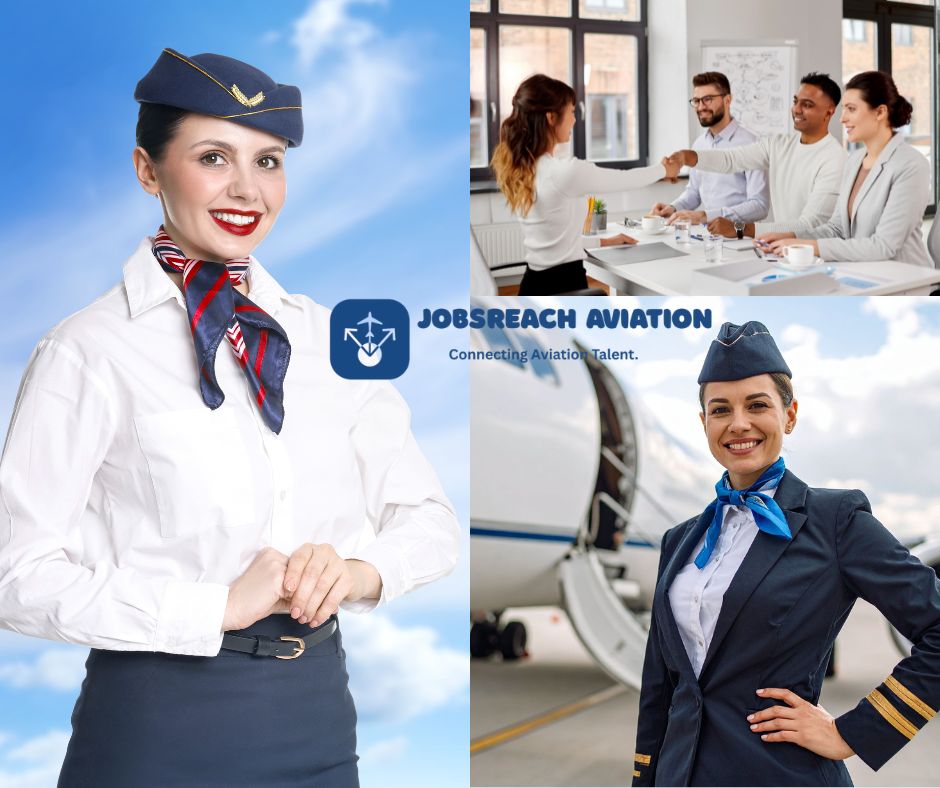
While in-person drives remain important for safety-critical evaluations, airlines can now combine them with digital platforms and AI tools to:
- Reduce costs
- Improve candidate quality
- Accelerate hiring timelines
- Support global talent sourcing
By partnering with JobsReach Aviation, airlines can maintain rigorous in-person assessments while reducing operational burden and creating a seamless, modern recruitment ecosystem.
Join the JobsReach Aviation Ecosystem
Airline recruitment is resource-intensive and costly, but it is essential for ensuring safety, service quality, and operational excellence. Partnering with JobsReach Aviation provides a smarter, cost-effective solution, combining direct applications, AI-assisted screening, and access to a global aviation talent ecosystem—while preserving the value of in-person assessments.
By partnering with JobsReach Aviation, airlines can reduce hiring costs, streamline recruitment, and maintain compliance, while actively supporting a larger mission: promoting specialized industries and enabling aviation professionals to access the right opportunities with ease.
Partner with JobsReach Aviation today to connect with qualified candidates, showcase your brand globally, and grow the aviation industry together.
If you want a complete roadmap to aviation careers in Europe for 2026 — covering pilots, ATC, and airport jobs, check out this article Europe Aviation Career
Industry Context & Cost Justification
While airlines do not publicly disclose detailed recruitment budget breakdowns, several industry data points show that recruitment and training in aviation involve significant expense.
Specialist job boards charge employers substantial fees for job listings and talent access, reflecting part of the recruitment cost structure (AirlineJobs Pricing). Platforms like JobAvion illustrate that success fees for aviation hires can be a meaningful percentage of salary, showing how agency-type costs are part of airline hiring expenses (JobAvion).
Research on pilot turnover confirms that turnover and recruiting costs represent major airline cost categories, reinforcing that high-quality hiring is resource-intensive (ERAU Study on Pilot Turnover). Additionally, pilot training and certification — a key part of onboarding new talent — often requires substantial financial investment (Aviation HR Statistics).
Aviation recruitment authorities also highlight the hidden costs associated with poor hiring decisions, including financial losses, compliance risk, and operational disruption (Goose Recruitment Insights).