Introduction
The escalation of hostilities between the United States, Israel, and Iran created one of the most disruptive periods for Middle Eastern aviation in recent years. Airspace closures across Iran, Iraq, Israel, Jordan, Qatar, and parts of the Gulf forced airlines to suspend flights, reroute aircraft, and absorb significant cost increases from longer flight paths and rising fuel prices. Airlines operating in the Gulf, including Etihad Airways, were particularly exposed because their business models rely heavily on connecting Europe, Asia, Africa, and North America through regional hubs. (Reuters)
Unlike many airlines that responded to the crisis by shrinking networks or cutting capacity, Etihad pursued a different strategy. According to CEO Antonoaldo Neves, the airline focused on restoring operations rapidly and maintaining network relevance rather than reducing flying as a cost-control measure. By June 2026, Etihad expected to exceed its pre-war capacity levels. (Reuters)
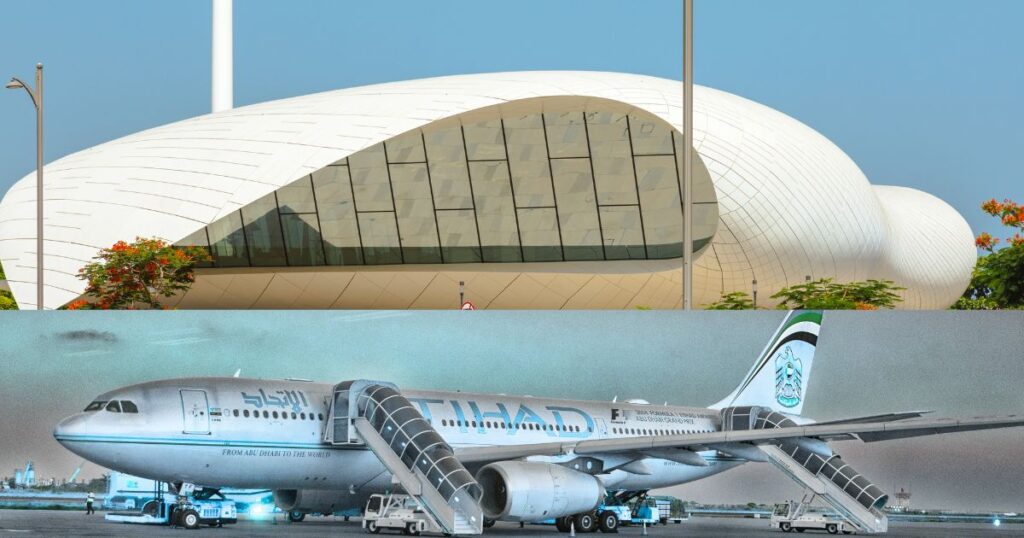
The Operational Challenges
The conflict affected Etihad in three major ways.
Airspace Closures and Route Disruptions
Following military strikes and retaliatory actions, multiple countries closed their airspace, disrupting major Europe-Asia and Gulf transit corridors. Airlines were forced to avoid Iranian, Iraqi, Israeli, and Jordanian airspace, resulting in widespread diversions and cancellations. Etihad confirmed that it rerouted flights during periods of heightened tension and operational restrictions. (Reuters)
For a hub carrier such as Etihad, these closures affected:
- Flight schedules
- Aircraft utilization
- Crew rotations
- Passenger connections through Abu Dhabi
Fuel Cost Inflation
The war triggered a sharp increase in oil and jet fuel prices. The International Air Transport Association (IATA) reported that industry fuel costs rose dramatically, becoming the largest expense category for airlines and leading to a substantial downgrade in global airline profit forecasts. (Reuters)
Demand Uncertainty
The conflict created concerns among travelers regarding transit through the Middle East. Business travel softened during the crisis, and airlines faced uncertainty about whether customers would continue connecting through Gulf hubs. (Financial Times)
How Etihad Responded
1. Rapid Restoration of Operations
Rather than maintaining prolonged service suspensions, Etihad restarted operations as soon as conditions allowed.
Reuters reported that after the temporary closure of regional airspace, Etihad resumed limited operations to assist stranded passengers and gradually rebuilt its schedule. The airline initially focused on key destinations such as London, Paris, Frankfurt, New York, Toronto, Delhi, Cairo, Moscow, and Zurich before progressively restoring broader network connectivity. (Reuters)
This phased recovery allowed the airline to:
- Reconnect critical markets quickly.
- Recover passenger confidence.
- Restore hub connectivity through Abu Dhabi.
2. Maintaining Capacity Instead of Cutting Flights
One of the most notable aspects of Etihad’s recovery strategy was its decision not to reduce flying as a cost-saving measure.
Speaking to Reuters, CEO Antonoaldo Neves stated:
“The biggest cost we have is an empty plane.”
He further explained that Etihad had no plans to cut flights to reduce costs. Instead, the airline focused on keeping aircraft full and maintaining network relevance. (Reuters)
This approach differed from some competitors that reduced capacity in response to rising fuel costs and operational uncertainty.
3. Leveraging Strong Transit Demand
Etihad’s recovery was supported by strong demand from multiple regions, particularly:
- United States
- India
- Southeast Asia
According to the Financial Times, transit demand through Abu Dhabi remained resilient despite the conflict. The airline reported load factors of approximately 84%, while operating around 90% of its pre-war capacity and targeting more than 100% of pre-war capacity by mid-June 2026. (Financial Times)
The ability to attract connecting passengers helped offset weakness in some corporate travel segments.
4. Preserving Pricing Discipline
A common airline response after a crisis is to discount fares aggressively to stimulate demand. Etihad chose not to follow this strategy.
The Financial Times reported that fares remained broadly at pre-war levels, and the airline did not resort to significant price reductions to attract passengers back. CEO Neves rejected the assumption that deep discounts would be required for recovery. (Financial Times)
This helped protect revenue while rebuilding passenger volumes.
5. Continuing Growth Investments
Despite the uncertainty, Etihad continued investing in future expansion.
Reuters reported that the airline is ordering additional widebody aircraft and expects to operate approximately 8% more flights than the previous year by mid-June 2026. Rather than postponing growth plans, Etihad used the recovery period to strengthen its long-term network position. (Reuters)
This decision reflects confidence in sustained demand and the strategic importance of Abu Dhabi as a global transit hub.
Results of the Recovery Strategy
The evidence suggests that Etihad’s recovery strategy produced measurable results:
| Metric | Outcome |
|---|---|
| Network restoration | Key international routes resumed within weeks of disruptions |
| Capacity recovery | Expected to exceed pre-war capacity by mid-June 2026 |
| Load factor | Approximately 84% |
| Pricing | Maintained near pre-war fare levels |
| Cost strategy | No major capacity reductions implemented |
| Growth investment | Continued fleet expansion with new widebody aircraft orders |
These indicators suggest that Etihad prioritized revenue generation, network continuity, and passenger retention rather than defensive cost-cutting. (Reuters)
Winning Strategy
The US–Israel–Iran conflict created significant challenges for Etihad Airways through airspace closures, route disruptions, fuel-price inflation, and uncertainty in passenger demand. However, the airline’s response was characterized by operational restoration rather than retrenchment.
Documented evidence shows that Etihad:
- Rapidly resumed key international services.
- Maintained network capacity instead of cutting flights.
- Relied on strong transit demand through Abu Dhabi.
- Preserved fare levels rather than discounting heavily.
- Continued investing in fleet growth despite geopolitical uncertainty.
By June 2026, Etihad expected to surpass its pre-war operating capacity, demonstrating that network restoration, load-factor management, and sustained investment were central to its recovery strategy rather than traditional cost-reduction measures. (Reuters)
How Industry-Specific Talent Networks Can Support Aviation Recovery
The recovery of airlines such as Etihad following geopolitical disruptions highlights a broader challenge facing the aviation sector: workforce readiness. When airlines restore routes, increase frequencies, and expand capacity, they often need to scale recruitment across pilots, cabin crew, aircraft maintenance engineers, operations specialists, airport staff, and other aviation professionals.
Traditional recruitment channels can generate large applicant volumes, but they often lack industry focus. Specialized aviation platforms are emerging to address this challenge by connecting employers directly with aviation professionals within a dedicated industry ecosystem.
One example is JobsReach Aviation, a platform designed specifically for aviation professionals, airlines, airports, aerospace organizations, training providers, and industry stakeholders. According to the platform, it enables aviation-focused networking, professional engagement, industry discussions, and access to aviation career opportunities. (jobsreach.net)
How JobsReach Aviation Can Help Airlines During Growth Periods
As airlines restore capacity and add new routes, hiring requirements can increase rapidly. JobsReach Aviation provides access to an aviation-focused community that includes professionals across areas such as:
- Flight operations
- Aircraft maintenance
- Avionics
- Airport operations
- Air traffic services
- Cabin crew
- Aerospace engineering
The platform states that employers can engage directly with aviation professionals, build visibility within the industry, and access targeted aviation talent networks. (jobsreach.net)
Benefits of Industry-Specific Platforms for Aviation Companies
According to JobsReach Aviation, its platform is focused exclusively on aviation professionals and organizations, helping companies connect with a targeted audience rather than a broad general-purpose professional network. (jobsreach.net)
Potential benefits for aviation employers include:
- Greater relevance of candidate pools.
- Stronger employer branding within the aviation community.
- Ongoing engagement with industry professionals.
- Access to networking and knowledge-sharing opportunities.
- Improved visibility among both active and passive job seekers. (jobsreach.net)
Final thoughts
Etihad’s post-conflict recovery demonstrates that restoring capacity is not only an operational challenge but also a workforce challenge. As airlines rebuild schedules, introduce new aircraft, and expand networks, access to qualified aviation professionals becomes increasingly important. Industry-focused ecosystems such as JobsReach Aviation can help airlines, airports, MROs, and aerospace companies engage with relevant talent communities, strengthen their employer presence, and support long-term workforce growth within the aviation sector. (jobsreach.net)
For a deeper dive into specific career trajectories, licensing pathways, and international recruitment trends, you can read the complete article on JobsReach Aviation Careers Guide