Tag: AviationIndustry

  • Aviation: Strengths and Shortages Across the Globe

    The aviation industry stands as one of the world’s most vital and interconnected sectors driving trade, tourism, innovation, and global connectivity. Yet, as demand is high, the industry faces severe bottlenecks: shortages of skilled professionals, aircraft parts, and sustainable fuel supply. Understanding both its strengths and weaknesses is essential to navigate aviation’s next decade.

    Global Aviation demand

    Global Strengths

    1. Strong Demand and Post-Pandemic Recovery

    After a historic downturn during COVID-19, air travel has rebounded sharply. According to the International Air Transport Association (IATA, 2025), global passenger traffic grew by 10.4% in 2024 compared to 2023, surpassing pre-pandemic levels in most markets. Load factors reached record highs averaging 83–84%, reflecting both strong demand and optimized capacity utilization (IATA, Air Passenger Market Analysis, Jan 2025).

    2. Economic Impact

    Aviation is more than a transport mode—it is an economic engine. The Air Transport Action Group (ATAG) estimates the industry supports 86.5 million jobs worldwide and contributes US$4.1 trillion in global economic activity, or nearly 3.9% of global GDP. While air transport carries less than 1% of the world’s freight volume, it represents around 33% of global trade value, underscoring its critical role in high-value supply chains (ATAG, Aviation Benefits Beyond Borders, 2024).

    3. Innovation and Sustainability Initiatives

    The aviation sector is investing heavily in Sustainable Aviation Fuel (SAF), operational efficiency, and next-generation aircraft. While SAF currently accounts for less than 0.5% of total fuel consumption, IATA projects it could contribute up to 65% of emissions reductions needed to achieve net-zero by 2050 (IATA Net Zero Roadmap, 2025). Airlines are also adopting more efficient aircraft and optimizing air traffic management to reduce fuel burn.

    4. Expanding Infrastructure and Connectivity

    Emerging markets—particularly in Asia-Pacific, the Middle East, and Latin America are leading global growth in seat capacity and airport infrastructure. According to Aviation Week (Q3 2025), these regions have invested billions in new terminals, smart airport systems, and expanded route networks to meet post-pandemic demand.

    Key Shortages and Global Challenges

    Despite its strengths, aviation faces acute shortages that could limit growth and resilience.

    1. Workforce Shortage: The Most Pressing Crisis

    The CAE Aviation Talent Forecast (2025) reports the industry will need 1.5 million new aviation professionals by 2034 including pilots, maintenance technicians, cabin crew, and air traffic controllers. Many regions are already facing gaps due to retirements, pandemic-related attrition, and limited training capacity.

    • Asia-Pacific leads in pilot demand due to rapid fleet expansion.
    • Europe faces air traffic control and maintenance technician shortages.
    • North America struggles with an aging workforce nearing retirement.

    To compound the issue, training bottlenecks such as simulator availability and regulatory licensing delays limit how quickly new professionals can enter the workforce.
    Aviation Importance

    JobsReach Aviation: Bridging the Global Talent Gap

    In response to these workforce challenges, JobsReach Aviation has emerged as a specialized digital platform dedicated to empowering aviation professionals both fresh graduates and experienced personnel.

    The platform connects aviation talent directly with employers across airlines, MROs, airports, and aerospace organizations, addressing the hiring bottleneck. By providing a centralized hub for recruitment, networking, and industry updates, JobsReach Aviation helps professionals:

    Through this focused ecosystem, JobsReach Aviation contributes to bridging the talent gap, enhancing workforce mobility, and making aviation careers more accessible, agile, and future-ready.

    2. Aircraft and Parts Supply Chain Constraints

    The global supply chain remains under pressure. IATA (Oct 2025) reported aircraft delivery delays and component shortages that forced airlines to keep older fleets operational longer—raising fuel and maintenance costs. The commercial aircraft backlog exceeded 17,000 units globally, the highest in history, due to manufacturing and logistical disruptions (IATA Technical Operations Supply Chain Report, 2025).

    3. Rising Operational Costs

    According to PwC’s 2025 Aviation Industry Review, airlines are contending with rising costs—fuel, leasing, maintenance, and labor—estimated to have added over US$11 billion in extra expenses globally in 2025 alone. Inflation and energy price volatility compound these pressures.

    4. Environmental and Regulatory Pressures

    As governments tighten emission targets, airlines face the challenge of balancing growth with sustainability. The Net Zero 2050 commitment by IATA demands rapid SAF scaling, fleet modernization, and investment in carbon offset mechanisms. Yet, limited global SAF production capacity remains a bottleneck, making regulatory and financial support essential.

    5. Infrastructure Bottlenecks

    Airport congestion and outdated air traffic control systems threaten efficiency in several regions. According to IATA’s Global Capacity Planning Report (2025), infrastructure investment is not keeping pace with demand growth, especially in developing regions, leading to slot constraints and flight delays.

    Regional Variations

    • Asia-Pacific: Rapid fleet growth, but major pilot and maintenance technician shortages.
    • Europe: Mature infrastructure but facing aging workforce and controller shortages.
    • North America: Training capacity exists, but high retirement rates persist.
    • Africa & Latin America: Limited investment and training facilities constrain growth potential despite rising demand.

    Broader Implications

    If unaddressed, these shortages will lead to:

    • Safety Risks – Reduced oversight due to understaffed regulators and inspectors.
    • Higher Airfares – Limited capacity and high costs push ticket prices up.
    • Operational Disruptions – Increased delays and cancellations due to maintenance and staff shortages.
    • Missed Climate Goals – Slower adoption of SAF and modern fleets jeopardizes sustainability targets.

    Pathways to Strengthening Aviation

    1. Invest in Workforce Development – Expand flight schools, technical training, and instructor programs. Platforms like JobsReach Aviation can accelerate this by connecting aviation professionals directly with employers.
    2. Rebuild Supply Chains – Diversify suppliers, streamline certification, and enhance parts logistics.
    3. Modernize Infrastructure – Upgrade airports and air traffic systems to reduce congestion.
    4. Accelerate Sustainability – Scale SAF production, incentivize green investment, and standardize emissions policies globally.
    5. Regulatory Collaboration – Align certification and licensing processes across countries to ease workforce movement.

    Outlook: The Flight Path Ahead

    Demand for air travel continues to rise driven by globalization, economic development, and tourism. But without solving talent and supply shortages, the industry’s growth will slow, costs will rise, and climate goals will be jeopardized.

    Still, the future can be bright: collaboration between governments, manufacturers, airlines, and platforms like JobsReach Aviation offers a path toward a more agile, sustainable, and inclusive aviation ecosystem one that connects people and economies without limits.

    References
    • International Air Transport Association (IATA). Air Passenger Market Analysis, Jan 2025.
    • IATA. Net Zero Roadmap, 2025.
    • IATA. Technical Operations Supply Chain Report, Oct 2025.
    • Air Transport Action Group (ATAG). Aviation Benefits Beyond Borders, 2024.
    • CAE. Aviation Talent Forecast, 2025–2034.
    • PwC. Aviation Industry Review & Outlook, 2025.
    • Aviation Week Network. Global Air Transport Outlook, Q3 2025.
  • ✈️ Challenges in Pilot Recruitment — and How Airlines Are Responding

    The aviation industry is regaining altitude after years of turbulence, but one critical challenge continues to weigh it down, a growing shortage of qualified pilots. Airlines, charter operators, and flight academies around the world are facing unprecedented recruitment and retention hurdles. Let’s explore the core challenges and how leading regions are responding.

    Pilot Shortage and Demand Surge

    The most pressing issue is a widening gap between supply and demand. As air travel rebounds, fleets expand, and new routes open, the demand for licensed pilots far outpaces the current training pipeline. Many senior pilots who retired early during COVID-19 have not returned, leaving airlines scrambling to fill cockpits.

    The Global Pilot Shortage: A Widespread Challenge

    The aviation industry is facing one of its most significant challenges in decades, a worldwide shortage of qualified pilots. As global air travel rebounds and fleet expansions continue, the demand for experienced flight crew has far outpaced the current supply.

    From North America and Europe to the Middle East and Asia-Pacific, airlines are competing for a limited pool of licensed professionals. Retirement of senior pilots, limited training capacity, and high entry costs for new candidates have deepened the crisis.

    This imbalance is forcing airlines to increase incentives, raise salaries, and expand training programs to secure and retain talent, all while battling the growing operational costs tied to recruitment, onboarding, and compliance.

    What was once a regional issue has now become a global aviation workforce challenge, reshaping how airlines approach recruitment and talent development in every part of the world.

    Pilots onboard
    Pilots onboard

    High Cost and Lengthy Training Pipeline

    One of the biggest barriers to entry remains the cost and duration of training. Becoming a commercial pilot often requires US$80,000–150,000 and years of training before reaching airline-ready status. This discourages younger candidates and limits diversity in the profession.

    To counter this, airlines are stepping in with sponsored cadet programs and training partnerships:

    • 🇪🇺 In Europe, carriers like Lufthansa, British Airways, and easyJet offer structured ab-initio and modular cadet programs to fast-track aspiring pilots into airline operations.
    • 🇸🇦 In the Middle East, airlines such as Emirates, Etihad, and Qatar Airways invest heavily in aviation academies, offering scholarships and in-house training tailored to their fleets.
    • 🇺🇸 In the United States, regional airlines including United Aviate, Delta Propel, and American Airlines Cadet Academy provide clear, funded pathways from flight school to cockpit, reducing financial pressure for new entrants.

    Experience, Regulations, and Retention

    Despite new technologies and modern hiring tools, the pilot recruitment process remains bound by strict regulatory standards. The FAA’s 1,500-hour rule in the U.S., for example, creates an extended training timeline before candidates qualify for airline roles. Europe’s EASA and the Middle East’s GCAA maintain similar high standards for safety and certification.

    At the same time, many experienced pilots are reaching retirement age, intensifying competition for talent. Airlines are responding with improved benefits, leadership opportunities, and lifestyle incentives to retain skilled professionals.

    Diversity, Inclusion, and Future Skills

    Women and minorities remain underrepresented, with women comprising less than 6% of pilots globally. Airlines and academies are beginning to promote outreach programs, mentorship networks, and sponsorships to diversify the talent pool.

    Additionally, as cockpits become more automated, pilots must combine technical expertise with leadership, communication, and decision-making skills, a blend that’s reshaping pilot assessment and training.

    How JobsReach Aviation Is Changing the Game

    To make recruitment more efficient and cost-effective, JobsReach Aviation is transforming how airlines connect with aviation talent.
    JobsReach Aviation provides a direct digital bridge between airlines and aviation professionals worldwide.
    The platform allows airlines to connect directly with qualified pilots, engineers, cabin crew, and ground staff, eliminating the need for costly intermediaries and recruitment events.

    By centralizing aviation hiring, JobsReach Aviation significantly reduces recruitment costs, speeds up hiring processes, and enables employers to access a verified pool of aviation talent, all in one platform built specifically for the industry.

    JobsReach Aviation is a industry specific platform for aviation
    JobsReach Aviation is a industry specific platform for aviation

    A Platform Built for Aviation — Not Just Another Job Site

    Unlike general career platforms such as LinkedIn, JobsReach Aviation is dedicated exclusively to the aviation industry.
    It lists top aviation institutes and partnered airlines actively hiring, helping candidates identify training programs, job openings, and professional development opportunities all in one place.

    For young aviation enthusiasts, it offers a clear path to pursue their dream careers.
    For experienced professionals, it delivers the latest aviation insights, opportunities, and career mobility to help them progress and switch roles with confidence.

    By focusing solely on aviation, JobsReach Aviation promotes growth, connectivity, and opportunity across the global aviation community.

    Competition and Retention Pressure

    As airlines compete for a limited pool of qualified pilots, salary packages, signing bonuses, and relocation incentives have skyrocketed. Smaller regional airlines and private charter operators struggle to match the compensation and lifestyle benefits offered by major carriers, leading to high turnover and recruitment churn.

    The Path Ahead

    The path to solving the pilot shortage requires collaboration, innovation, and smarter technology. Airlines, regulators, and training institutions must continue to expand access to funding, modernize training pathways, and promote aviation careers to the next generation.

    With the rise of digital platforms like JobsReach Aviation, the industry is finally equipped to reduce recruitment costs, reach a global talent pool, and ensure the next generation of aviators is ready to take flight.

  • Squawk Codes and Hijacking: How a Four-Digit Code Can Trigger Global Response

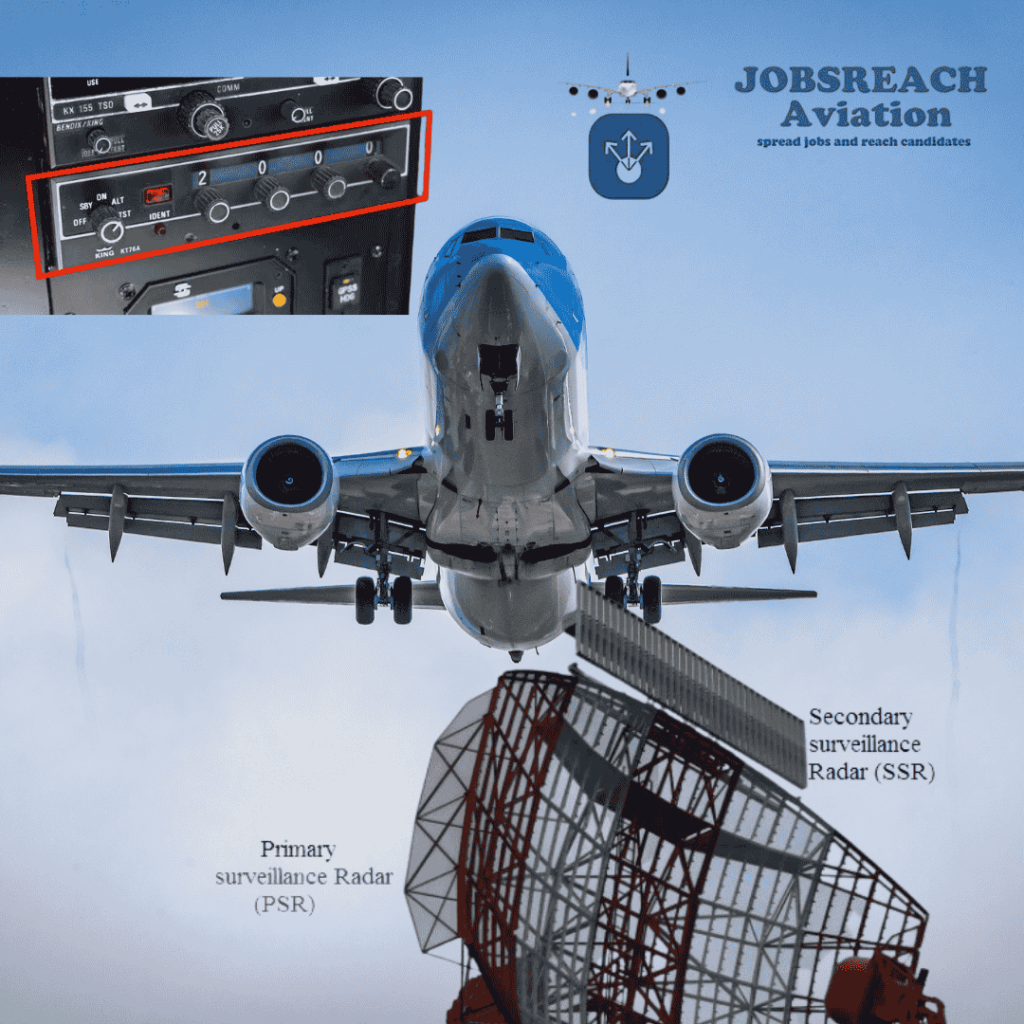
    JobsReach Aviation image illustrates how Squawk Codes are handled

    When you’re flying 35,000 feet above ground, every second counts and communication matters. In aviation, transponder squawk codes are one of the most crucial tools for silent communication between aircraft and air traffic control (ATC), especially in emergencies. Among these, one code holds particularly grave implications: 7500 the internationally recognized squawk for aircraft hijacking.

    This article unpacks how squawk codes work, what happens when 7500 is entered, and how pilots, controllers, and security forces respond to what could be a matter of life and death.

    ✈️What Are Squawk Codes?

    A squawk code is a four-digit number transmitted by an aircraft’s transponder to identify itself on radar and convey status information. These codes are assigned by ATC or set by pilots to signal specific situations. Three emergency codes are globally standardized:

    • 7700 – General emergency (engine failure, medical emergency, fire, etc.)
    • 7600 – Radio communication failure
    • 7500 – Unlawful interference or hijacking

    These codes can be changed manually by the flight crew using a cockpit transponder, allowing for rapid, discreet communication.

    🚨 Squawk 7500: The Silent Hijack Alert

    When a pilot dials in 7500, they’re not just updating a digital display, they’re triggering a full-scale emergency response. This code tells ATC that the aircraft is under unlawful interference (e.g., hijacking), and verbal communication may not be possible due to the threat onboard.

    What Happens Next?

    • ATC Response Protocol:
      • ATC will respond with a confirmation:
      • “(Callsign), confirm squawking seven five zero zero.”
    • No Response = Immediate Action:
      If the pilot does not respond or confirms under duress, ATC treats it as an active hijack.
    • Security & Military Scramble:
      National defence authorities, law enforcement, and emergency services are immediately notified. Fighter jets may be scrambled to intercept the aircraft.
    • Airspace Lockdown & Ground Prep:
      The destination airport is alerted, and security measures are heightened. Emergency response teams are mobilized on the ground.

    🧑‍✈️ Real-Life Cases: Hijack Alerts and Close Calls

    Korean Air Flight 085 (2001)

    During the chaos of 9/11, Korean Air Flight 085 mistakenly triggered squawk 7500. U.S. and Canadian military forces scrambled jets, and NORAD considered shooting the plane down. The aircraft ultimately landed safely in Canada after authorities confirmed it was a false alarm — but not before a full-scale alert had already been activated.

    Ethiopian Airlines Flight 702 (2014)

    A co-pilot diverted the aircraft to Geneva and reportedly locked the captain out of the cockpit. The flight squawked 7500 mid-air, prompting Swiss air defence to respond. The co-pilot later sought asylum, and no passengers were harmed.

    Real Hijack Incident: Ethiopian Airlines Flight 702 (2014)

    On February 17, 2014, co-pilot Hailemedhin Abera Tegegn hijacked Ethiopian Airlines Flight 702 from Addis Ababa to Rome by locking the captain out of the cockpit and squawking the hijack code 7500. Unusually, he deliberately used this code to alert authorities and safely divert the plane to Geneva, where he intended to seek asylum. Escorted by Italian and French fighter jets, the aircraft landed with minimal fuel, and the co-pilot surrendered peacefully. No one was harmed.

    Air India Flight AI2957 (2025)

    Shortly after take-off from Delhi, this domestic flight broadcast squawk 7500, prompting military notification and a high-security response in Mumbai. Investigation revealed it was accidental, but until that was confirmed, full hijack procedures remained in effect.

    Air Europa at Schiphol (2019)

    The pilot demoed squawk codes to a trainee and unintentionally set 7500, triggering a 4.5‑hour lockdown, passenger evacuation, and military police response

    🛡️ False Alarms: Why They’re Still Taken Seriously

    Mistakenly dialing 7500 is not unheard of — a slip of a finger or a confused crew can trigger the wrong code. However, false positives are treated just as seriously as real threats until proven otherwise.

    Why? Because the cost of ignoring a true hijack alert is potentially catastrophic.

    Pilots are trained to clarify errors immediately. A typical clarification might be:

    “Approach, N123AB, negative. Squawk 7500 entered in error. Returning to assigned code.”

    But until that clarification is confirmed, the assumption remains: the aircraft may be in danger.

    📋 ATC & Pilot Protocols in a 7500 Scenario

    ActionResponsibilityResponse
    Dial 7500PilotSilent hijack alert; minimal verbal communication
    Confirm squawkAir Traffic Control“(Callsign), confirm squawking seven five zero zero”
    No response or suspicious replyATCInitiate hijack protocol; notify defense/military
    Visual intercept (if needed)MilitaryFighter jets may escort or signal to land
    Ground coordinationAuthoritiesLaw enforcement prepare for hostage, negotiation, or tactical response

    Empowering Aviation Professionals Through a Global Platform

    JobsReach Aviation is a dedicated platform designed to support the growth and development of aviation professionals worldwide. It offers a space to share expertise, exchange insights, and foster career advancement within the aviation industry. Through this network, users can connect with peers across the globe, collaborate on professional opportunities, and contribute to each other’s learning journeys. The platform also delivers valuable content including videos, spotlight features, flash updates, and the latest industry trends ensuring aviation professionals stay informed and engaged with the evolving aviation landscape.

    Why 7500 Matters?

    The squawk code 7500 is more than just a number, it’s a lifeline for pilots under threat, and a critical signal for air traffic controllers to protect lives in the sky and on the ground. While its use is rare, every aviation professional is trained to respond to it without hesitation.

    Whether it’s a genuine hijacking or a mistaken code entry, one thing is certain: the world listens when 7500 is squawked.