Author: JobsReach

  • Google’s Strategy for Success: Innovation, Global Expansion, and Empowering the Workforce

    Google, a global leader in technology, has consistently driven innovation and shaped the digital landscape over the past few decades. From its humble beginnings as a search engine to its current position as a multi-faceted tech giant, Google’s strategic vision focuses on creating technology that makes the world more connected, efficient, and accessible. Today, Google’s strategy is driven by three core pillars: innovation, global expansion, and talent empowerment.

    Google's global Expansion: Reaching New Markets and Demands

    Similar to Google’s platforms, JobsReach is playing a crucial role in tackling talent shortages across key industries, empowering both individuals and businesses with innovative technological solutions.

    Innovation: Leading the Way with Cutting-Edge Technology

    Google has built its reputation on relentless innovation. Whether through products like Google Search, Android, Google Cloud, or AI-powered tools, Google constantly pushes the boundaries of what technology can do. Their AI-powered services, such as Google Assistant, Google Lens, and AI Overviews, reflect this commitment to making advanced technologies accessible to users globally.

    Google's innovation strategy

    In an era of continuous technological advancement, innovation goes beyond developing new ideas. it also involves addressing pressing challenges. One such challenge is the expanding talent gap in industries like aviation, healthcare, and technology, which hampers sector growth. This is where JobsReach steps in, offering solutions that empower businesses to find the talent they need, streamline recruitment processes, and address critical resource shortages in these key industries.

    Even Google has tried to address this challenge with its Google Cloud Talent Solutions, providing businesses with tools to build their own Applicant Tracking Systems (ATS). However, JobsReach goes a step further by not only offering an ATS solution but also focusing on directly solving the talent gap in key industries.

    Global Expansion: Reaching New Markets and Demands

    As Google expands its global footprint, it continues to adapt its offerings to meet the specific needs of diverse markets. Google’s services and products, including Google Cloud and Android, are available in nearly every country, catering to businesses, governments, and individual consumers.

    Google’s global expansion strategy is one of the cornerstones of its long-term success. By rolling out products and services in key markets across the world, Google ensures its technologies are accessible to everyone, regardless of geography. This expansion is not just about increasing market share, it’s also about adapting products to meet local demands and adhering to regulatory requirements.

    The expansion of Google’s services, such as AI Overviews, is aligned with its strategy to make cutting-edge technology accessible to global markets. However, in order to roll out AI-driven solutions in a way that complies with varying local regulations, Google carefully tailors its offerings to different regions. For example, while AI Overviews are available in countries like the United States, UK, India, Japan, Indonesia, Mexico, and Brazil, the European Union has its own regulatory framework (e.g., the AI Act) that influences the pace and scope of AI product launches.

    Google's gradual Rollout Strategy

    JobsReach Strategy: Revolutionizing Talent Acquisition Across Industries

    While Google is known for its technological innovations, one of its core strategies revolves around empowering individuals and businesses. JobsReach, an innovative recruitment platform, embodies this vision by focusing on solving the talent shortages in critical industries like aviation, healthcare, and technology.

    JobsReach’s strategy is tailored to meet the unique needs of each industry, providing opportunities for young talent to enter these fields and helping professionals find career advancement. While available globally, the platform adopts a phased approach to expansion, similar to Google’s strategy of scaling in stages.

    JobsReach stands out by targeting specific industries like Aviation, Healthcare, and Technology
    JobsReach stands out by targeting specific industries

    JobsReach Aviation: Focus on Europe, Then Expand to the U.S.

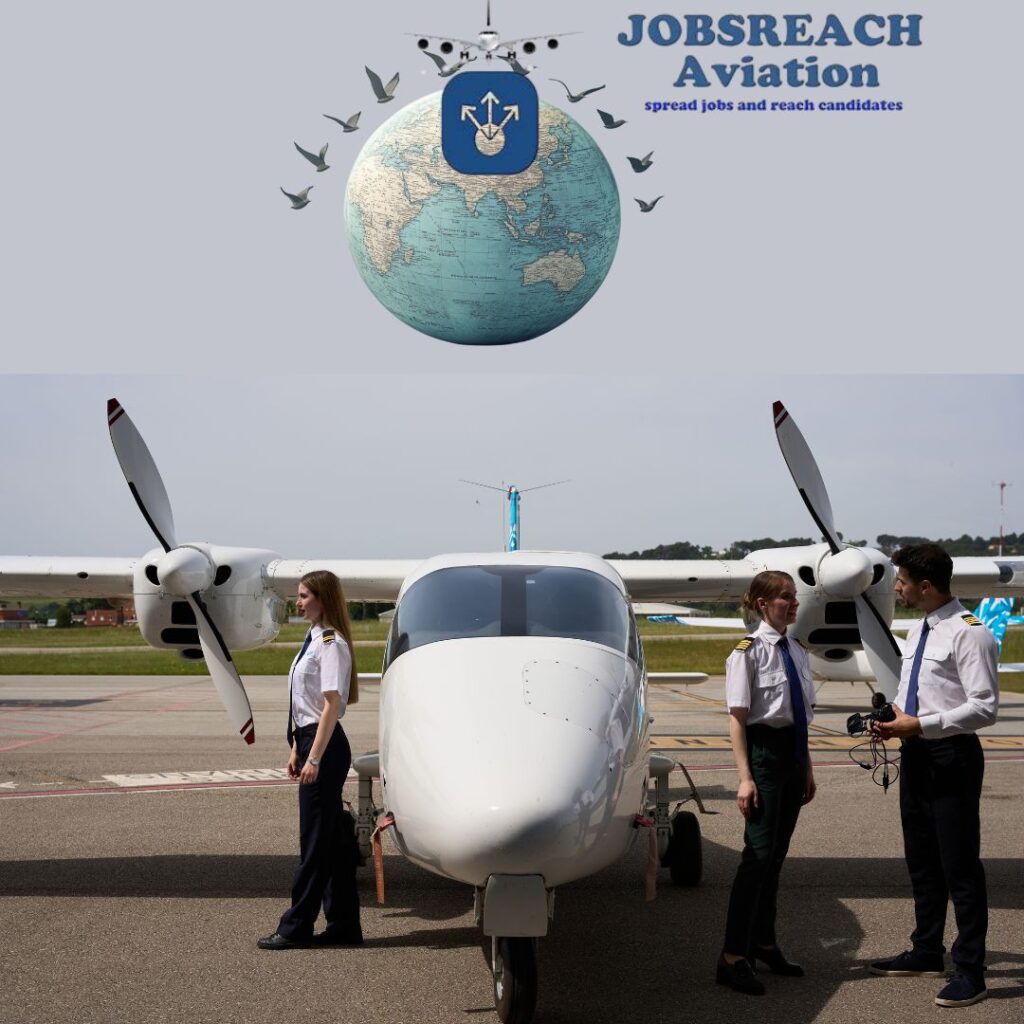
    The aviation industry faces a major talent shortage due to the increasing demand for skilled professionals in areas such as pilots, engineers, and airport staff. JobsReach Aviation is strategically focused on addressing this gap, beginning with the Netherlands and Europe.

    JobsReach collaborates with aviation companies in these regions to identify and recruit talent for roles ranging from entry-level positions to highly specialized expertise. Once a strong presence is established in Europe, JobsReach will expand its efforts to the U.S., which has a large and growing demand for aviation professionals. By focusing on regions with the most pressing needs, JobsReach ensures that it can make a meaningful impact on the aviation sector, helping businesses overcome staffing challenges.

    JobsReach Healthcare and Technology: Starting in the U.S., Expanding to Europe

    The healthcare and technology industries are facing similar challenges with talent shortages, especially in the U.S.. JobsReach Healthcare and Technology addresses these challenges by providing tailored recruitment solutions for businesses seeking to fill critical roles in these sectors.

    In healthcare, there is an increasing demand for doctors, nurses, and medical professionals, particularly as the population continues to age. In technology, sectors like software development, AI, and cybersecurity are growing at a rapid pace, creating a demand for skilled workers.

    JobsReach plans to begin its recruitment efforts in the U.S., where the need for healthcare and technology professionals is most urgent. Once the platform has made a significant impact in the U.S. market, it will then look to expand into Europe, where the demand for healthcare workers and tech talent is also on the rise.

    JobsReach’s Long-Term Vision

    The main goal of JobsReach is to create a global talent movement that addresses skill shortages in various industries while offering young professionals opportunities to grow and contribute to society. By focusing on key markets and expanding gradually, JobsReach tailors its solutions to meet the changing needs of each region. Over time, the platform aims to become a leading talent acquisition service.

    How JobsReach Aligns with Google’s Broader Strategy

    Just as Google has empowered businesses with innovative tools like AI and cloud computing, JobsReach is empowering industries with the talent they need to succeed. Both share a vision of using technology to drive growth, address global challenges, and create opportunities for individuals and businesses alike.

    JobsReach: Empowering Talent to Shape the Future
    JobsReach’s Long-Term Vision

    A Shared Vision for the Future

    Google’s strategy has always been about driving innovation, expanding its global reach, and empowering individuals and businesses. JobsReach embodies these same principles by using technology to bridge the talent gap in key industries like aviation, healthcare, and technology. With a phased expansion strategy targeting Europe and the U.S., JobsReach is positioning itself as a key player in the future of talent acquisition, ensuring that businesses have the resources they need to grow and succeed.

  • Top 10 MRO Companies in the World, Europe, and the Netherlands

    The aviation Maintenance, Repair, and Overhaul (MRO) industry plays a critical role in ensuring the safety, performance, and longevity of aircraft worldwide. From engine overhauls to airframe maintenance, MRO companies provide essential services that support the global airline industry. Below, we highlight the top MRO companies globally, in Europe, and in the Netherlands.

    A Boeing 777 undergoes a major overhaul at KLM’s hangar at Amsterdam Airport Schiphol in the Netherlands. Credit: KLM

    Top 10 MRO Companies in the World

    1. ST Engineering Aerospace
      • Headquarters: Singapore
      • ST Engineering Aerospace is one of the world’s largest MRO providers, offering airframe, component, and engine MRO services. It operates across Asia-Pacific, Europe, and the Americas.
    2. Lufthansa Technik
      • Headquarters: Germany
      • Lufthansa Technik is renowned for its comprehensive range of services, including airframe, engine, and cabin maintenance. It serves a global customer base, including airlines, leasing companies, and military clients.
    3. HAECO Group
      • Headquarters: Hong Kong
      • HAECO provides a broad spectrum of MRO services across its global network, specializing in airframe maintenance, structural modifications, and engine services.
    4. Air France Industries KLM Engineering & Maintenance
      • Headquarters: France/Netherlands
      • A joint venture between Air France and KLM, this company is a major player in the global MRO industry, offering maintenance solutions for airframes, engines, and components.
    5. Delta TechOps
      • Headquarters: United States
      • As the maintenance division of Delta Air Lines, Delta TechOps provides world-class MRO services to both Delta’s fleet and other airlines globally.
    6. AAR Corp
      • Headquarters: United States
      • AAR Corp is a major independent provider of MRO services, offering airframe, engine, and component repair, as well as supply chain management, to commercial airlines and government sectors.
    7. SIA Engineering Company
      • Headquarters: Singapore
      • Associated with Singapore Airlines, SIA Engineering offers comprehensive MRO services with a network spanning across Asia-Pacific.
    8. Turkish Technic
      • Headquarters: Turkey
      • Turkish Technic is a leading MRO provider in the Middle East, specializing in aircraft, engine, and component maintenance. It supports a wide range of international customers.
    9. Boeing Global Services
      • Headquarters: United States
      • Boeing Global Services, through its extensive network, offers a wide range of MRO solutions, from basic aircraft maintenance to advanced technology services for commercial and defence clients.
    10. GE Aviation
      • Headquarters: United States
      • GE Aviation, a subsidiary of General Electric, offers extensive MRO services for aircraft engines, supporting a wide range of commercial and military aircraft.

    Top 10 MRO Companies in Europe

    Illustration of European Union flag
    1. Lufthansa Technik
      • Headquarters: Germany
      • As Europe’s leading MRO provider, Lufthansa Technik offers a wide array of services, including engine overhaul, cabin maintenance, and aircraft modification.
    2. Air France Industries KLM Engineering & Maintenance
      • Headquarters: France/Netherlands
      • This joint venture is one of Europe’s largest MRO companies, offering comprehensive services for airframe, engine, and component support to airlines across the globe.
    3. ST Engineering Aerospace
      • Headquarters: Singapore (with European facilities)
      • Known for its comprehensive MRO solutions, ST Engineering Aerospace operates a significant presence in Europe, serving customers across the continent.
    4. Aero Maintenance Group (AMG)
      • Headquarters: France
      • Aero Maintenance Group specializes in aircraft maintenance services, including airframe repair and engine testing, primarily focused on the European market.
    5. MTU Aero Engines
      • Headquarters: Germany
      • MTU Aero Engines is a major player in the European MRO industry, providing engine repair and maintenance services for a variety of commercial and military aircraft.
    6. TAP Maintenance & Engineering
      • Headquarters: Portugal
      • TAP provides a range of maintenance services, including airframe and engine MRO for aircrafts operated by TAP Air Portugal and various international carriers.
    7. LHT (Lufthansa Technik) Italy
      • Headquarters: Italy
      • An extension of Lufthansa Technik, LHT Italy offers airframe and engine MRO services, focusing on the Southern European market.
    8. SR Technics
      • Headquarters: Switzerland
      • SR Technics is a leading European MRO provider, offering comprehensive services for aircraft and engine maintenance, component repair, and modifications.
    9. Ryanair Engineering
      • Headquarters: Ireland
      • Ryanair Engineering provides MRO services, primarily for Ryanair’s fleet of aircraft, but also offers third-party services, particularly in aircraft base maintenance.
    10. GKN Aerospace
      • Headquarters: United Kingdom
      • GKN Aerospace offers a wide range of services, including engine and aerostructure MRO, and has a strong presence in the European MRO market.

    Top 10 MRO Companies in the Netherlands

    MRO illustration
    1. KLM Engineering & Maintenance
      • Headquarters: Amsterdam, Netherlands
      • KLM’s MRO division offers comprehensive services, including airframe, engine, and component maintenance. It serves both KLM’s fleet and third-party clients globally.
    2. Fokker Services
      • Headquarters: Hoofddorp, Netherlands
      • Fokker Services specializes in the maintenance of regional aircraft, providing services such as airframe overhaul, cabin modification, and engine maintenance.
    3. Transavia Engineering
      • Headquarters: Netherlands
      • Part of Air France-KLM, Transavia’s MRO division handles the maintenance of its low-cost airline fleet and offers services to other carriers in the region.
    4. NLR (Netherlands Aerospace Centre)
      • Headquarters: Amsterdam, Netherlands
      • NLR offers a wide range of aerospace services, including aircraft performance optimization, and MRO solutions for the aviation industry, focusing on research and development.
    5. Satair
      • Headquarters: Amsterdam, Netherlands
      • A subsidiary of Airbus, Satair provides parts and supply chain management, along with MRO services for aerospace components and avionics.
    6. Fokker Techniek
      • Headquarters: Hoofddorp, Netherlands
      • Fokker Techniek, a subsidiary of GKN Aerospace, provides MRO services to the general aviation, commercial, and military sectors, including complex maintenance and upgrades.
    7. Jet Support
      • Headquarters: Netherlands
      • Jet Support provides a range of aviation services, including MRO support for private jets and smaller aircraft, specializing in avionics and systems.
    8. SAMCO
      • Headquarters: Netherlands
      • SAMCO Aircraft Maintenance is a leading independent provider of MRO services, specializing in maintenance, repair, and overhaul solutions for regional jets and turboprop aircraft, catering to airlines and operators worldwide.
    9. Regional Jet Center
      • Headquarters: Netherlands
      • RJC is known for its specialized aircraft and component MRO services, providing tailored solutions for aviation operators throughout Europe.
    10. Nayak Aircraft Services
      • Headquarters: Amsterdam, Netherlands
      • Nayak offers comprehensive maintenance services, specializing in aircraft inspection, repairs, and modifications, serving both regional and international airlines.

    How JobsReach Aviation Can Help MRO Companies Hire Global Talent

    As the MRO industry continues to evolve, the need for skilled professionals and talented resources is growing. JobsReach Aviation offers a powerful solution for MRO companies to access a global talent pool and streamline their recruitment process.

    • Global Talent Pool: JobsReach Aviation enables MRO companies to access a diverse, global talent pool, ensuring they can find the right professionals from anywhere in the world.
    • Streamlined Recruitment: The platform offers an efficient recruitment process, allowing MROs to quickly post jobs, review resumes, and conduct interviews.
    • Targeted Talent: JobsReach Aviation connects MROs with both experienced professionals and aspiring aviation students, ensuring the right fit for each role.
    • Faster Hiring: By simplifying recruitment, JobsReach Aviation helps MRO companies fill positions quickly, preventing delays and maintaining smooth operations.

    Recent Advancements in MRO (Maintenance, Repair, and Overhaul)

    Robots assembling the forward and aft sections of the 777 fuselage

    Globally, MRO companies are integrating new technologies to stay competitive and meet industry demands.

    • AI and Predictive Maintenance
      • Companies like Lufthansa Technik, GE Aviation, and Rolls-Royce are utilizing AI and data analytics to predict when components will fail, enabling proactive maintenance and reducing unscheduled downtimes.
    • Sustainability Initiatives
      • Many MRO providers, such as ST Engineering Aerospace and Air France KLM Engineering & Maintenance, are focusing on green technologies, including eco-friendly jet engine cleaning and the use of sustainable materials, to minimize their environmental footprint.
    • 3D Printing and Additive Manufacturing
      • MRO companies, including GE Aviation and AAR Corp, are adopting 3D printing to manufacture parts on-demand, improving turnaround times, reducing part shortages, and cutting costs.
    • Digital Twin Technology
      • Boeing and Rolls-Royce are implementing digital twin technology, creating virtual replicas of aircraft for real-time monitoring, which helps optimize maintenance schedules and extend the lifespan of components.
    Digital Twins in Aircraft Maintenance
    • Robotics and Automation
      • The use of robotics in MRO services, particularly for tasks like inspection and cleaning, is increasing. GE Aviation and AAR Corp are using automated systems to enhance efficiency, speed, and precision in maintenance processes.
    • Blockchain for Parts Tracking
      • Companies like Honeywell Aerospace and Rolls-Royce are using blockchain technology to ensure the authenticity and traceability of parts, enhancing safety and compliance.
    • Electric and Hybrid Aircraft MRO
      • With the rise of electric and hybrid aircraft, MRO companies such as ST Engineering Aerospace are preparing for the maintenance needs of these new technologies, focusing on electrical systems and hybrid powertrains.

    The aviation MRO industry is undergoing significant transformation driven by technological advancements. From AI and robotics to sustainable practices and blockchain, the future of MRO is leaning heavily toward innovation. These advancements not only improve efficiency and cost-effectiveness but also help the industry meet the growing demands of safety, sustainability, and regulatory compliance. Both Europe and the rest of the world are embracing these changes, ensuring that MRO remains a crucial pillar in the aviation sector’s continued growth.

    In a fast-moving industry like aviation, JobsReach Aviation plays a critical role in helping MRO companies attract, hire, and retain the skilled professionals needed to meet the demands of modern aviation. Through its global network and innovative recruitment methods, JobsReach Aviation supports MROs in maintaining smooth operations and staying ahead of industry advancements.

  • Search Wars – The Fight for Control, Revenue, and Innovation

    Google reportedly paid Apple around $20 billion in 2022 to secure its position as the default search engine on Apple devices, emphasizing the high stakes in the search engine market. Similarly, Microsoft has made significant investments in Bing, with CEO Satya Nadella revealing that the company has spent approximately $100 billion to enhance its capabilities and compete with established players like Google.

    OpenAI has entered the race with SearchGPT, an AI-powered search engine integrated into ChatGPT, marking a strategic effort to challenge traditional search paradigms and offer an innovative alternative to dominant platforms. Meanwhile, nations like China and Russia have prioritized the development of their own search engines such as Baidu and Yandex to serve domestic needs and reduce reliance on foreign technology.

    The competition in the search engine space stems from its vast economic potential, control over information, technological innovation, and strategic importance, making it a critical arena for both companies and countries.

    What drives companies and nations to compete for dominance in the search engine industry?

    Revenue Potential

    Search engines generate massive revenues through advertising. Google’s business model, for instance, heavily relies on search-based advertising, contributing the bulk of its $280 billion annual revenue (as of 2022). Competitors like Microsoft and OpenAI see search as a lucrative opportunity to capture advertising market share.

    Control Over Information

    Search engines serve as gateways to information. Dominating this space provides significant control over the dissemination of knowledge, public opinion, and trends. Governments like China and Russia prioritize developing domestic search engines to safeguard their sovereignty and control the narrative in their regions.

    Technological Leadership

    Search is a frontier for cutting-edge AI and machine learning technologies. Companies like OpenAI aim to innovate with AI-powered search to challenge the traditional keyword-based approach and revolutionize how people find information.

    Data Collection

    Search engines are invaluable sources of data on user behavior, preferences, and needs. Access to such data enables companies to refine their algorithms, improve their services, and develop more effective advertising models.

    Strategic Positioning

    Having a strong presence in search engines aligns companies as central players in the digital economy. Microsoft’s investment in Bing is a strategic move to increase its competitiveness against Google and to integrate AI features into its products, creating an ecosystem advantage.

    Localization and Independence

    Countries like China and Russia have developed search engines like Baidu and Yandex to localize content and reduce reliance on foreign technology. This approach aligns with their broader goals of digital sovereignty and national security.

    Expanding Ecosystems

    Companies are embedding search into broader ecosystems. Google integrates search with Android and Chrome, Apple leverages it in iOS and macOS, and Microsoft combines Bing with its enterprise products and AI advancements. These integrations create a seamless user experience, driving customer loyalty.

    LinkedIn and Job Boards – Dominating the Professional Landscape and Generating Revenue

    LinkedIn has become a key player in the professional network space, combining social networking with career development. It generates revenue through talent solutions, advertising, and premium subscriptions. In 2023, LinkedIn’s revenue surpassed $15 billion.

    Job boards like Indeed and ZipRecruiter are also dominating the market, offering platforms for employers to post job listings and attracting candidates. These platforms earn revenue through job postings and ads, with Indeed adopting a pay-per-application model.

    How LinkedIn and Job Boards Like Indeed Drive Revenue in the Digital Job Market
    Dominating the Professional Landscape

    This dual dominance of LinkedIn and specialized job boards in the professional database space has transformed the industry into a lucrative revenue generator, driven by premium subscriptions, advertising, and corporate partnerships.

    JobsReach – Revolutionizing Job Search by Focusing on Industry-Specific Opportunities

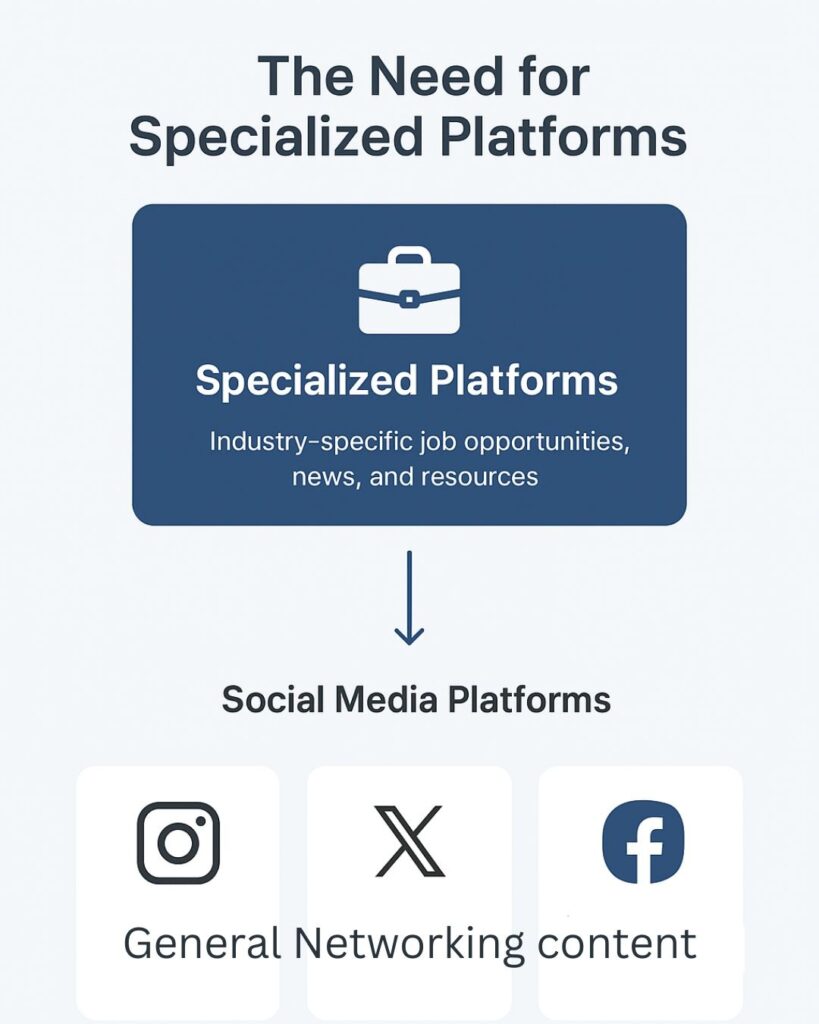
    While LinkedIn and job boards like Indeed dominate the professional networking space, they often rely on vast resource databases and email alerts, which can lead to irrelevant or incomplete job opportunities. JobsReach differentiates itself by focusing on specific industries like Aviation, Healthcare, and Technology, creating dedicated platforms that cater to the unique needs of professionals in these sectors.

    JobsReach stands out by targeting specific industries like Aviation, Healthcare, and Technology

    JobsReach understands the nuances of these industries and offers a space where professionals can stay updated on industry trends and job opportunities. Unlike the broad approach of other platforms, JobsReach promotes relevant job openings to a targeted audience through major social media channels, ensuring that both active and passive job seekers are informed as soon as opportunities arise.

    This approach eliminates the frustration of irrelevant job searches and offers a stress-free way for professionals to discover career opportunities. By directly connecting employers with the right candidates in a focused environment, JobsReach helps save recruitment costs and simplifies the hiring process. This creates a win-win for both job seekers and employers, offering a more efficient, industry-specific platform for career growth.

    Competition in Search Engines and Job Search Platforms

    The competition in both the search engine and job search markets is intense, driven by the need for revenue, innovation, and control over information. Search giants like Google dominate with vast resource databases, while newer players like OpenAI introduce AI-driven alternatives. Similarly, job boards like LinkedIn and Indeed focus on broad audiences but often fall short in delivering relevant opportunities.

    JobsReach stands out by targeting specific industries like Aviation, Healthcare, and Technology, providing professionals with timely, relevant job listings. By offering a more focused and efficient job search experience, JobsReach is reshaping the industry, proving that in both sectors, success lies in offering value and relevance to users.

  • Top Social Media Earners and JobsReach’s Strategy to Transform Recruitment

    In the digital age, social media platforms have become powerful tools for individuals and organizations to amplify their reach, engage with target audiences, and generate substantial revenue. Celebrities and influencers have mastered this art, earning millions by leveraging their massive online followings. Platforms like JobsReach are observing these trends and incorporating similar strategies to revolutionize industries like recruitment, particularly in aviation, healthcare, and technology.

    People are engaged and active on social media due to its dynamic, interactive, and personalized content
    People are engaged and active on social media

    The Social Media Earnings Powerhouse

    Social media platforms such as Instagram, YouTube, and TikTok have transformed celebrities into lucrative brands. Here are some top earners from these platforms in 2024

    Cristiano Ronaldo

    • Platform: Instagram
    • Earnings: $47.8 million annually
    • Why Successful?: With over 600 million followers, Ronaldo’s posts combine aspirational lifestyle content with endorsements from global brands like Nike and Clear.

    2. Lionel Messi

    • Platform: Instagram
    • Earnings: $500,000 per post
    • Why Successful?: Messi’s collaborations with Apple TV, Budweiser, and Adidas highlight his global appeal beyond the soccer field.

    3. MrBeast (Jimmy Donaldson)

    • Platform: YouTube
    • Earnings: $85 million annually
    • Why Successful?: MrBeast’s high-impact videos and philanthropic projects drive massive engagement, complemented by product lines like Feastables.

    4. Kylie Jenner

    • Platform: Instagram
    • Earnings: $16.8 million annually
    • Why Successful?: With 399 million followers, Kylie’s beauty empire thrives on social media marketing that blends personal insights and business promotions.

    5. Kevin Hart

    • Platform: Instagram
    • Earnings: $28.1 million annually
    • Why Successful?: Hart leverages his comedy brand while promoting personal ventures like Gran Coramino tequila and VitaHustle.

    These celebrities demonstrate how authenticity, strategic partnerships, and content tailored to their audience can translate into immense financial success on social media platforms.

    JobsReach: Adapting Social Media Strategies for Recruitment

    JobsReach is dominating Social Media channels to spread job opportunities
    JobsReach is leading the way on social media, connecting people with job opportunities

    While celebrities monetize their online presence to promote products and build their brands, platforms like JobsReach are adopting similar strategies to disrupt the recruitment industry. Their focus is on industries like aviation, healthcare, and technology, where demand for skilled talent is ever-growing.

    1. Leveraging Platforms to Engage Talent

    JobsReach recognizes that job seekers and professionals spend significant time on platforms like Instagram, Pinterest, Twitter, and even TikTok. By sharing targeted and engaging content, they meet potential candidates where they are most active. Social media is no longer just for connecting with friends or promoting products, it’s a powerful tool for transforming industries.

    While platforms like LinkedIn boast massive professional databases, they often lack active engagement from users. This shift has allowed platforms like Instagram, YouTube, and TikTok to capture greater attention, thanks to their dynamic and interactive environments.

    • Aviation: JobsReach posts visually captivating content showcasing advanced work environments, cutting-edge technology, and global travel opportunities to appeal to tech-savvy, adventurous candidates.
    • Healthcare: Heart-warming testimonials and real-life stories of healthcare professionals demonstrate the meaningful impact of these careers.
    • Technology: Highlighting innovation and growth opportunities, JobsReach’s campaigns attract coders, engineers, and IT specialists.

    2. Showcasing Employer Brands

    Similar to how influencers highlight their personal brands, JobsReach uses social media to showcase the unique cultures and benefits of partnering organizations. Potential hires gain insights into workplaces before applying, improving alignment and interest.

    3. Personalization through Data

    Much like social media celebrities use analytics to tailor their content, JobsReach leverages advanced algorithms to craft campaigns targeting the right talent. For example, a developer might see a tech-focused opportunity that matches their skill set, while a nurse might be exposed to a healthcare role in a nearby hospital.

    4. Creating Compelling Video Content

    The rise of video content on platforms like YouTube and TikTok has not gone unnoticed. JobsReach produces short, impactful videos showcasing job opportunities, employer testimonials, and day-in-the-life features that resonate with job seekers.

    5. Engaging Passive Talent

    Many professionals are not actively searching for jobs but are open to compelling opportunities. JobsReach’s strategy of delivering creative and engaging content ensures that even passive talent is drawn into the recruitment pipeline.

    Why Social Media?

    Social media is no longer just for connecting with friends or promoting products, it’s a powerful tool for transforming industries. The success of celebrities like Cristiano Ronaldo, Kylie Jenner, and Mr Beast demonstrates the immense potential of these platforms. Platforms like JobsReach are taking inspiration from these trends, adapting them to create a new era in recruitment. By harnessing the power of social media, JobsReach is connecting skilled professionals with meaningful opportunities in aviation, healthcare, and technology, shaping the future of work.

    JobsReach is Revolutionizing Recruitment with AI

    JobsReach is revolutionizing recruitment by leveraging AI to solve employer’s challenges and reduce dependency on sourcing agencies. By automating job postings with industry-standard recommendations, integrating pre-application filtering through customized screening questions, and evaluating candidate’s skills against job requirements, JobsReach ensures precise and efficient hiring. This approach enables businesses to hire on demand, reduce planning time, and fulfil vacancies without delays. With its AI-driven processes, JobsReach simplifies recruitment like never before, empowering employers to save time, cut costs, and maintain direct control over talent acquisition.

  • How JobsReach is Revolutionizing Recruitment with AI

    JobsReach is transforming the recruitment industry by leveraging advanced AI technology to address long-standing challenges faced by employers. Traditionally, businesses relied heavily on sourcing agencies to find talent, often leading to high costs, longer timelines, and dependency on third parties. JobsReach eliminates these inefficiencies through innovative AI-driven solutions, offering unmatched speed, precision, and scalability.

    JobsReach empowers employers to take control of their hiring process by streamlining recruitment
    JobsReach empowers employers to take control of their hiring process

    1. Automated Job Requirements with Industry-Standard Recommendations

    JobsReach simplifies the process of creating job postings by using AI to analyze job descriptions and provide tailored recommendations. This ensures that job listings align with industry standards, attract the right candidates, and set clear expectations. By automating this step, employers can save time and focus on critical aspects of recruitment.

    2. AI-Driven Candidate Filtering and Screening

    Before candidates even apply, JobsReach integrates intelligent screening mechanisms that assess potential hires through customized questions. This pre-application filtering ensures that only qualified candidates move forward in the recruitment process, reducing the volume of irrelevant applications.

    3. Skill Evaluation Against Job Requirements

    After candidates apply, AI tools evaluate their skills and qualifications against the job’s specific requirements. This automated matching ensures that shortlisted candidates meet the employer’s expectations, streamlining decision-making and minimizing biases.

    4. On-Demand Hiring Without Long Planning Cycles

    AI-powered automation enables employers to hire resources quickly without extensive planning or delays. This is particularly beneficial for industries like aviation, healthcare, and technology, where immediate hiring needs often arise.

    5. Reduced Dependency on Sourcing Agencies

    By providing an end-to-end solution that handles job postings, candidate filtering, and skills evaluation, JobsReach reduces the reliance on traditional sourcing agencies. Employers gain direct control over their hiring processes while enjoying cost savings and greater efficiency.

    The Impact

    JobsReach’s use of AI has redefined the recruitment industry by offering a streamlined, efficient, and on-demand hiring experience. Employers can now fulfil vacancies faster, reduce time-to-hire, and achieve better talent alignment, ensuring business continuity without the bottlenecks of traditional methods.

    By addressing these challenges, JobsReach empowers businesses to stay competitive in today’s fast-paced job market while offering candidates a more transparent and efficient application process.

  • Airlines Operating Costs Maintenance, Challenges, and Areas for Improvement

    Airlines face significant operating costs, and one of the largest contributors to these expenses is aircraft maintenance. Maintaining a fleet of aircraft is not only necessary for safety and regulatory compliance but also plays a key role in ensuring operational efficiency and minimizing unscheduled downtimes. These maintenance activities, however, come with varying costs and complexities, and the industry is constantly seeking ways to optimize these expenses without compromising safety or reliability.

    The future of aviation maintenance leverages advanced technologies, automation, and optimized resource management
    The future of aviation maintenance

    Types of Maintenance and Associated Costs

    Line Maintenance

    • Frequency: Daily or after a certain number of flight hours (every 100–200 hours).
    • Tasks: Line maintenance includes basic inspections such as checking oil levels, tires, brakes, emergency systems, and replacing filters. It is usually carried out at airports or during brief layovers.
    • Cost: Line maintenance is relatively low-cost compared to other checks, typically ranging from a few hundred to a few thousand dollars per aircraft

    A-Checks

    • Frequency: Typically every 400–600 flight hours or 4–6 months.
    • Tasks: A-checks are more comprehensive and involve detailed inspections of various components, such as avionics, engines, and fuselage. These checks require the aircraft to be out of service for several hours or even overnight.
    • Cost: These checks can range from $10,000 to $50,000 depending on the aircraft model and airline​

    C-Checks

    • Frequency: Every 12–24 months or 1,200–1,800 flight hours.
    • Tasks: C-checks are major inspections that involve detailed checks of systems, structures, and components, including the cabin and aircraft interiors. This process often takes several days and may require specialized facilities and a significant number of labour hours.
    • Cost: C-checks are much more expensive, typically costing anywhere from $100,000 to $500,000 per check.

    D-Checks

    • Frequency: Every 6–12 years, depending on the aircraft type and usage.
    • Tasks: D-checks are the most thorough and involve stripping down much of the aircraft for detailed inspections and repairs. It includes engine overhauls, major structural inspections, and complete overhauls of many systems.
    • Cost: D-checks are the most expensive, with costs ranging from $1 million to $3 million per check.

    Airlines’ Maintenance Responsibilities

    Airlines are responsible for ensuring their fleets are airworthy and meet regulatory standards. In addition to routine checks, airlines must comply with safety regulations set by authorities such as the Federal Aviation Administration (FAA) and European Union Aviation Safety Agency (EASA). These regulations mandate regular inspections and the use of certified maintenance providers.

    In-house vs Outsourced Maintenance

    Larger carriers often have in-house maintenance teams for line maintenance and A-checks, as they can handle smaller, more frequent tasks at airports where their aircraft are based. However, for more complex checks like C- and D-checks, airlines often partner with MRO providers (Maintenance, Repair, and Overhaul).

    Fuel Efficiency and Engine Maintenance

    Beyond inspections, airlines also invest in programs aimed at improving fuel efficiency and reducing wear on engines.

    Challenges in Aircraft Maintenance

    • High Costs: Maintenance is one of the largest operating costs for airlines, with estimates suggesting that global MRO spending will exceed $100 billion in 2024.
    • Downtime: Aircraft out of service for maintenance cannot generate revenue. The need to minimize aircraft downtime between checks, especially for C- and D-checks, is critical for airlines.
    • Regulatory Compliance: Airlines must adhere to increasingly stringent environmental and safety regulations, which can increase maintenance costs. For instance, meeting newer emissions standards for engines requires upgrades or overhauls, which can be costly.

    What Needs Improvement?

    • Efficiency in Maintenance Operations
      • Airlines could further reduce costs by streamlining maintenance procedures. Implementing predictive maintenance technologies that rely on real-time data can help airlines identify issues before they become costly problems. These technologies reduce the need for regular inspections and allow airlines to plan maintenance during off-peak times.
    • Sustainability
      • As environmental concerns grow, airlines are investing in more fuel-efficient aircraft and exploring electric or hybrid-powered GSE (Ground Support Equipment) to reduce carbon footprints. Maintenance of these eco-friendly aircraft requires specialized training and equipment, which could drive up costs initially, but long-term sustainability efforts may lead to cost savings​
    • Collaboration with MRO Providers
      • To reduce the impact of costly D-checks and C-checks, airlines can further improve collaborations with MRO providers. By negotiating better deals and extending maintenance contracts, airlines can achieve more predictable costs and better schedule management for longer maintenance events.
    • Staff Training
      • Given the high level of expertise required for complex maintenance tasks, investing in continuous training for maintenance staff is crucial. This reduces the risk of errors during inspections and improves the efficiency of maintenance operations.

    Outsourcing Trends

    Some airlines, particularly smaller or budget carriers, outsource their maintenance checks to providers like Lufthansa Technik, ST Engineering, and Air France Industries KLM Engineering & Maintenance. These companies specialize in C-checks and D-checks, which require advanced facilities and expertise.

    Impact of Maintenance Issues on Airline Operations and Flight Disruptions in 2024

    In 2024, numerous airlines faced significant flight cancellations and delays due to maintenance and operational challenges.

    Frontier Airlines reported that around 5% of its flights were cancelled, largely driven by staffing shortages and maintenance delays, particularly during peak travel periods.

    JetBlue Airways experienced a 3% increase in cancellations, citing operational hurdles, including maintenance-related issues.

    Spirit Airlines and Alaska Airlines also encountered delays tied to maintenance challenges, underlining the critical need for effective maintenance management to minimize flight disruptions.

    Addressing Employee Shortages and Maintenance Challenges in the Aviation Industry

    During times of crisis, the ability to quickly hire skilled resources becomes critical to maintaining operations without disruption. JobsReach Aviation plays a pivotal role in this process by connecting aviation professionals from around the world to a single platform. By offering a global network, JobsReach Aviation helps airlines fill staffing gaps efficiently, especially during peak times or when facing resource shortages. The platform not only provides access to a broad talent pool but also balances the demand for aviation professionals with the supply of skilled workers. This helps airlines like Spirit Airlines, Alaska Airlines, and others address staffing and maintenance challenges proactively, ensuring smoother operations and minimized disruptions​.

    Through the strategic use of JobsReach, airlines can mitigate the impact of employee shortages and maintenance-related delays by quickly sourcing qualified personnel. This ability to streamline hiring processes and ensure resource availability is crucial for airlines aiming to reduce cancellations and maintain a high level of operational efficiency, even during challenging periods.

    Future of Aviation Maintenance: Efficient Resource Management and Advanced Technologies

    Maintaining an airline fleet is a challenging and expensive task. Routine inspections, major overhauls, and compliance with regulations drive operating costs, making it essential for airlines to optimize maintenance schedules and expenses. To do this, airlines are increasingly turning to predictive technologies and automating manual tasks. These tools help airlines anticipate maintenance needs, reduce unexpected breakdowns, and avoid costly repairs.

    Efficient resource management is also key to minimizing disruptions. JobsReach Aviation helps airlines by connecting them with aviation professionals from around the world, enabling quick staffing solutions, especially during peak times or staffing shortages. This support ensures smooth operations and helps keep fleets running efficiently.

    By collaborating with MRO providers and streamlining operations, airlines can further reduce maintenance costs, improve efficiency, and ensure better fleet reliability. As the aviation industry continues to grow, focusing on these areas will be crucial to creating a sustainable and cost-effective future for airlines.

  • Competition Between Boeing and Airbus: How New Entrants Could Reshape the Industry and Economy

    The world hosts a wide variety of aircraft manufacturers, ranging from large multinational companies to smaller regional or specialized producers. These manufacturers can be categorized based on the type of aircraft they produce, such as commercial airliners, military aircraft, general aviation, and unmanned aerial vehicles (UAVs). Entering the commercial aircraft manufacturing industry is extremely complex and presents significant challenges. The complexity arises from high technical, financial, regulatory, and competitive barriers.

    The commercial aircraft manufacturing industry is a battleground dominated by two giants: Boeing and Airbus. Together, they control approximately 90-95% of the global market for large commercial jets. Their intense rivalry has shaped the industry’s evolution, driving technological innovation, pricing strategies, and global market dynamics. However, the emergence of new players has the potential to disrupt this duopoly, reshaping competition and transforming the global economy.

    The Boeing-Airbus Duopoly

    Boeing and Airbus have been locked in competition for decades, vying for dominance across major market segments. Their rivalry has resulted in:

    • Technological Advancements: Both companies continually innovate, with Boeing’s 787 Dreamliner and Airbus’s A350 leading advancements in fuel efficiency and passenger comfort.
    • Pricing Wars: To secure lucrative orders from airlines, both companies engage in aggressive pricing, sometimes offering discounts that strain profit margins.
    • Global Reach: With extensive manufacturing networks and partnerships worldwide, they dominate markets from North America to Asia.

    Despite these achievements, their dominance creates barriers for smaller players, stifling competition and limiting the diversity of market offerings.

    Challenges for New Entrants

    Breaking into the commercial aircraft market is daunting. The barriers include:

    Financial Barriers

    • High Development Costs: Developing a new commercial aircraft can cost $5–20 billion or more, depending on size and complexity. For example, the Boeing 787 program cost over $32 billion.
    • Long Payback Periods: Returns on investment may take decades, as aircraft programs require years of development followed by gradual market adoption.
    • Economies of Scale: New entrants need to produce at scale to reduce unit costs, which requires massive upfront investment in manufacturing facilities and supply chains.

    Technical and Engineering Challenges

    • Advanced Technologies: Commercial aircraft require cutting-edge engineering in aerodynamics, avionics, propulsion systems, and materials like composites.
    • Stringent Quality Standards: Aircraft must meet extremely high safety and reliability standards, leaving no room for error.
    • Innovation and Efficiency: Competing with established players means achieving comparable or superior fuel efficiency, performance, and operational costs.

    Regulatory Hurdles

    • Certification Requirements: Certification from authorities like the FAA (USA), EASA (Europe), or CAAC (China) is mandatory. This is a long, rigorous, and expensive process, involving:
      • Aircraft design validation.
      • Extensive flight testing.
      • Meeting environmental and noise regulations.
    • Global Compliance: Compliance with differing regulations across global markets adds complexity.
    New entrants in Aviation

    Supply Chain and Infrastructure

    • Sophisticated Supply Chains: Aircraft manufacturing requires a global network of specialized suppliers for engines, avionics, and other components.
    • Integration Complexity: Managing and integrating thousands of parts from multiple suppliers into a cohesive aircraft design is an enormous challenge.
    • Skilled Workforce: The industry demands highly skilled engineers, technicians, and designers, which can be difficult to assemble for new entrants.

    Market and Competitive Barriers

    • Established Dominance: Airbus and Boeing control ~90% of the market, leaving limited room for new entrants.
    • Customer Trust and Reliability: Airlines are risk-averse and prefer proven manufacturers with reliable service records.
    • Maintenance Ecosystem: Supporting an aircraft requires a global network of maintenance, repair, and overhaul (MRO) facilities, which is expensive to establish.

    Geopolitical and Economic Risks

    • Government Backing: Established players often receive subsidies or support from governments. Competing without similar backing is tough.
    • Economic Volatility: Demand for aircraft fluctuates with global economic conditions, making market entry timing crucial.

    Struggles for New Entrants

    • COMAC (China): Despite massive government backing, COMAC’s C919 program faced delays and struggles to secure international certifications.
    • Irkut (Russia): The MC-21 program has seen challenges with certification and reliance on Western suppliers, compounded by geopolitical sanctions.
    • Bombardier: The CSeries (now Airbus A220) failed to scale independently, requiring a partnership with Airbus.

    Opportunities for New Entrants

    • Niche Markets: Smaller regional or specialized aircraft can offer an entry point, as seen with Embraer’s success in regional jets.
    • Emerging Technologies: Electric and hydrogen propulsion systems present opportunities to differentiate from incumbents.
    • Growing Demand: Rising air travel in Asia and other developing regions could provide openings for new players.

    Why Aviation Hiring is a High-Growth Opportunity

    The aviation industry is an attractive market for platforms like JobsReach due to its dynamic growth, global scale, and critical need for skilled talent. With air travel demand projected to double in the coming decades, airlines, manufacturers, and service providers face a pressing need to fill roles ranging from pilots and engineers to logistics and support staff.

    The industry’s complexity, coupled with a shortage of qualified professionals, creates a ripe opportunity for specialized hiring platforms to address inefficiencies in traditional recruitment. Additionally, aviation’s reliance on compliance, safety, and technical expertise demands highly tailored hiring solutions that general platforms often cannot provide. By tapping into this growing, high-demand sector, platforms like JobsReach Aviation can provide significant value, driving efficiency for employers while opening doors to untapped talent pools globally.

    JobsReach Aviation: Revolutionizing Efficiency in Aviation Hiring

    JobsReach Aviation is transforming the aviation industry by streamlining the hiring process, making it more efficient and accessible for both employers and job seekers. As the aviation sector grows, companies face increasing challenges in finding skilled talent to meet rising demands. Platforms like JobsReach Aviation bridge this gap by leveraging advanced technology to match candidates with the right opportunities, reducing time-to-hire and recruitment costs. By simplifying the hiring process and expanding access to a global talent pool, JobsReach Aviation not only helps companies achieve operational excellence but also empowers professionals to explore opportunities in a dynamic and expanding market.

    The Road Ahead

    While Boeing and Airbus maintain their dominance, the rise of new entrants cannot be ignored. Countries like China, Russia, and even start-ups in emerging markets are investing heavily in aviation. As these players overcome technical and regulatory challenges, they could challenge the duopoly’s grip on the industry.

    Electric aircraft start-ups players in an expensive race

    For new entrants, the keys to success include:

    • Targeting Niche Markets: Competing in underserved or emerging segments can provide a foothold.
    • Leveraging Innovation: Developing cutting-edge technologies, such as electric or hydrogen-powered aircraft, offers differentiation.
    • Forming Strategic Partnerships: Collaborations with governments, suppliers, and airlines can mitigate costs and build trust

    The commercial aircraft manufacturing industry stands at a crossroads. While Boeing and Airbus continue to dominate, the emergence of new entrants holds the promise of a more competitive and dynamic market. By disrupting traditional models and introducing innovative technologies, these new players could transform the global economy, creating opportunities for growth, reducing costs, and addressing environmental challenges.

  • Healthcare Workforce Development, Recruitment, and Retention

    Worried nurse taking a break and contemplating while sitting in a lobby at medical clinic.
    Organizational factors impacting the healthcare workforce

    Healthcare workforce challenges, including recruitment and retention issues, are well-documented in countries like the USA, UK, Canada, Australia, and Germany. These nations share common difficulties such as workforce shortages, increasing labour costs, and struggles to address high turnover rates among healthcare professionals.

    USA Healthcare Attrition Rates – Projected Impact

    In the USA, a projected shortfall of 200,000–450,000 nurses by 2025 highlights the severity of the issue. Rising demand for healthcare services and burnout from the COVID-19 pandemic have exacerbated these challenges.

    According to McKinsey’s 2024 health systems outlook, healthcare system revenues increased by 12.5% from 2021 to 2022. However, operating expenses rose even more significantly by 17.2% in the same period, as highlighted in an S&P Global analysis​. This imbalance between revenue and rising costs reflects the growing financial pressure faced by healthcare systems.

    Healthcare Worker Shortages in the UK, Canada, and Australia

    UK faces significant staff shortages in its National Health Service (NHS), worsened by high turnover rates due to workplace stress and financial constraints. Retention is particularly challenging in rural areas and “medical deserts”.

    The BMJ report reviews the performance of the UK National Health Service (NHS) in comparison to other high-income countries, highlighting that the UK faces significant challenges, including sustained financial pressure, increasing demand, and cuts to social care. Despite spending more on healthcare than many countries, the UK’s healthcare system lags behind in several critical areas, such as cancer survival rates, heart attack death rates, and life expectancy. The report suggests that the NHS’s ability to manage these pressures is increasingly strained, underscoring the need for greater investment in healthcare staffing and long-term care services to improve overall health outcomes​.

    Canada and Australia also report difficulties in attracting and retaining healthcare workers, particularly in remote and underserved regions. Efforts to improve recruitment often compete with better-paying opportunities in urban centres or private sectors​

    Germany’s Rural Healthcare Workforce Challenges

    In Germany, aggressive recruitment from public healthcare systems by private sectors, along with insufficient workforce planning, has left many areas struggling to provide adequate care.

    These countries are witnessing a widespread healthcare workforce crisis, driven by increasing demand, financial constraints, and fierce competition for skilled professionals. The challenges of workforce shortages and retention issues are evident in the USA, UK, Canada, Australia, and Germany, particularly in underserved and rural regions. The crisis is further exacerbated by rising labor costs and the ongoing effects of the COVID-19 pandemic. These examples highlight the global nature of the issue in developed countries. For more detailed insights, sources like BMJ and McKinsey offer comprehensive analyses on these challenges.

    The BMJ article, The European Healthcare Workforce Crisis: How Bad Is It?, highlights the severe shortage of doctors and healthcare workers across Europe. The continent is grappling with a significant workforce gap, exacerbated by factors like an aging population, increased demand for healthcare services, and financial constraints. This crisis is creating substantial pressures on healthcare systems, with many countries facing difficulties in recruiting and retaining sufficient healthcare professionals. The shortage is particularly critical in rural and underserved areas.

    How JobsReach Healthcare Can Contribute?

    JobsReach Healthcare can play a pivotal role in addressing workforce shortages and high attrition rates in the healthcare sector by leveraging its targeted approach. The platform uses advanced social media strategies and AI-driven tools to reach a wide pool of healthcare workers. This enables the promotion of job opportunities in areas with high demand, such as underserved rural regions in Germany or shortage-hit sectors in the USA, UK, Canada, and Australia.

    JobsReach Healthcare creates job opportunities and ensures equal access to employment within the healthcare sector.
    JobsReach Healthcare creates job opportunities and ensures equal access to employment within the healthcare sector.

    By targeting specific demographics and locations, JobsReach Healthcare ensures that healthcare professionals find relevant job opportunities more efficiently, fostering equal employment chances across different regions and sectors. Additionally, the platform promotes diversity by using AI to match candidates with suitable roles, increasing accessibility for all qualified workers. This approach helps fill critical gaps and reduce turnover rates in healthcare systems worldwide.

  • AI: Empowering Human Potential Across Sectors, Including Recruitment

    With recent advancements in Artificial Intelligence (AI), machines have become increasingly capable of handling complex tasks, from creating human-like conversations to generating detailed images. AI now powers industries ranging from healthcare to entertainment, promising greater efficiency and innovation. However, despite these improvements, its limitations have also become apparent, particularly when systems are left unchecked or operate without sufficient human oversight. A prominent example is the failure of social media platforms to distinguish between content created by humans and bots, leading to misinformation, manipulation, and societal harm.

    Failures of Over-Reliance on AI

    While AI has achieved remarkable milestones, over-reliance without appropriate oversight has exposed critical weaknesses.

    Social Media and Bots

    Social media platforms rely heavily on AI to moderate content and detect malicious activity. However, these systems often struggle to differentiate between posts by genuine users and those generated by bots. This has led to widespread misinformation, propaganda campaigns, and the proliferation of fake accounts. For instance, during elections, bot-generated content has swayed public opinion, highlighting the failure of current AI moderation tools to handle nuanced human behavior.

    Social Media Bot like Facebook, Linked In, Reddit, etc. saying No to human posted contents
    Social Media Bot like Facebook, Linked In, Reddit, etc. saying No to human posted contents

    Spreading of Misinformation

    AI algorithms designed to promote engagement have inadvertently amplified polarizing or false content, as these posts tend to attract more clicks and reactions. Without human intervention to curate or validate information, these algorithms risk undermining public trust in online platforms.

    Bias and Discrimination

    Even with improved models, AI systems continue to reflect biases in their training data. For example, automated moderation tools have been criticized for disproportionately flagging posts from marginalized communities, demonstrating the inability of AI to fully grasp cultural or contextual nuances.

    Failures in Fraud Detection

    Despite advancements, AI systems tasked with detecting fraudulent activities like fake reviews or spam, still allow sophisticated bots to slip through. This undermines trust in e-commerce, online forums, and other digital platforms.

    Success Stories with Human-AI Collaboration

    Conversely, when AI is used as an assistant with
    clear instructions and active human involvement, it excels. Let us look into recent examples
    .

    Content Moderation Improvements

    Platforms that combine AI tools with human moderators have achieved better outcomes in identifying harmful content. AI filters the bulk of spam and explicit material, while humans handle borderline or context-sensitive cases.

    Healthcare Diagnostics

    AI-powered tools like ChatGPT and medical imaging systems assist doctors by analyzing patient data or identifying anomalies. However, these tools succeed because doctors validate AI-generated findings, blending machine efficiency with human expertise.

    AI tools aiding doctors in data analysis and anomaly detection
    AI tools aiding doctors in data analysis and anomaly detection

    Fake News Detection

    News platforms leveraging AI to identify patterns in false narratives have seen success, especially when journalists and fact-checkers corroborate the AI’s findings. This hybrid model ensures credibility and reduces the spread of misinformation.

    Gaming Anti-Cheat Systems

    In the gaming industry, AI algorithms are used to detect cheating behaviors. The most effective systems involve human moderators who review flagged cases, ensuring that legitimate players are not penalized unfairly.

    Balancing AI and Human Oversight

    To harness the full potential of AI while avoiding its pitfalls, a balanced approach is essential

    • Improved Training and Transparency: Use diverse datasets and ensure AI systems are transparent about their processes, reducing biases and enhancing accountability.
    • Human in the Loop: Always have human oversight, especially in sensitive areas like content moderation, healthcare, and legal decision-making.
    • Adaptive Learning: Implement feedback loops where humans can correct AI errors, enabling the system to learn from its mistakes.
    • Ethical AI Design: Develop AI with clear ethical guidelines, ensuring it aligns with human values and societal norms.

    Sectors like recruitment, which historically required significant manual intervention, are undergoing a transformation. Companies like JobsReach are leading this evolution by utilizing AI to simplify and enhance hiring processes in industries such as Aviation, Healthcare, and Technology. While AI is a powerful tool, its successes and failures highlight the importance of maintaining a balanced approach between automation and human oversight.

    JobsReach – The Role of AI in Talent Acquisition and Job Hire

    JobsReach demonstrates how AI can revolutionize recruitment by automating and optimizing multiple stages of the hiring process

    Creating Screening Questions

    AI at JobsReach analyzes job requirements and candidate profiles to generate precise and relevant screening questions. These questions are verified for accuracy before being published, ensuring a streamlined and fair assessment process.
    Dynamic Salary Recommendations

    Using real-time data, JobsReach’s AI suggests competitive salary ranges aligned with industry standards. This helps employers attract qualified candidates while staying within budget constraints.
    Candidate Evaluation

    AI evaluates candidates by analyzing their profiles, qualifications, and experience against the job requirements. This process identifies potential candidates with over 75% less human effort, making it faster and more efficient.
    Enhanced Applicant Engagement

    JobsReach leverages AI to target and attract applicants through diverse social media platforms, optimizing outreach strategies based on data insights. This ensures better visibility and engagement with the right audience.

    Simplified Interview Scheduling

    AI automates the scheduling of interviews, eliminating back-and-forth communications. It also facilitates structured feedback from interviewers, enabling constructive evaluation of candidates.

    End-to-End Hiring Optimization

    By automating tasks like job posting, candidate screening, and follow-ups, JobsReach reduces human involvement in recruitment, solving the complexities of end-to-end processing.

    Balancing Automation with Oversight

    While JobsReach exemplifies the benefits of AI, over-reliance on automation in recruitment or other domains can lead to challenges

    Bias in Candidate Evaluation

    If not monitored, AI may reflect biases in its training data, potentially disadvantaging certain candidates. Human oversight ensures fair and inclusive decision-making.

    Missed Human Touch

    Candidates often value personal interaction during recruitment. While AI simplifies processes, human involvement in crucial stages like interviews or onboarding fosters a better candidate experience.

    Dependence on AI Outputs

    Over-dependence on AI for salary recommendations or candidate evaluations could limit flexibility in adapting to unique job or market conditions. A human review layer ensures these nuances are addressed.

    Check out the Top 10 Reasons to Use JobsReach as Your Virtual Recruiter.

    AI Tools for Job Hire and Talent Acquisition

    Explore how AI tools are revolutionizing job hire and talent acquisition, streamlining recruitment processes and improving candidate selection. For example, AI-powered platforms like HireVue use video interviews and natural language processing to assess candidates. Tools like Onfido, Jumio, IDnow, and Trulioo ensure secure document verification, while MoveHub, Global Mobility Solutions, UrbanBound, and SIRVA simplify relocation; BambooHR, WorkBright, Zenefits, Gusto, and Talmundo enhance onboarding, and Lever, Greenhouse, Rippling, Jobvite, and JobsReach streamline recruitment and HR processes using automation and AI.

    Benefits of AI for Remote Recruiter Jobs

    Learn how AI enhances the efficiency of remote recruiters, automating tasks like candidate screening, job posting, and interview scheduling.

    The Future of AI in Recruitment and Career Growth

    Discover the potential of AI in shaping the future of recruitment and career growth, from personalized hiring to talent development strategies.

    A Broader Lesson for AI in All Sectors

    The success of AI in recruitment parallels its potential across industries. However, the failures of AI in scenarios like social media moderation or misinformation control underscore the risks of removing human oversight entirely. To fully leverage AI, we must strike a balance

    • Transparent Algorithms: Ensuring AI systems are auditable and unbiased is critical for fairness.
    • Human Collaboration: Retaining human involvement in decision-making stages prevents errors and fosters trust.

    Continuous Learning: AI systems should evolve based on feedback and changing requirements, much like human employees.

    AI’s successes and failures highlight the importance of careful implementation.
    AI’s successes and failures highlight the importance of careful implementation.

    The broader lessons from AI’s successes and failures emphasize the need for thoughtful implementation. When AI is guided by human expertise, it becomes a tool for empowerment rather than replacement. Whether in recruitment, social media, or beyond, the right balance ensures that AI serves humanity while preserving its unique strengths

  • How JobsReach is Solving Key Recruitment Challenges and Contributing to Society

    JobsReach is effectively addressing core recruitment challenges by leveraging AI and a social media strategy to streamline the hiring process and maximize societal impact. Here’s how JobsReach’s innovative approach tackles each major issue and contributes to the broader community:

    Refining Job Requirements and Attracting the Right Candidates

    Recruiters often struggle with precisely defining job requirements and crafting attractive advertisements for a broad audience.

    JobsReach AI assists recruiters in clearly defining job requirements for diverse roles across industries, with support for multiple languages, ensuring that job descriptions are precise and globally accessible. Additionally, JobsReach offers inbuilt templates to help recruiters create compelling job advertisements with ease, making postings visually appealing and easy to understand.

    Social Impact:

    By making job descriptions accessible and attractive, JobsReach broadens opportunities for potential candidates across language and location barriers, helping to foster an inclusive hiring environment.

    JobsReach transforms the hiring and recruitment by introducing a new approach for the modern era.

    Efficient Candidate Screening and Evaluation

    Screening and evaluating a large volume of applicants for relevant skills and experience can be time-consuming for recruiters.

    JobsReach AI evaluates candidate profiles against job requirements, automatically scoring candidates on skills and experience relevance. This AI-driven rating allows recruiters to either quickly verify or provide feedback to candidates with pre-generated responses, enabling a faster, more efficient shortlisting process.

    Social Impact:

    This efficient screening process not only saves recruiter’s time but also enhances the candidate experience by providing timely feedback, thus building a transparent, more responsive hiring process.

    Verifying Candidate Experience and Authenticity

    Ensuring the authenticity of a candidate’s experience is essential to avoid costly onboarding errors, but verifying this can be challenging.

    JobsReach enables candidates to request feedback from former colleagues or managers, allowing recruiters to gain more confidence in the candidate’s authenticity. Additionally, candidates can upload supporting documents, such as certifications and qualifications, which are validated by JobsReach’s verification mechanisms.

    Drawback & Mitigation:

    Although AI-driven cross-checks with social profiles provide an initial verification layer, JobsReach recognizes the limitations of solely relying on this data. By including feedback from former colleagues and supporting documents, JobsReach ensures a comprehensive and trustworthy approach to candidate validation.

    JobsReach feedback mechanism ensures employers validate the authenticity of the candidates
    Social Impact:

    This thorough validation system not only aids recruiters but also provides candidates with the tools to demonstrate their credibility. This transparency promotes fairness and helps reduce hiring errors that may otherwise lead to workplace disruptions.

    Maximizing Outreach Through Targeted Job Ads

    Reaching a large, relevant candidate pool across multiple platforms can be costly and logistically complex.

    JobsReach automatically distributes job ads across multiple social media platforms, broadening the reach beyond single-platform solutions like LinkedIn or Indeed. This targeted distribution ensures that job ads reach suitable candidates across different channels, maximizing visibility.

    Social Impact:

    By extending job visibility across channels, JobsReach helps job seekers from various backgrounds discover and apply for relevant positions. This approach promotes equitable access to career opportunities and enhances diversity in applicant pools.

    Supporting Career Growth in Resource-Scarce Sectors

    Focus on Key Industries:

    JobsReach focuses on sectors with resource scarcity, such as Aviation, Healthcare, and Technology. By creating a specialized platform for these industries, JobsReach is not only helping experienced professionals grow their careers but also opening doors for new entrants to gain valuable job experience.

    Social Impact:

    This industry focus helps address unemployment by creating entry-level opportunities for freshers while supporting experienced professionals in advancing their careers. JobsReach’s commitment to building a skilled workforce in high-demand sectors contributes to societal well-being and economic growth by reducing skill gaps and enabling a sustainable career pipeline.

    JobsReach Movement

    JobsReach leverages AI and social media to overcome significant recruitment challenges, with a socially responsible approach that prioritizes transparency, inclusivity, and equitable job access. By addressing inefficiencies in the hiring process and focusing on sectors with high job potential, JobsReach is creating a positive ripple effect in society, providing growth opportunities for professionals and helping to alleviate unemployment by creating accessible career paths for new entrants.