Category: trends

Aviation Trends

  • Exploring Career Opportunities in the Growing Aviation Industry

    The aviation industry is soaring to new heights, driven by rising global travel demand, airline expansion, and technological advancements in aircraft design and operations. From ground support roles to flight crews, technical engineers, and administrative positions, the sector offers a wide range of career paths. Platforms like JobsReach Aviation are helping bridge the gap between talent and opportunity, enabling aviation professionals to connect globally and allowing airlines and aviation companies to find qualified, certified candidates efficiently.

    Aviation Career Opportunities
    Aviation Career Opportunities

    Global Job Opportunities in Aviation

    Europe: Countries like the UK, Germany, France, and the Netherlands are expanding airline networks and MRO facilities. There is demand for pilots, MRO engineers, CAMO specialists, and cabin crew due to retirements and post-pandemic travel growth (EASA Report 2024).

    Middle East: GCC countries including UAE, Saudi Arabia, Qatar, Oman, and Bahrain are investing heavily in aviation infrastructure. Airlines such as Emirates, Qatar Airways, and Saudia actively recruit pilots, engineers, air traffic controllers, and cabin crew from Europe and Asia (CAPA Center for Aviation, 2025).

    United States: The US aviation industry has an acute demand for pilots, maintenance engineers, and aviation technicians due to airline fleet expansions and the retirement of senior staff (Bureau of Labor Statistics, 2024).

    Key Aviation Professions and Career Paths

    1. Ground Support Personnel

    Handle baggage, aircraft towing, fueling, and apron operations.

    Qualifications: High school diploma, physical fitness, airport safety knowledge
    Certifications: Aviation Security, Airport Handling, Forklift/Equipment training
    Career Growth: Ramp Agent → Operations Supervisor → Ground Operations Manager → Airport Operations Director

    2. MRO (Maintenance, Repair, and Overhaul) Engineer

    Maintain, repair, and overhaul aircraft to ensure airworthiness.

    Qualifications: Bachelor’s in Aerospace, Mechanical, or Avionics Engineering
    Certifications: EASA Part-66, FAA license, type-specific endorsements
    Career Growth: Junior MRO Engineer → Senior Engineer → Maintenance Manager → Director of Maintenance

    Learn why B1/B2 aircraft engineer roles are in high demand in the Netherlands and explore opportunities in B1/B2 Aircraft Engineer Jobs in the Netherlands (2026): Why Demand Is Surging.

    3. Sheet Metal / Aircraft Structural Technicians

    Repair and fabricate aircraft structures.

    Qualifications: Diploma in Aircraft Maintenance Engineering, metalwork skills
    Certifications: EASA Part-66 B1/B2, Welding/Composite certifications
    Career Growth: Apprentice → Senior Sheet Metal Worker → Structural Team Lead → Aircraft Maintenance Manager

    4. CAMO (Continuing Airworthiness Management Organization) Engineer

    Ensure aircraft compliance and manage airworthiness records.

    Qualifications: Bachelor’s in Aeronautical, Aerospace, or Mechanical Engineering
    Certifications: EASA Part-66, CAMO-specific approvals
    Career Growth: CAMO Engineer → Senior CAMO Engineer → CAMO Manager → Airworthiness Director

    5. Pilot

    Operate aircraft safely for commercial, cargo, or private flights.

    Qualifications: High school diploma minimum; aviation degree preferred
    Certifications: PPL → CPL → ATPL, Type Ratings
    Career Growth: First Officer → Senior First Officer → Captain → Chief Pilot / Flight Ops Manager

    6. Air Hostess / Flight Attendant

    Ensure passenger safety, comfort, and in-flight service.

    Qualifications: High school diploma; degree in hospitality or communication preferred
    Certifications: Cabin Crew Attestation, First Aid & CPR, Safety/Emergency Training
    Career Growth: Flight Attendant → Senior Flight Attendant → Purser → Cabin Services Manager

    7. Air Traffic Controller (ATC)

    Manage aircraft movements and ensure airspace safety.

    Qualifications: Bachelor’s in Aviation or Aeronautical Science
    Certifications: ATC License, Medical Fitness Certificate
    Career Growth: Junior Controller → Tower Supervisor → Area Controller → ATC Manager

    8. Aviation Safety & Quality Inspectors

    Monitor compliance with safety regulations and audit procedures.

    Qualifications: Bachelor’s in Aviation, Aeronautical Engineering, or related field
    Certifications: EASA Safety & Quality Auditor, ISO or aviation safety certifications
    Career Growth: Safety Officer → Senior Safety Inspector → Safety Manager → Director of Safety

    9. Flight Operations / Dispatch Officer

    Coordinate flight planning, fuel, weather, and regulatory compliance.

    Qualifications: Bachelor’s in Aviation or Aeronautical Science
    Certifications: Aircraft Dispatcher License (FAA/EASA), ICAO compliance training
    Career Growth: Flight Dispatcher → Senior Dispatcher → Operations Supervisor → Director of Flight Operations

    Aviation Growth
    Aviation Growth

    How JobsReach Aviation Is Transforming Careers and Recruitment

    JobsReach Aviation connects aviation professionals and employers globally:

    • Global Talent Connectivity: Network with professionals, share experience, and explore new opportunities.
    • Direct Hiring for Employers: Airlines and aviation companies can post vacancies, find qualified candidates, and verify certifications.
    • Certification Verification: Ensures candidates meet regulatory standards, reducing hiring risks.
    • Networking & Career Growth: Professionals can expand their network, find mentorship, and access roles across MRO, CAMO, flight, ground support, and safety positions.

    This platform makes it easier for both professionals and employers to navigate the rapidly growing aviation industry while ensuring a certified, reliable workforce.

    Growth in aviation

    The aviation industry offers structured career paths, global mobility, and exciting opportunities for motivated professionals. From ground support to pilots, engineers, air traffic controllers, and cabin crew, there is a role for nearly every skillset. With platforms like JobsReach Aviation, aviation professionals can access global opportunities, while airlines can directly hire and verify qualified talent efficiently.

    Aviation Career Summary Table

    Comprehensive Overview of Key Aviation Roles

    Aviation RoleBasic QualificationsRequired CertificationsCareer PathJob Opportunities (Europe, Middle East, US)
    Ground Support PersonnelHigh school diploma; physical fitness; airport safety awarenessAviation Security, Airport Handling Certificates, Equipment HandlingRamp Agent → Supervisor → Ground Ops Manager → Airport Ops DirectorHigh demand in EU airports (France, UK, Germany), GCC hubs (UAE, Qatar, Saudi), US major airports
    MRO Engineer (Maintenance Engineer)Bachelor’s in Aerospace, Mechanical, or Avionics EngineeringEASA Part-66 / FAA A&P, Type RatingsJunior Engineer → Senior Engineer → Maintenance Manager → Director of MaintenanceStrong demand due to fleet expansions in Europe, GCC MRO hubs (Dubai, Jeddah, Doha), and US airlines
    Sheet Metal / Aircraft Structural TechnicianAircraft Maintenance Diploma; mechanical/metalwork skillsEASA B1/B2; Welding/Composites CertificationTechnician → Senior Technician → Structural Lead → Maintenance ManagerNeeded in European MRO centers, GCC heavy maintenance facilities, and US aircraft repair stations
    CAMO EngineerBachelor’s in Aeronautical/Aerospace/Mechanical EngineeringEASA Part-66; CAMO-specific approvalsCAMO Engineer → Senior CAMO → CAMO Manager → Airworthiness DirectorHigh demand in Europe’s regulated CAMO environment, expanding GCC fleets, and FAA-regulated US operators
    PilotHigh school diploma; aviation degree preferred; strong physical fitnessPPL → CPL → ATPL; Type RatingsFirst Officer → Senior FO → Captain → Chief PilotMassive shortage across European airlines, GCC premium carriers, and US regional & mainline operators
    Flight Attendant / Cabin CrewHigh school diploma; hospitality/communication preferredCabin Crew Attestation; First Aid & CPRCabin Crew → Senior Crew → Purser → Cabin Services ManagerHigh hiring activity across Europe, GCC luxury airlines, and US carriers
    Air Traffic Controller (ATC)Bachelor’s in Aviation/Aeronautical Science; strong concentrationATC License (ICAO/FAA/EASA); Medical FitnessJunior Controller → Tower/Approach Controller → Supervisor → ATC ManagerATC shortages in EU (Eurocontrol), GCC new airport expansions, and US FAA
    Aviation Safety & Quality InspectorBachelor’s in Aviation/Aeronautical EngineeringEASA/ICAO Safety Auditor Certificates; ISO CertificationsSafety Officer → Senior Inspector → Safety Manager → Director of SafetyRequired across EU aviation authorities, GCC regulators, US FAA-related roles
    Flight Operations / DispatcherBachelor’s in Aviation; understanding of meteorology & planningFAA/EASA Dispatcher License; ICAO trainingDispatcher → Senior Dispatcher → Ops Supervisor → Director of Flight OpsHigh demand across airlines in Europe, Gulf carriers, and US major airlines

    How JobsReach Aviation Supports These Careers

    JobsReach Aviation FeatureBenefit to Aviation Professionals & Employers
    Global Aviation Professional NetworkConnect with peers, mentors, and recruiters worldwide
    Direct Hiring ChannelAirlines & aviation companies can post vacancies and hire certified talent directly
    Certification VerificationEnsures EASA/FAA/ICAO licenses are authentic and up to date
    International Mobility ToolsHelps professionals explore jobs across Europe, Middle East, Asia, and US
    Profession-Specific Talent PoolsDedicated pools for pilots, MRO engineers, CAMO, ATC, cabin crew, and more

    References

    1. European Union Aviation Safety Agency (EASA) Annual Report 2024
    2. CAPA Centre for Aviation, GCC Aviation Recruitment Trends 2025
    3. Bureau of Labor Statistics, Aircraft Mechanics and Service Technicians Outlook, 2024
    4. ICAO – International Civil Aviation Organization
  • Aviation: Strengths and Shortages Across the Globe

    The aviation industry stands as one of the world’s most vital and interconnected sectors driving trade, tourism, innovation, and global connectivity. Yet, as demand is high, the industry faces severe bottlenecks: shortages of skilled professionals, aircraft parts, and sustainable fuel supply. Understanding both its strengths and weaknesses is essential to navigate aviation’s next decade.

    Global Aviation demand

    Global Strengths

    1. Strong Demand and Post-Pandemic Recovery

    After a historic downturn during COVID-19, air travel has rebounded sharply. According to the International Air Transport Association (IATA, 2025), global passenger traffic grew by 10.4% in 2024 compared to 2023, surpassing pre-pandemic levels in most markets. Load factors reached record highs averaging 83–84%, reflecting both strong demand and optimized capacity utilization (IATA, Air Passenger Market Analysis, Jan 2025).

    2. Economic Impact

    Aviation is more than a transport mode—it is an economic engine. The Air Transport Action Group (ATAG) estimates the industry supports 86.5 million jobs worldwide and contributes US$4.1 trillion in global economic activity, or nearly 3.9% of global GDP. While air transport carries less than 1% of the world’s freight volume, it represents around 33% of global trade value, underscoring its critical role in high-value supply chains (ATAG, Aviation Benefits Beyond Borders, 2024).

    3. Innovation and Sustainability Initiatives

    The aviation sector is investing heavily in Sustainable Aviation Fuel (SAF), operational efficiency, and next-generation aircraft. While SAF currently accounts for less than 0.5% of total fuel consumption, IATA projects it could contribute up to 65% of emissions reductions needed to achieve net-zero by 2050 (IATA Net Zero Roadmap, 2025). Airlines are also adopting more efficient aircraft and optimizing air traffic management to reduce fuel burn.

    4. Expanding Infrastructure and Connectivity

    Emerging markets—particularly in Asia-Pacific, the Middle East, and Latin America are leading global growth in seat capacity and airport infrastructure. According to Aviation Week (Q3 2025), these regions have invested billions in new terminals, smart airport systems, and expanded route networks to meet post-pandemic demand.

    Key Shortages and Global Challenges

    Despite its strengths, aviation faces acute shortages that could limit growth and resilience.

    1. Workforce Shortage: The Most Pressing Crisis

    The CAE Aviation Talent Forecast (2025) reports the industry will need 1.5 million new aviation professionals by 2034 including pilots, maintenance technicians, cabin crew, and air traffic controllers. Many regions are already facing gaps due to retirements, pandemic-related attrition, and limited training capacity.

    • Asia-Pacific leads in pilot demand due to rapid fleet expansion.
    • Europe faces air traffic control and maintenance technician shortages.
    • North America struggles with an aging workforce nearing retirement.

    To compound the issue, training bottlenecks such as simulator availability and regulatory licensing delays limit how quickly new professionals can enter the workforce.

    Aviation Importance

    JobsReach Aviation: Bridging the Global Talent Gap

    In response to these workforce challenges, JobsReach Aviation has emerged as a specialized digital platform dedicated to empowering aviation professionals both fresh graduates and experienced personnel.

    The platform connects aviation talent directly with employers across airlines, MROs, airports, and aerospace organizations, addressing the hiring bottleneck. By providing a centralized hub for recruitment, networking, and industry updates, JobsReach Aviation helps professionals:

    Through this focused ecosystem, JobsReach Aviation contributes to bridging the talent gap, enhancing workforce mobility, and making aviation careers more accessible, agile, and future-ready.

    2. Aircraft and Parts Supply Chain Constraints

    The global supply chain remains under pressure. IATA (Oct 2025) reported aircraft delivery delays and component shortages that forced airlines to keep older fleets operational longer—raising fuel and maintenance costs. The commercial aircraft backlog exceeded 17,000 units globally, the highest in history, due to manufacturing and logistical disruptions (IATA Technical Operations Supply Chain Report, 2025).

    3. Rising Operational Costs

    According to PwC’s 2025 Aviation Industry Review, airlines are contending with rising costs—fuel, leasing, maintenance, and labor—estimated to have added over US$11 billion in extra expenses globally in 2025 alone. Inflation and energy price volatility compound these pressures.

    4. Environmental and Regulatory Pressures

    As governments tighten emission targets, airlines face the challenge of balancing growth with sustainability. The Net Zero 2050 commitment by IATA demands rapid SAF scaling, fleet modernization, and investment in carbon offset mechanisms. Yet, limited global SAF production capacity remains a bottleneck, making regulatory and financial support essential.

    5. Infrastructure Bottlenecks

    Airport congestion and outdated air traffic control systems threaten efficiency in several regions. According to IATA’s Global Capacity Planning Report (2025), infrastructure investment is not keeping pace with demand growth, especially in developing regions, leading to slot constraints and flight delays.

    Regional Variations

    • Asia-Pacific: Rapid fleet growth, but major pilot and maintenance technician shortages.
    • Europe: Mature infrastructure but facing aging workforce and controller shortages.
    • North America: Training capacity exists, but high retirement rates persist.
    • Africa & Latin America: Limited investment and training facilities constrain growth potential despite rising demand.

    Broader Implications

    If unaddressed, these shortages will lead to:

    • Safety Risks – Reduced oversight due to understaffed regulators and inspectors.
    • Higher Airfares – Limited capacity and high costs push ticket prices up.
    • Operational Disruptions – Increased delays and cancellations due to maintenance and staff shortages.
    • Missed Climate Goals – Slower adoption of SAF and modern fleets jeopardizes sustainability targets.

    Pathways to Strengthening Aviation

    1. Invest in Workforce Development – Expand flight schools, technical training, and instructor programs. Platforms like JobsReach Aviation can accelerate this by connecting aviation professionals directly with employers.
    2. Rebuild Supply Chains – Diversify suppliers, streamline certification, and enhance parts logistics.
    3. Modernize Infrastructure – Upgrade airports and air traffic systems to reduce congestion.
    4. Accelerate Sustainability – Scale SAF production, incentivize green investment, and standardize emissions policies globally.
    5. Regulatory Collaboration – Align certification and licensing processes across countries to ease workforce movement.

    Outlook: The Flight Path Ahead

    Demand for air travel continues to rise driven by globalization, economic development, and tourism. But without solving talent and supply shortages, the industry’s growth will slow, costs will rise, and climate goals will be jeopardized.

    Still, the future can be bright: collaboration between governments, manufacturers, airlines, and platforms like JobsReach Aviation offers a path toward a more agile, sustainable, and inclusive aviation ecosystem one that connects people and economies without limits.

    References
    • International Air Transport Association (IATA). Air Passenger Market Analysis, Jan 2025.
    • IATA. Net Zero Roadmap, 2025.
    • IATA. Technical Operations Supply Chain Report, Oct 2025.
    • Air Transport Action Group (ATAG). Aviation Benefits Beyond Borders, 2024.
    • CAE. Aviation Talent Forecast, 2025–2034.
    • PwC. Aviation Industry Review & Outlook, 2025.
    • Aviation Week Network. Global Air Transport Outlook, Q3 2025.
  • 🇹🇷 Türkiye Aviation Outlook: Soaring Growth and Global Hub Dominance

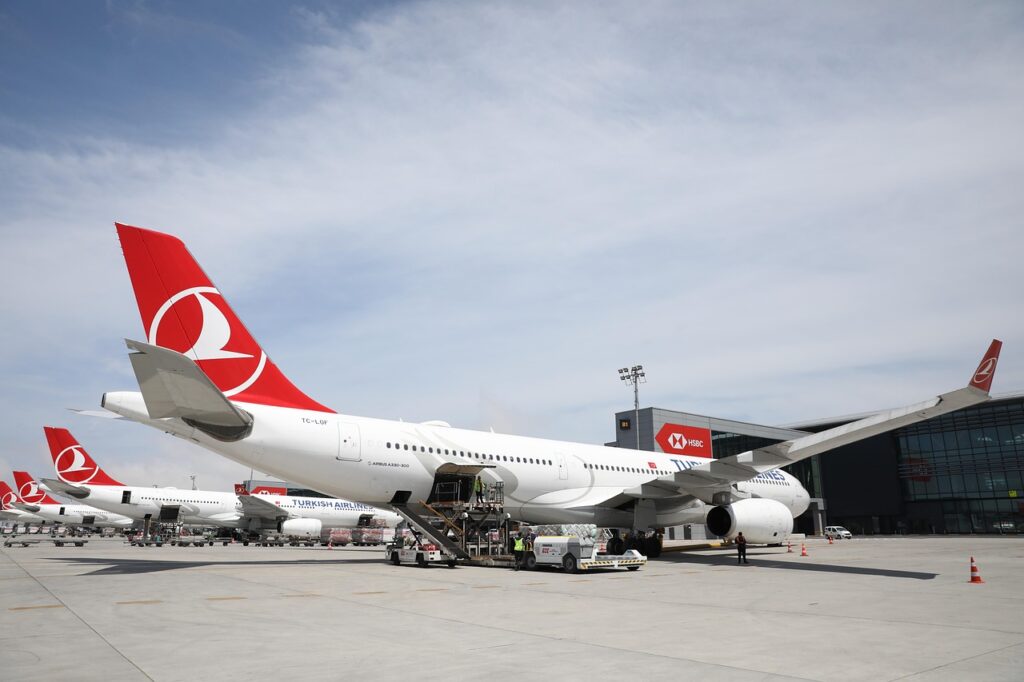
    Türkiye’s aviation industry continues its aggressive ascent, reinforcing its position as a critical global air travel and cargo hub. Driven by the strategic expansion of its flag carrier, Turkish Airlines, and massive investments in world-class airport infrastructure, the sector is experiencing unprecedented growth.

    Aviation Industry in Turkey

    ✈️ Turkish Airlines: Expanding the Global Bridge

    Turkish Airlines (THY) remains the primary engine of the nation’s aviation success, relentlessly increasing its global footprint. The airline is actively executing a long-term strategy aimed at solidifying its status as a world leader:

    • Fleet and Capacity: THY continues its massive fleet expansion, aiming to grow its fleet to approximately 530 aircraft by the end of 2025 and over 800 by 2033. This has directly translated into a substantial increase in Available Seat Kilometers (ASK), reflecting robust operational growth.
    • Network Growth: The airline is one of the world’s most connected, flying to more countries than any other. New and reinstated routes for 2025 are focusing on strategic global links, including new US destinations like Minneapolis, and significant expansion in Africa and the Asia-Pacific (with potential new routes to New Zealand).
    • Low-Cost Focus: The launch of Ajet as a separately incorporated low-cost subsidiary is a key strategic move. It allows the THY Group to aggressively compete in the price-sensitive short-to-medium-haul market while the mainline carrier focuses on premium, long-haul, and high-yield routes.
    • Financial Resilience: Despite global economic volatility and higher operational costs, THY has maintained solid profitability and is strategically reducing its debt, securing its long-term financial stability.

    🏗️ Infrastructure: The Megahubs Powering Growth

    Türkiye’s investment in airport capacity is crucial to handling the surge in traffic and maintaining its transit supremacy.

    • Istanbul Airport (IST): Already a globally acclaimed facility (named World’s Best Airport by multiple authorities in 2025), IST is on track for a major capacity upgrade. Its current capacity of 90 million passengers is set to increase to 120 million by the end of 2025 with the completion of the second phase of investments, and a long-term goal of 200 million passengers.
    • Regional Expansion: Major projects are underway beyond the capital, most notably the Antalya International Airport Expansion. Phase one of this extensive project, expected to be completed in early 2025, will significantly increase the airport’s annual passenger capacity from 40 million to 80 million, supporting the country’s booming tourism sector.
    • Cargo Dominance: The air freight market is thriving, projected to reach over $7 billion by 2033. This growth is underpinned by Istanbul’s strategic location and the success of Turkish Cargo’s state-of-the-art SMARTIST facility, reinforcing the country’s role in global e-commerce and logistics.

    🚁 The Defense and Aerospace Sector

    The Turkish aerospace and defense market continues its trajectory toward self-reliance and global exports, valued at over $15 billion in 2025.

    • National Platforms: The domestic development of sophisticated systems like the KAAN fifth-generation fighter aircraft is a technological milestone.
    • MRO and Maintenance: A key development for commercial aviation is the planned Rolls-Royce and Turkish Technic joint venture for a new Maintenance, Repair, and Overhaul (MRO) center at Istanbul Airport by 2027. This facility will significantly enhance regional engine maintenance capabilities for major engine types, reducing reliance on foreign maintenance providers.

    🧑‍✈️ Bridging the Talent Gap: The JobsReach Aviation Solution

    Amidst this rapid expansion, the need for specialized aviation talent from pilots and engineers to MRO specialists is accelerating. Filling these critical roles efficiently is paramount to sustaining growth.

    JobsReach Aviation is playing a vital role in this talent ecosystem by connecting aviation professionals across the globe with direct career opportunities from airlines. The platform is designed to:

    • Enable Direct Application: Professionals can apply directly to open positions, dramatically reducing the time to process their candidature. This service is utilized by many domestic carriers, including new and emerging operators like Wizz Air who seek highly qualified staff quickly.
    • Targeted Recruitment: Utilizing the JobsReach OutReach capability, the platform helps airlines reach the best candidates in a highly targeted manner, ensuring a better match for niche, high-demand roles.
    • Streamlined Process: By focusing exclusively on the aviation industry, the platform offers a more efficient and industry-relevant hiring process for both employers and job seekers, supporting the continuous operational expansion across Türkiye and the world.
    JobsReach Aviation public profile
    JobsReach Aviation public profile

    💡 Outlook: A Path to Unrivaled Connectivity

    Passenger numbers across Turkish airports have soared, with the major hubs handling millions of passengers in the first half of 2025. This momentum, combined with sustained investment and THY’s relentless route development, suggests that Türkiye is successfully cementing its future as the central aviation hub connecting Europe, Asia, and Africa. The sector remains a vital pillar of the Turkish economy, promising continued job creation and commercial connectivity.

  • Significance of Belgium in the Aviation Industry

    Significance of Belgium in the Aviation Industry

    Belgium holds a strategic position in Europe, both geographically and economically, which makes it an important hub for aviation. Its airports such as Brussels Airport, Brussels South Charleroi Airport, and Liège Airport handle significant passenger and cargo traffic, connecting major European and global destinations. Belgium is also home to leading aerospace companies and maintenance, repair, and overhaul (MRO) facilities, including Sabena Technics, SONACA, and ASCO Industries, which serve both civil and military aviation sectors.

    Aviation industry growth in Belgium

    The country’s proximity to other European aviation centres, combined with its well-developed logistics network, has positioned it as a key player in aircraft manufacturing, parts supply, and technical maintenance. Additionally, Belgium’s government and industry bodies actively support aerospace innovation, including research in green aviation technologies, unmanned aerial systems (UAS), and sustainable fuels.

    Growth of the Aviation Industry

    Over the last decade, Belgium’s aviation sector has shown steady growth, driven by

    • Increased passenger demand for European and international travel.
    • Rising air cargo traffic, especially through Liège Airport, one of Europe’s largest freight hubs.
    • Expansion of MRO services, responding to global airline needs for cost-efficient and high-quality maintenance.
    • Innovation in aerospace manufacturing, with Belgian firms supplying parts to major aircraft programs like the Airbus A350 and Boeing 787.
    • Defence and space projects, including collaborations with the European Space Agency (ESA).

    This growth is further supported by Belgium’s integration into EU-wide aviation strategies, providing funding, research opportunities, and market access.

    For aircraft mechanics, aviation technicians, and related professionals, this environment not only guarantees steady job availability but also offers

    • Hands-on experience with cutting-edge aircraft systems.
    • Opportunities for career progression into supervisory, training, or engineering roles.
    • Global recognition of Belgian experience, opening pathways to work abroad.
    • Exposure to both civil and defence aviation projects, diversifying skill sets.

    Opportunities for Aircraft Mechanics, Aviation Technicians, and Related Professions

    The expansion of Belgium’s aviation industry directly benefits skilled professionals such as aircraft mechanics, avionics technicians, and aerospace engineers in several ways

    1. High Demand for Skilled Labour
      The growth of passenger and cargo operations increases the need for regular aircraft inspections, preventive maintenance, and complex repairs. This creates a consistent demand for certified mechanics and technicians.

    2. Diverse Career Paths
    Professionals can work in various sectors such as commercial airlines, cargo carriers, MRO companies, aircraft manufacturing, or even military aviation.

    3. Access to Cutting-Edge Technology
    Belgium’s focus on advanced aerospace engineering means technicians often work with next-generation aircraft systems, composite materials, and modern avionics, enhancing their technical expertise.

    4. Competitive Salaries and Benefits
    Due to the skill shortage in aviation maintenance globally, Belgian MRO firms and airlines often offer competitive wages and career development programs.

    5. Global Career Mobility
    Experience in Belgium’s aviation sector, which adheres to strict EASA (European Union Aviation Safety Agency) standards, is highly valued worldwide, enabling technicians to work in other countries.

    How JobsReach Aviation Helps Aviation and MRO Companies

    JobsReach Aviation serves as a global platform designed to connect aviation professionals with top opportunities while enabling companies to expand their reach within the industry. It helps aviation and MRO companies attract qualified professionals by

    • Boosting Visibility – Promoting their brand and vacancies to a worldwide aviation audience.
    • Providing Industry Insights – Offering resources and market updates so companies and professionals stay informed on trends.
    • Delivering Direct Opportunities – Bringing roles from leading airlines, MRO providers, and GSE companies directly to candidates.
    • Creating a Global Central Stage – Uniting aviation players on one platform to exchange opportunities, knowledge, and collaborations.
    • Removing Growth Barriers – Offering professionals a direct pathway into the industry without requiring a mentor, simply by engaging with the JobsReach Aviation network.

    By bridging the gap between employers and talent, JobsReach Aviation plays a pivotal role in fuelling career growth for individuals and driving workforce expansion for aviation companies worldwide.

  • JobsReach Aviation – Building a Stronger, Smarter, and More Connected Aviation Industry

    JobsReach Aviation is a dedicated networking platform created to empower and support professionals across the global aviation sector. As the industry enjoys strong post-pandemic growth, airlines, MROs (Maintenance, Repair & Overhaul providers), and GSEs (Ground Support Equipment providers) are actively expanding and looking for skilled talent. At the same time, they face rising challenges in workforce retention due to geopolitical tensions, increased regulatory demands, and a competitive labour market.

    JobsReach Aviation was built with a clear mission: to connect aviation professionals across borders, open doors to new career opportunities, and give them a focused platform to showcase their expertise. It brings together airlines, aviation companies, and professionals to collaborate, build careers, and strengthen the global aviation workforce.

    ✈️ Why JobsReach Aviation Stands Out from LinkedIn

    While LinkedIn is a generalist platform heavily dominated by IT, marketing, and recruitment sectors, aviation is often just a small presence there. JobsReach Aviation changes that by putting aviation front and center. Here’s how it’s different:

    Aviation-Focused by Design: Everything on the platform is tailored specifically for the aviation community, from pilots and engineers to ground staff and leadership professionals.

    Faster Hiring Through Direct Connections: The platform enables direct communication between employers and aviation professionals, significantly reducing processing time and avoiding delays often caused by traditional recruitment layers. This ensures quicker decision-making and a more efficient hiring experience for both sides.

    Unlimited, Meaningful Networking: Unlike LinkedIn, which restricts connection limits, JobsReach Aviation encourages unlimited, value-driven professional relationships that foster collaboration, mentorship, and opportunity sharing within the aviation ecosystem.

    JobsReach Aviation is specifically designed to serve aviation professionals

    Support for New Entrants and Career Switchers: Whether you’re training to be a pilot, studying aircraft engineering, pursuing a technician certification, or transitioning from mechanical roles to GSE operations or cabin crew support, JobsReach Aviation opens the door for you. You don’t need to feel lost or overwhelmed about your future. Simply join the network, build connections with industry professionals, and discover real-world opportunities shared by those already working in the field.

    Share Your Story, Showcase Your Aviation Life: JobsReach Aviation lets you securely share photos and videos, from moments in your day-to-day aviation life to professional milestones and updates. Whether it’s your latest achievement, behind-the-scenes experiences, or industry insights, these posts help you stand out, build your brand, and engage meaningfully with your network, making your aviation journey more visible, relatable, and impactful.

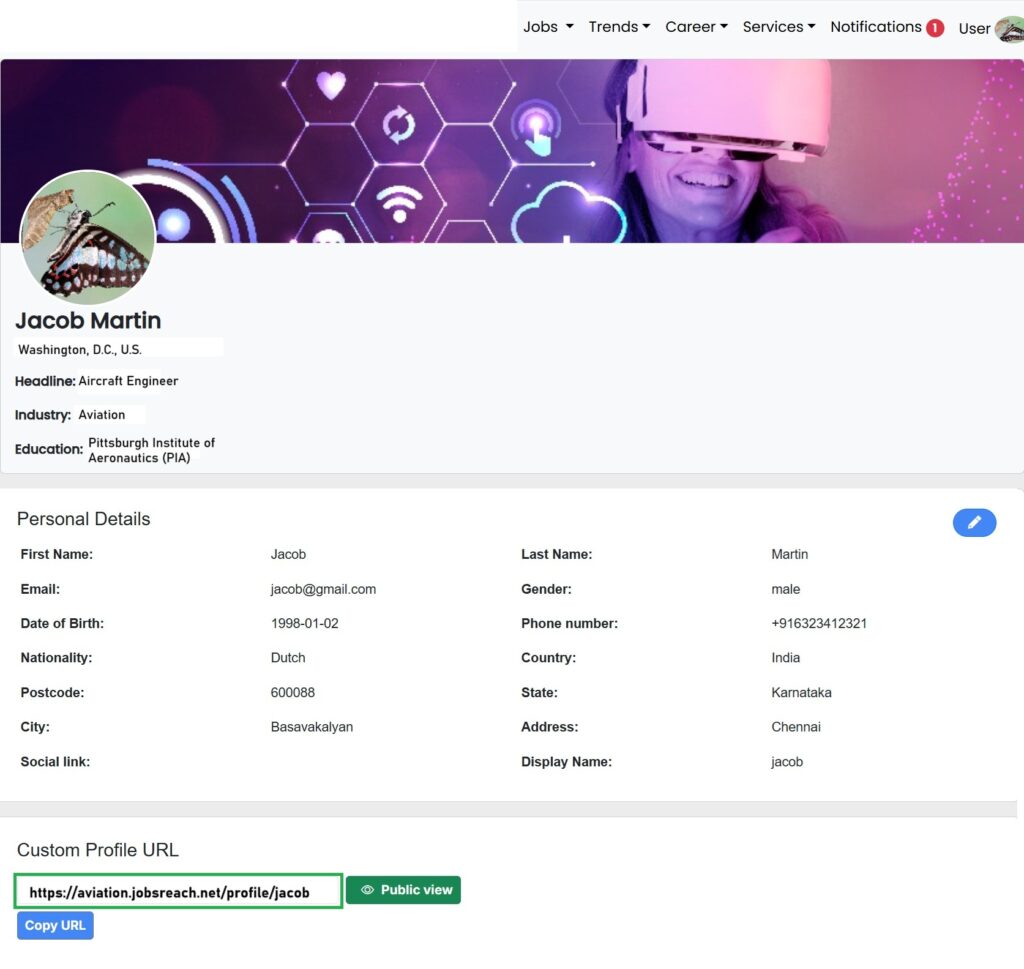
    Public Profiles with Personal Branding: You can easily create a customized public profile with a unique profile name to showcase your identity across the industry. Let others know you’re part of the JobsReach Aviation network, a place full of opportunities for those who are serious about their professional growth.

    JobsReach Aviation public profile

    Strengthening the Aviation Community: In today’s turbulent global landscape, JobsReach Aviation plays a vital role in uniting the aviation workforce, promoting sustainable growth, and ensuring the industry remains resilient and future-ready.

    Whether you’re an experienced professional or just starting your journey in aviation, JobsReach Aviation offers the dedicated space you need to connect, grow, and thrive, within an industry that moves the world.

  • How Bulgaria is a Strategic Choice for Europe in Aviation Talent

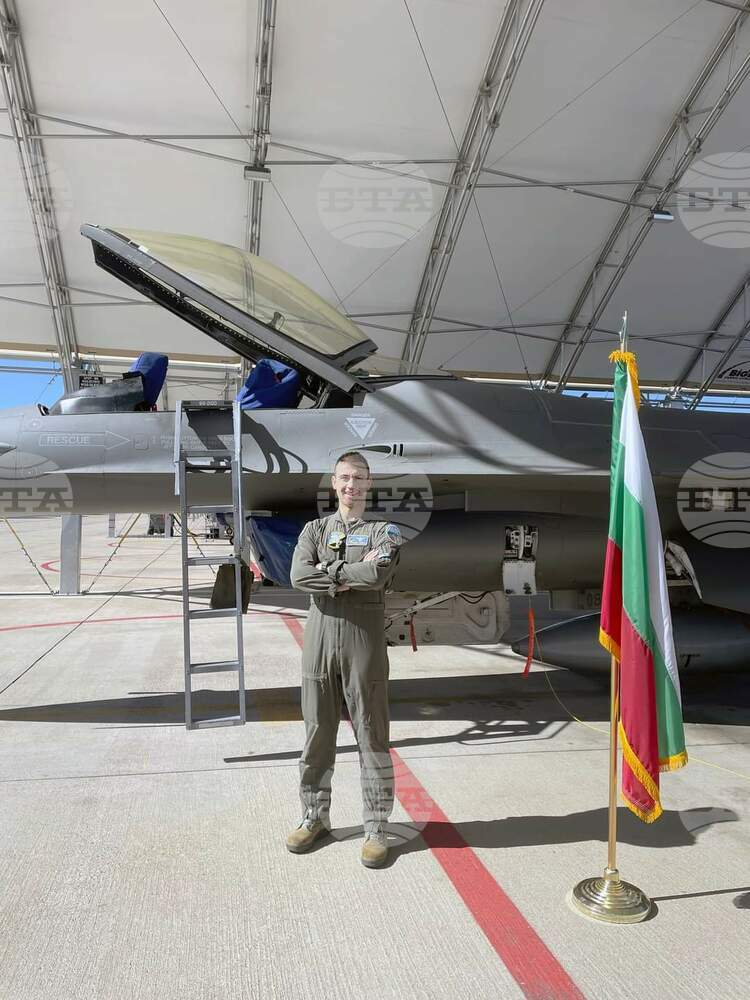
    Bulgaria has a growing number of aviation professionals, driven by the country’s strategic location, increasing air traffic, and the expansion of the aviation sector.

    Growing Aviation professionals in Bulgaria

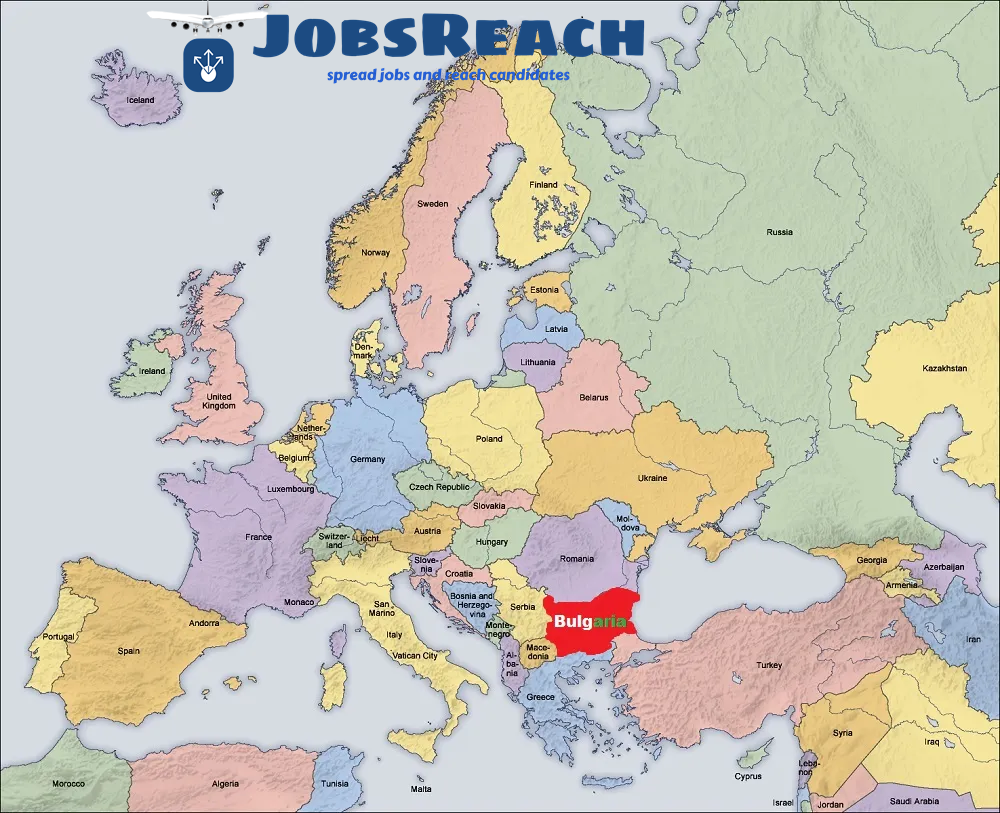
    Bulgaria in Europe

    Bulgaria is a Southeast European country located in the Balkans, bordered by the Black Sea and the Danube River. It shares borders with Romania to the north, Serbia and North Macedonia to the west, Greece and Turkey to the south, and the Black Sea to the east. Bulgaria has been a member of the European Union since 2007.

    Key Factors Contributing to Growth in Aviation Professionals

    Strategic Location

    • Bulgaria’s location at the crossroads of Europe, Asia, and the Middle East makes it an important hub for air transport and logistics.
    • Growth in passenger and cargo traffic at key airports like Sofia, Plovdiv, and Varna has created a demand for skilled aviation professionals.

    With the rise in demand for skilled pilots, engineers, and ground staff, JobsReach Aviation is well-positioned to support aviation companies and airlines looking to hire talent from Bulgaria.

    Expansion of Low-Cost Carriers and Airlines

    Airlines like Ryanair, Wizz Air, and Bulgaria Air have expanded operations in the region, leading to increased hiring of pilots, cabin crew, and ground staff. This growth provides a prime opportunity for JobsReach Aviation to assist in sourcing and hiring talented professionals from Bulgaria.

    Training Institutions

    Maintenance, Repair, and Overhaul (MRO) Sector

    • Bulgaria has become a hub for MRO services, attracting global companies like Lufthansa Technik.
    • This sector employs a significant number of engineers and technical professionals.

    Government and EU Support

    Investments in airport infrastructure and EU-funded projects support aviation growth, creating opportunities for professionals in airport management, air traffic control, and related fields.

    Bulgaria's location at the crossroads of Europe, Asia, and the Middle East

    Current Trends

    • Growth in Skilled Workforce: The number of trained aviation professionals, including pilots, aircraft maintenance engineers, and air traffic controllers, has steadily increased.
    • Demand for Technical Roles: There is high demand for technical roles in MRO and avionics due to Bulgaria’s competitive labour costs and geographical location.
    • Global Mobility: Many Bulgarian aviation professionals also work internationally, particularly within the EU, benefiting from Bulgaria’s inclusion in the European Common Aviation Area.

    Challenges ahead

    • Brain Drain: Some professionals seek better opportunities in Western Europe, causing local shortages in highly skilled roles.
    • Training Capacity: Limited training facilities may not fully meet the increasing demand for aviation professionals domestically.

    JobsReach Aviation as Your Partner

    With Bulgaria’s rapidly growing aviation workforce and strategic location, JobsReach Aviation offers a unique opportunity for airlines and aviation companies to hire skilled resources, including pilots, engineers, and other professionals. Our extensive reach in Bulgaria ensures that we can help you find the talent you need to meet your operational requirements.

    JobsReach Aviation Signup
    JobsReach Aviation Signup

    Whether you’re looking for pilots, maintenance engineers, or other aviation specialists, JobsReach Aviation is your trusted partner in connecting with Bulgaria’s growing pool of aviation talent.

    Unlocking Future Aviation Talent from Bulgaria

    With ongoing investment in the aviation sector and its strategic position, Bulgaria is set to see a continued rise in aviation professionals. Through the expansion of training programs and partnerships with global aviation companies, the country is poised to become a key player in the regional aviation workforce.

  • A deficit of aviation technicians could result in a slowdown of air traffic

    1.The role of the Licensed Aircraft Maintenance Engineer

    Aircraft maintenance vs annual technical car inspection

    Aircraft maintenance is akin to the annual technical inspection required for cars, albeit with more stringent regulations and complexities. While cars undergo maintenance and inspections typically once a year to ensure safety and performance, aircraft maintenance is governed by detailed European and national legislation. These regulations mandate that before each flight, every essential component undergoes meticulous checks, regardless of whether any issues have been identified.

    Each aircraft follows a meticulously prepared maintenance schedule created by the manufacturer, encompassing every part, engine, and airframe parameter. Airlines are legally obligated to have their fleets maintained by approved aircraft maintenance organizations, overseen in the Netherlands by the Human Environment and Transport Inspectorate (IL&T).

    Strict rules

    The Licensed Aircraft Maintenance Engineer is a certified aviation technician under the Dutch Aviation Act (Luchtvaartwet) and international regulations. Known as “GWKs” in the Netherlands, these ground engineers hold a European Aircraft Maintenance License (AML), issued by the Dutch KIWA Register on behalf of the Minister of Infrastructure and Water Management. This license is nearly identical to the “Commercial Pilot License” required for Dutch airline pilots.

    Each aircraft type requires a separate authorization. A ground engineer can only certify maintenance and release the aircraft for service after successfully completing all relevant courses, on-the-job training, and practical training for that specific aircraft type.

    Crucial role in flight safety

    Ground engineers authorize an aircraft for service after maintenance has been completed. They are responsible and liable for overseeing all maintenance activities, including those performed by non-licensed personnel like mechanics. Regulators position ground engineers as the “last line of defense” to minimize aviation safety risks. Only the ground engineer has the authority to determine if the aircraft is fit to return to service after maintenance.

    Working conditions

    Maintaining aircraft is a genuine passion for aeronautical technicians. Working on a machine that lifts 250 tons with hundreds of passengers and complex engines delivering immense power is a unique and challenging job.

    However, the working conditions for mechanics and GWKs can be tough. Since commercial flights operate 24/7, maintenance is performed in continuous shifts, including nights, weekends, and public holidays. Some tasks are done in confined spaces or hard-to-reach areas, and line maintenance on the platform requires working in all weather conditions.

    Despite these challenges, thousands of aviation technicians in the Netherlands pursue their profession with great satisfaction. Every day, mechanics and ground engineers ensure that millions of passengers, as well as their colleagues in the cockpit and cabin, can board with confidence and enjoy a safe flight.

    Lengthy training course

    To become a GWK, one must complete a basic technical education, such as an Aircraft Mechanics course. This includes obtaining the practical and theoretical Part 66 modules required for approving and ensuring maintenance on an aircraft. The EU highly regulates the content and examination of these modules. In the Netherlands, only two training institutes, located in Hoogerheide and Maastricht, are certified to conduct these examinations.

    Upon passing the required exams, the student receives a basic AML and can now be called an “aircraft mechanic,” eligible to apply for positions in the technical department of an airline or an aircraft maintenance company.

    This initial job marks the beginning of further training to obtain the full AML and progress to the position of GWK with certification privileges. Achieving professional maturity as a ground engineer, with demonstrable experience on a specific aircraft type or helicopter, typically takes 7 to 12 years.

    Regular exams and training are necessary to maintain the validity of the aircraft type authorization.

    Personal liability

    The special privilege of releasing an aircraft for service is highlighted by the fact that GWKs can be held personally liable if they make mistakes in their work. In severe cases, the Public Prosecution Service may even initiate criminal prosecution. This responsibility cannot be transferred to the employer or covered by an insurance company.

    2. Shortage

    Shortage of new mechanics

    The enthusiasm for technical careers among young people has been declining for years, as evidenced by various surveys and studies. This trend is evident in aviation, where the influx of new mechanics mirrors the low interest seen in other technical industries.

    Furthermore, numerous vacancies and opportunities for young technicians entering the labor market have led to increased competition. Consequently, many new employees leave aviation within their first five years. As a result, these new mechanics do not stay long enough to advance to the position of ground engineer.

    This situation threatens the continuity of flight operations. In the near future, the decreasing number of GWKs due to retirements will be compounded by the lack of mechanics progressing to their licensed career phase. With the combined overall number of mechanics and GWKs in decline, there will eventually be insufficient personnel to meet the demands of aviation maintenance.

    Minimum staffing levels are at risk

    Similar to other sectors, the aging population is contributing to the increasing shortage of aviation technicians. In the coming years, many experienced colleagues will retire, taking with them their invaluable knowledge and expertise.

    For airlines and maintenance companies, these developments pose a significant challenge in maintaining the minimum staffing levels required for ongoing flight operations.

    These issues are not concerns for the distant future. Without intervention, by 2025, the shortage of aviation technicians could already lead to severe disruptions in airline flight schedules.

    Additionally, the scarcity of aviation technicians is not confined to the Netherlands. This shortage is anticipated to be a global problem in the coming years, as highlighted in industry publications.

    Consequences of flight reduction at Schiphol

    The Dutch government plans to reduce Schiphol’s flight numbers by 12% to 440,000 from 2023, aiming to mitigate noise and environmental impacts on local residents. The expectation is that flight numbers could rebound if quieter and more environmentally friendly aircraft are adopted.

    However, even if this plan, with its legal complexities, is implemented, its short-term impact on the shortage of aviation technicians will be limited. Growth in aviation is projected to remain robust, with quieter aircraft already in transit. The impending shortage of technicians during a period of reduced flight numbers may temporarily mask the crisis due to the lengthy training required. Therefore, addressing the urgent need to resolve the shortage of aviation technicians remains crucial, irrespective of any flight reductions at Schiphol.

    3. JobsReach Aviation

    JobsReach Aviation offers an innovative approach to connecting aviation professionals globally, spreading opportunities, and addressing resource shortages in the aviation industry.
    𝐉𝐨𝐛𝐬𝐑𝐞𝐚𝐜𝐡 𝐀𝐯𝐢𝐚𝐭𝐢𝐨𝐧 mission is to provide a platform where aviation professionals can directly access job opportunities from airlines around the world, bypassing intermediaries.

    𝐉𝐨𝐛𝐬𝐑𝐞𝐚𝐜𝐡 𝐀𝐯𝐢𝐚𝐭𝐢𝐨𝐧 connects employers directly with talent, eliminating intermediaries and boosting 𝐜𝐨𝐬𝐭 𝐞𝐟𝐟𝐢𝐜𝐢𝐞𝐧𝐜𝐲 𝐛𝐲 𝐮𝐩 𝐭𝐨 𝟗𝟎%. By utilizing multiple social media platforms and diverse channels, we provide candidates with a broader range of opportunities. Unlike other job platforms that target only 10-15% of the candidate pool, JobsReach aims to 𝐞𝐧𝐠𝐚𝐠𝐞 𝐨𝐯𝐞𝐫 𝟗𝟓% 𝐨𝐟 𝐩𝐨𝐭𝐞𝐧𝐭𝐢𝐚𝐥 𝐜𝐚𝐧𝐝𝐢𝐝𝐚𝐭𝐞𝐬 by reaching them on the channels where they are most active and accessible, finding the best among those available.

    4.Possible solutions

    The “Labour market shortage technicians” report offers several recommendations for addressing the shortage of technicians, which are deemed significant and promising. Additionally, You can also explore the Essential Information to Know Before Becoming an Aircraft Mechanic.

    Enhance innovation in labor-saving processes:

    Given the rapid growth in supply relative to the demand for technicians in current demographic, economic, and political conditions, the optimal approach is to moderate the demand for technicians. This involves prioritizing innovations and innovation subsidies focused on labor-saving processes, complemented by social innovation. This strategic shift aims to deploy labor more intelligently while maintaining productivity with fewer technicians.

    Aviation regulations are highly stringent, leaving little room for maintenance organizations to deviate from established standards.

    Innovations like drone usage for visual inspections still require extensive research to ensure their safety and suitability for aviation applications.

    Furthermore, there is an opportunity for maintenance organizations to enhance the efficiency of work processes and job roles through further optimization.

    Promote a cultural shift towards embracing technology:

    The technology sector predominantly employs older men in full-time roles, which limits flexibility in working hours and discourages many young people and women from pursuing careers in this field. Introducing a cultural shift that promotes diversity and offers more flexible working arrangements could help attract a broader range of technicians. This change is crucial for increasing the sector’s workforce.

    Airlines and maintenance companies should explore different scheduling options beyond traditional rosters. For instance, adopting varied service combinations like those used by Air France Industries could be beneficial. Additionally, airlines can invest in aircraft capacity that allows maintenance to be conducted during daytime services instead of overnight shifts.

    Generate greater enthusiasm for technology from a young age:

    The number of young people pursuing technical training at the master’s level is increasing, while enrollment at the MBO level is declining. Additionally, many young students leave technical education during their studies, particularly at the MBO level. Several stakeholders suggest that insufficient exposure to technology in education, starting from primary school, contributes to this trend. Increasing early and frequent exposure to technology can lead more young people to choose technical education and careers.

    Several Dutch technical companies, like ASML, have initiated programs to introduce primary school students to technology through guest lectures. This approach could also be beneficial for aviation technology, including engaging secondary school students.

    Airlines can play a significant role by inviting students to visit hangars and observe aircraft maintenance operations. Consideration could also be given to providing part of the training through company schools, enhancing students’ engagement with the aviation industry.

    To encourage greater participation, offering employment contracts at the start of company courses and traineeships could provide assurance to aspiring aviation technicians. Here’s a guide on how to effectively hire an aircraft mechanic.

    Increase investment in the matching and training of individuals entering from related fields:

    Expanding the scope of lateral entry beyond traditional credentials and job experience to encompass all relevant skills and competencies can significantly broaden the pool of potential candidates entering the technology sector. However, due to the scarcity of individuals possessing the mandatory AML certification (approximately 1,500 in the Netherlands) and the extensive experience required for GWK positions, we see limited potential for lateral entry to alleviate the shortage of aeronautical technicians.

    Establishing a collaborative network for technical training initiatives:

    In the study, multiple stakeholders suggest that creating collaborative regional networks (network organizations) could enhance technical training by pooling expertise, funding, and organizational resources. This approach allows for economies of scale, enabling smaller technology firms to offer more comprehensive training programs for technicians.

    Ensure that primary employment conditions are attractive:

    HBO graduates in technology have seen a stronger growth in hourly wages compared to MBO graduates. Therefore, it is advisable, where feasible, to consider enhancing primary employment conditions, particularly for MBO graduates. This could potentially increase the supply of MBO students, boost lateral enrollment, and reduce attrition, thereby partially addressing the high demand for MBO graduates.

    Based on our analysis of current technical job openings, we have identified a shortfall of up to 20% in entry-level salaries at KLM Group technical departments compared to today’s technical labor market standards. This shortfall increases to 25% or more when comparing with end-of-scale salaries. JobsReach Aviation takes responsibility for connecting aviation professionals globally, spreading opportunities, and addressing resource shortages in the aviation industry.

    We also emphasize the importance of fringe benefits as critical tools for both recruitment and retention. For instance, expanding reimbursements from sustainable employability budgets (e.g., for sports memberships and health programs), offering flexible leave options, and increasing employer-sponsored training opportunities (even if not job-related) are strategies that can enhance attractiveness. Airlines could also extend employee discounts on airline tickets to further incentivize and retain talent.

    Providing employees and applicants with clearer insights into career advancement opportunities within the company is crucial. Solutions to facilitate easier transitions from rotating shifts to day shifts during one’s career should be explored, considering that the loss of shift work allowances currently poses a significant barrier to internal mobility.

    In today’s labor market, MBO students with technical education experience greater salary development compared to HBO students (Telegraaf article). Promoting this advantage more effectively among high school students could further bolster interest in technical careers.

    Frame the labor shortages in technology within a societal context:

    The challenging labor market for technicians poses a significant threat to the quality and continuity of technical sectors in the Netherlands. Concurrently, multiple sectors of the economy are grappling with tight labor conditions. Increased competition among sectors in addressing labor shortages diminishes the effectiveness of solutions in the long term. Therefore, efforts to alleviate the shortage of technicians must be integrated with strategies aimed at addressing shortages in education, healthcare, law enforcement, food supply, and other sectors.

    5. Conclusion

    JobsReach Aviation reaches the right talents with relevant opportunities. JobsReach Aviation unites aviation professionals globally, offering a unique platform to discover opportunities and facilitating career advancement. It’s your 𝐨𝐧𝐞-𝐬𝐭𝐨𝐩 destination for finding opportunities around you.

    JobsReach Aviation is an effective approach for aircraft mechanics to find employers who appreciate their skills and expertise. You can also explore tips for securing quality employment as an aircraft mechanic.