Category: insights

Insights Blogs

  • The Future of Remote Working Jobs Across All Industries

    The landscape of work has undergone a profound transformation over the past few years, driven by rapid technological advancements and an unprecedented global pandemic. Remote working, once considered a perk or an exception, has become a fundamental aspect of the modern workplace. As we look to the future, it’s clear that remote working is not just a temporary shift but a permanent change reshaping every industry. JobsReach is at the forefront of this evolution, playing a crucial role in spreading remote opportunities across the globe.

    The Evolution of Remote Work

    Remote work’s rise began with advancements in communication technology, enabling teams to collaborate seamlessly across geographies. However, it was the COVID-19 pandemic that accelerated its adoption. Companies were forced to adapt quickly, realizing the benefits of remote work, including increased flexibility, reduced overhead costs, and access to a global talent pool.

    Benefits of Remote Work Across Industries

    1. Technology and IT: The tech industry has been a pioneer in remote work. With the nature of their jobs being inherently digital, tech companies have seamlessly transitioned to remote operations. This shift has allowed them to attract top talent from around the world without geographical constraints.
    2. Healthcare: Remote work in healthcare has expanded beyond telemedicine. Administrative roles, medical billing, and even some diagnostic tasks are now being performed remotely. This not only enhances efficiency but also improves work-life balance for healthcare professionals.
    3. Finance and Banking: The finance sector, traditionally office-bound, has embraced remote work for roles like financial analysis, accounting, and customer service. This transition has led to increased productivity and a broader talent pool.
    4. Education: The education industry has seen a surge in online learning platforms and remote teaching roles. This shift has made education more accessible, allowing educators to reach students globally and offering flexibility in course delivery.
    5. Marketing and Creative Industries: Marketing, advertising, and creative fields have thrived in a remote environment. Creative professionals can collaborate virtually, leveraging digital tools to produce high-quality content and campaigns.
    6. Manufacturing and Logistics: Even industries traditionally reliant on physical presence are incorporating remote elements. Roles in management, customer service, and supply chain coordination are increasingly being performed remotely.

    The Future of Remote Work

    As we move forward, several trends will shape the future of remote work

    • Hybrid Work Models: Many companies are adopting hybrid models, combining remote and in-office work. This approach offers flexibility while maintaining some level of physical collaboration.
    • Advanced Collaboration Tools: Continued advancements in technology will lead to even more sophisticated collaboration tools, making remote work more efficient and interactive.
    • Focus on Well-being: Companies will place greater emphasis on employee well-being, offering support for mental health and work-life balance in remote settings.
    • Global Talent Pool: Remote work breaks down geographical barriers, allowing companies to tap into a global talent pool and fostering greater diversity and inclusion.
    • Sustainability: Reduced commuting and lower office energy consumption contribute to a more sustainable work environment.

    JobsReach: Spreading Remote Opportunities Globally

    JobsReach is a dynamic platform committed to connecting talents with job opportunities worldwide. In the era of remote work, JobsReach plays a pivotal role in spreading remote opportunities across the globe.

    • Diverse Job Listings: JobsReach offers a wide array of remote job listings across various industries, ensuring that job seekers can find opportunities that match their skills and preferences.
    • Global Reach: By eliminating geographical barriers, JobsReach enables employers to find the best talent regardless of location, and job seekers to explore opportunities worldwide.
    • Career Resources: JobsReach provides valuable resources, including resume tips, interview preparation, and career development advice tailored to the remote work environment.
    • Networking Opportunities: The platform fosters a global community of professionals, allowing members to network, share experiences, and support each other in their career journeys.
    • Real-time Updates: JobsReach keeps its members informed about the latest remote job openings and recruitment trends, helping them stay ahead in a competitive job market.

    The future of remote working jobs is bright and promising, with every industry adapting to and benefiting from this flexible work model. As remote work continues to evolve, platforms like JobsReach are essential in facilitating the transition, spreading opportunities, and connecting talents across the globe. Embracing remote work not only enhances productivity and job satisfaction but also paves the way for a more inclusive and sustainable future of work.
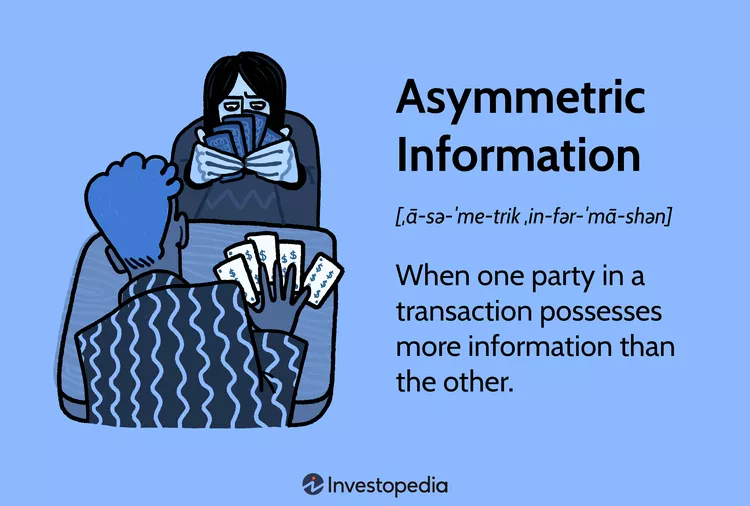

  • Information Asymmetry in the Job Market

    In the realm of economics and business, information asymmetry occurs when one party in a transaction possesses more or better information than the other. This concept, while widely applicable across various sectors, plays a particularly crucial role in the job market. Here’s a closer look at how information asymmetry influences the hiring process and its broader implications.

    What is Information Asymmetry?

    Information asymmetry refers to situations where there is an unequal distribution of information between two parties. In the job market, this typically manifests in two primary ways:

    1. Employer’s Perspective: Employers often have more comprehensive information about the job’s requirements, the organizational culture, and long-term opportunities. However, they may lack full insight into the true capabilities and potential of the candidates.
    2. Job Seeker’s Perspective: Job seekers usually know more about their own skills, experiences, and work ethic. Yet, they might not have a clear understanding of the job’s specifics, the company’s working environment, or future prospects.

    How Information Asymmetry Affects the Job Market

    1. Recruitment Challenges:
      • Adverse Selection: Employers might struggle to distinguish between high-quality and low-quality candidates based solely on resumes and interviews, leading to the potential hiring of less suitable candidates.
      • Moral Hazard: Once hired, employees might not perform to the level they presented during the hiring process, knowing that the employer cannot fully monitor their daily activities.
    2. Job Seeker Dilemmas:
      • Underemployment: Candidates might accept jobs that are below their qualifications due to a lack of information about better opportunities.
      • Mismatch of Expectations: Discrepancies between job descriptions and the actual role can lead to dissatisfaction and high turnover rates.

    Addressing Information Asymmetry

    • Enhanced Screening Processes:
      • Pre-employment Assessments: Skills tests, personality assessments, and job simulations can provide deeper insights into a candidate’s fit for a role.
      • Background Checks: Thorough verification of past employment, education, and references can help mitigate risks associated with information asymmetry.
    • Transparency and Communication:
      • Detailed Job Descriptions: Clear and comprehensive job postings that outline responsibilities, expectations, and company culture can attract better-suited candidates.
      • Open Dialogue: Encouraging open communication during the interview process allows candidates to ask questions and gain a realistic view of the job.
    • Technology and Data Analytics:
      • AI and Machine Learning: Advanced algorithms can analyze vast amounts of data to match candidates with jobs more accurately.
      • Online Platforms: Websites like LinkedIn, Glassdoor, and company review sites provide additional information that helps both employers and job seekers make informed decisions.

    JobsReach: Bridging the Information Gap

    JobsReach offers inherent transparency in the interview process

    JobsReach is revolutionizing the job market by addressing information asymmetry through our innovative social media recruitment model. Here’s how our JobsReach platform is making a difference

  • Targeted Outreach: By leveraging social media channels, JobsReach connects employers with a wider and more diverse pool of candidates, ensuring that job opportunities reach the right people.
  • Enhanced Visibility: Our platform allows companies to showcase their culture, values, and work environment through engaging content, providing job seekers with a clearer understanding of what to expect.
  • Interactive Engagement: JobsReach facilitates real-time interactions between employers and potential candidates, enabling more dynamic and transparent communication. This helps job seekers ask questions and gain deeper insights into the roles and the company.
  • Data-Driven Matching: Utilizing advanced algorithms and analytics, JobsReach ensures a better match between job seekers and employers, reducing the chances of mismatches and enhancing job satisfaction.

Transparency is the key to trust in the job market, it transforms uncertainty into opportunity

JobsReach

By harnessing the power of social media and cutting-edge technology, JobsReach is effectively narrowing the information gap in the job market, leading to more informed decisions and better employment outcomes for both employers and job seekers.

Information asymmetry is an inherent challenge in the job market, but with the right strategies and tools, it can be managed effectively. Platforms like JobsReach are at the forefront of this transformation, promoting transparency, leveraging technology, and fostering better communication to ensure a more equitable and efficient job market for all.