The Netherlands is one of Europe’s strongest aviation hubs, offering internship opportunities in airlines, airports, aerospace research institutes, and engineering companies. However, most students miss out not because of competition, but because they apply at the wrong time.
Best Aviation Internships in the Netherlands: Companies, Timelines & Tips
This guide explains exactly where to find aviation internships in the Netherlands, when companies hire, and how to increase your chances of getting selected.
Quick Overview (What Students Should Know)
Most internships are filled 4–6 months in advance
Peak hiring happens in Feb–May and Sep–Nov
Internships last 3–6 months on average
Many opportunities are not widely advertised (especially thesis roles)
Top Aviation Internship Providers in the Netherlands
JobsReach Aviationis being developed as a platform focused on helping aviation professionals and early-career professionals navigate the aviation industry more effectively.
By combining jobs, insights, and connections, the platform aims to simplify one of the most complex and competitive career paths.
Explore More Aviation Career Insights
To learn more about aviation careers and internships, you can read:
The Netherlands has quietly built one of Europe’s most respected aviation education ecosystems. From commercial pilot academies and aerospace engineering universities to aircraft maintenance training and airline operations programs, Dutch aviation education combines technical precision, international standards, and direct industry integration.
As global aviation continues recovering from workforce shortages and increasing demand for skilled professionals, the Dutch aviation sector is becoming a strategic talent pipeline for airlines, airports, aerospace companies, and aviation technology firms across Europe.
Dutch Aviation Education
Today, the Netherlands is estimated to host between 30 and 50 aviation-focused educational institutions and programs, ranging from flight academies and engineering universities to vocational aviation training centres. Each year, an estimated 2,000 to 4,000 students graduate from aviation-related programs and transition into careers in commercial aviation, aerospace engineering, airport operations, maintenance, and airline management.
Structure of Aviation Education in the Netherlands
Dutch aviation education is not centralized into a single “aviation university.” Instead, it is distributed across several pathways:
Pilot training academies (ATO-approved flight schools)
Aerospace engineering universities
Aviation management programs (HBO/WO)
Aircraft maintenance training institutions
Airline operations and logistics programs
This structure allows students to specialize early in their careers while still meeting internationally standardized EASA requirements.
This creates a highly specialized ecosystem where students can choose pathways aligned with technical, operational, or management-oriented aviation careers.
Some of the country’s most recognized aviation institutions include:
KLM Flight Academy
TU Delft
Hanze University of Applied Sciences
EPST (European Pilot Selection & Training)
OSM Aviation Academy
AIS Flight Academy
Breda University of Applied Sciences
Inholland University of Applied Sciences
The Dutch system is heavily influenced by EASA (European Union Aviation Safety Agency) standards, ensuring graduates are trained under internationally recognized aviation regulations.
Key Aviation Institutions in the Netherlands
1. KLM Flight Academy
One of the most recognized aviation institutions in the country is the KLM Flight Academy, which directly feeds pilots into KLM Royal Dutch Airlines.
Integrated training program duration: ~2 years
Produces Frozen ATPL pilots for airline operations
These programs are designed to feed directly into airport and airline operations roles.
Aircraft Maintenance and Engineering Pathways
The aviation maintenance sector remains one of Europe’s most understaffed aviation segments. Dutch maintenance schools and EASA-approved training organizations help address this shortage by preparing students for highly technical aircraft engineering roles.
Students pursuing maintenance careers often work toward:
EASA Part-66 licensing,
avionics specialization,
aircraft systems maintenance,
and maintenance planning certification.
Typical career outcomes include:
Aircraft Maintenance Technician
Licensed Aircraft Engineer
Avionics Technician
Reliability Engineer
Maintenance Planner
Students are usually required to complete practical On-the-Job Training (OJT) within EASA-approved maintenance organizations before qualifying for full certification.
These roles are essential for airline and airport efficiency and are increasingly data-driven and digitalized.
The Aviation Workforce Outlook in the Netherlands
The Dutch aviation sector is entering a period of workforce transformation.
Several trends are shaping future hiring demand:
pilot retirements,
technician shortages,
sustainable aviation initiatives,
digital aviation systems,
drone operations,
and AI-supported airline operations.
At the same time, aviation employers increasingly seek candidates with hybrid skill sets that combine technical knowledge with business, systems, and analytical capabilities.
This is creating opportunities not only for pilots and engineers, but also for:
As aviation education pathways become more specialized and competitive, students often struggle to understand:
which qualifications employers prioritize,
how internships influence hiring,
what certifications are required,
and where opportunities actually exist.
JobsReach Aviation helps bridge this gap by connecting aviation students, graduates, and aspiring professionals with industry insights, career pathways, and employment opportunities.
By bringing together aviation education intelligence, internship guidance, workforce trends, and employer visibility, JobsReach Aviation aims to simplify the transition from classroom learning into real aviation careers.
For students navigating the highly competitive aviation industry, access to the right information and opportunities can significantly accelerate career progression.
The Dutch aviation ecosystem already provides world-class training infrastructure. The next challenge is ensuring that emerging aviation talent can successfully connect with the employers and opportunities shaping the future of global aviation.
Transition from Education to Aviation Careers
The transition from aviation education into employment is highly structured but competitive.
Pilot Transition Requirements:
ATPL theory completion
MCC/JOC certification
Simulator assessment success
Airline selection process (aptitude + psychometric tests)
For students and professionals exploring aviation education pathways in the Netherlands and Europe, JobsReach Aviation provides a centralized and structured directory of verified aviation institutions.
Dutch aviation education provides a structured and internationally recognized pathway into aviation careers, but success depends heavily on performance, licensing progression, and internship exposure.
Institutions like KLM Flight Academy, EPST, TU Delft, and Breda Aviation play distinct but interconnected roles in developing aviation professionals across Europe.
The transition from education to employment is no longer linear, it is competitive, skill-driven, and increasingly dependent on early exposure to real aviation operations.
As the aviation industry evolves, students who combine technical qualifications with operational experience and soft skills are best positioned to succeed.
The aviation industry offers exciting global career opportunities for professionals interested in travel, hospitality, safety, and operations. From flight attendant jobs and cabin crew jobs to pilot jobs, airport customer service careers, and aviation operations careers, the airline industry continues to grow and recruit talent worldwide.
For many aspiring professionals, aviation is more than just a job, it is a career that combines international travel, multicultural teamwork, and professional development. This guide explores how to become a flight attendant, pilot career paths, entry-level aviation roles, salary expectations, and how platforms like JobsReach Aviation are helping aviation professionals connect and grow.
Entry Level Aviation Careers: Starting Your Journey
Many people assume aviation careers are limited to pilots and cabin crew. In reality, airlines employ professionals across many areas including operations, customer service, and administration.
Popular entry level aviation careers include:
Airport customer service careers
Aviation administration careers
Airline operations careers
Aviation operations careers
Airline passenger service roles
Aviation safety support roles
These positions allow new professionals to learn the airline environment before moving into specialized roles such as cabin crew, inflight service, or airline management.
Working in aviation operations often involves coordinating flights, supporting crew schedules, managing passenger services, and ensuring safety procedures are followed.
Cabin Crew Jobs and Flight Attendant Hiring
Among the most popular aviation careers are cabin crew jobs and flight attendant jobs. Airlines recruit thousands of cabin crew members every year to support expanding international routes.
Cabin crew members are responsible for:
Passenger safety and emergency procedures
Inflight hospitality and customer service
Managing cabin operations during flights
Supporting passengers during boarding and landing
With many airlines increasing recruitment, flight attendant hiring has seen strong growth globally.
Many aspiring candidates search for:
steps to become a flight attendant
flight attendant qualification requirements
flight attendant work schedule
flight attendant yearly salary
Understanding these factors can help candidates prepare for airline recruitment processes.
How to Become a Flight Attendant
One of the most searched aviation career questions is how to become a flight attendant. Airlines typically require candidates to meet several criteria before joining cabin crew training.
Common flight attendant qualification requirements include:
Minimum age requirement (usually 18–21)
High school diploma or equivalent
Strong communication skills
Customer service experience
Medical fitness certification
Fluency in English
Airlines also evaluate candidates during interviews for personality traits such as professionalism, teamwork, and adaptability.
Candidates often prepare by learning:
steps to become a flight attendant
airline recruitment processes
customer service training
interview and grooming standards
Day in the Life of a Flight Attendant
Many people researching aviation careers are curious about a day in the life of a flight attendant.
A typical workday may include:
Pre-flight safety briefing with the flight crew
Passenger boarding and cabin preparation
Delivering inflight service and assistance
Monitoring safety procedures
Supporting passengers during emergencies
The flight attendant work schedule can vary significantly depending on airline routes. Cabin crew may work short regional flights or long-haul international journeys.
Despite irregular schedules, many professionals enjoy the career due to travel opportunities and global exposure.
Flight Attendant Salary and Benefits
Another popular question is how much do flight attendants earn.
The flight attendant yearly salary varies based on airline, experience level, and route type.
Typical benefits include:
Competitive monthly salary
Travel allowances
Layover hotel accommodation
Airline staff travel discounts
Health insurance
Career progression opportunities
For example, international airlines like Emirates and Qatar Airways offer attractive compensation packages.
Many candidates also research:
Emirates cabin crew requirements
Emirates cabin crew salary
Qatar Airways cabin crew requirements
Qatar Airways cabin crew salary
These airlines recruit globally and provide relocation opportunities for international candidates.
Pilot Jobs and Airline Pilot Careers
Pilots play a critical role in aviation safety and flight operations. Pilot jobs are among the most respected positions in the airline industry.
Aspiring professionals often search for how to become an airline pilot, which typically requires:
Commercial pilot license
Flight training hours
Airline certification
Simulator training
Pilots also follow structured schedules and rest regulations. The airline pilot work schedule is carefully managed to ensure safety and compliance with aviation regulations.
Pilot careers often progress through stages including:
First officer
Senior first officer
Captain
Training captain
How to Become a Pilot from Cabin Crew or Flight Attendant
Many aviation professionals begin their careers in cabin crew jobs or flight attendant roles before transitioning to the cockpit. Experience working as cabin crew provides valuable exposure to airline operations, safety procedures, and crew coordination.
Professionals who wish to transition from flight attendant to pilot can follow several steps:
1. Understand Pilot Training Requirements
To become a pilot, candidates must obtain aviation licenses such as:
Private Pilot License (PPL)
Commercial Pilot License (CPL)
Airline Transport Pilot License (ATPL)
These certifications are required by airlines and regulated by aviation authorities.
2. Enroll in a Flight Training Program
Many aspiring pilots enroll in aviation training schools or airline-sponsored training programs to complete required flight hours and simulator training.
3. Build Flight Experience
Pilots must accumulate a required number of flight hours before applying for airline pilot positions. This experience is typically gained through flight schools, regional airlines, or charter operations.
4. Apply for Airline Pilot Positions
After completing training and licensing requirements, candidates can apply for pilot jobs with commercial airlines.
Many airlines encourage internal career progression, meaning experienced cabin crew members sometimes transition into pilot training programs.
How to Work for an Airline
Many professionals ask how to work for an airline beyond pilot or cabin crew roles.
Airlines hire talent in multiple areas including:
Aviation operations
Airline administration
Passenger services
Customer experience
Aviation safety management
These careers provide excellent opportunities for professionals interested in the aviation industry without becoming pilots.
How JobsReach Aviation Supports Aviation Professionals
As aviation careers expand globally, professionals increasingly rely on digital platforms to connect with opportunities and industry insights.
JobsReach Aviation is designed to support aviation professionals by providing a space where they can:
Connect with other aviation professionals worldwide
Discover flight attendant jobs, pilot jobs, and airline opportunities
Explore entry level aviation careers
Stay updated with industry developments and hiring trends
Share experiences from roles such as cabin crew jobs, airline operations, and airport services
The platform enables professionals to expand their aviation network, learn from experienced crew members, and discover career paths across different aviation sectors.
Through knowledge sharing and professional connections, JobsReach Aviation helps individuals grow their careers in a competitive global industry.
The Future of Aviation Careers
The aviation industry continues to grow as global travel demand increases. Airlines are expected to recruit thousands of professionals across various roles including:
Cabin crew
Pilots
Airport customer service professionals
Aviation operations specialists
Airline administrative professionals
Whether someone is researching how to become a flight attendant, pursuing pilot jobs, or exploring airport customer service careers, aviation offers diverse opportunities for career growth.
Platforms like JobsReach Aviation are helping connect professionals with these opportunities while building a global aviation community.
Career Growth Through Aviation Networking
Building a successful aviation career often depends on strong professional connections. Networking helps professionals learn about recruitment opportunities, industry developments, and career pathways.
JobsReach Aviation enables aviation professionals to:
Connect with peers across airlines and aviation organizations
Discover opportunities such as flight attendant jobs, cabin crew jobs, and pilot jobs
Share insights from real industry experiences
Stay informed about airline recruitment trends and training opportunities
Through collaboration, mentorship, and knowledge sharing, aviation professionals can expand their global network and accelerate career growth.
Aviation Career Resources and Industry Insights
For professionals exploring aviation careers, access to reliable career guidance and industry insights is essential. Platforms like JobsReach Aviation provide curated resources, career advice, and networking opportunities for aspiring and experienced aviation professionals.
You can explore more aviation career insights through the following resources:
Aviation industry news, career guides, and professional insights are regularly shared on the JobsReach Aviation blog: https://blogs.jobsreach.net/aviation
These resources help aviation professionals stay informed about industry trends, airline recruitment patterns, training pathways, and global career opportunities.
Pilots are responsible for safely transporting passengers and cargo across the world while managing advanced aircraft systems, weather conditions, and strict aviation regulations. A pilot’s career involves extensive airline pilot training, rigorous pilot certification requirements, continuous pilot simulator training, and strong teamwork through cockpit resource management training.
Understanding the daily responsibilities of pilots and the pathway to becoming one is essential for aspiring aviation professionals.
This guide explains the European aviation career roadmap for pilots, ATC, and airport professionals.
From early pre-flight preparations to landing a commercial aircraft, pilots play a crucial role in global aviation. This article covers the pilot career path, required certifications, instrument rating training, multi-engine rating requirements, and insights into specialized roles like aerial firefighting pilot jobs.
Pre-Flight Preparation and Pilot Responsibilities
The daily routine of a pilot varies depending on whether they operate short-haul, long-haul, cargo, or private flights. However, most flights follow a structured workflow designed to maintain safety and operational efficiency.
1. Pre-Flight Preparation
A pilot’s day typically begins hours before departure. This includes reviewing weather conditions, aircraft status, route information, and fuel calculations. Pilots also attend crew briefings where safety procedures, passenger numbers, and operational details are discussed. (Aerospace)
2. Aircraft Inspection
Before boarding begins, pilots conduct external and cockpit inspections to verify that the aircraft systems, navigation equipment, and engines are functioning correctly. (Bureau of Labor Statistics)
3. Takeoff and Flight Operations
During the flight, pilots:
Communicate with air traffic control
Monitor engine performance and navigation systems
Adjust flight paths based on weather or traffic conditions
After landing, pilots complete flight reports, conduct post-flight inspections, and prepare the aircraft for the next journey.
For long-haul pilots, layovers between flights may last several hours or days to ensure proper rest and compliance with safety regulations. (flightschoolusa.com)
During flights, pilots apply cockpit resource management training, which ensures clear communication between crew members and reduces human errors.
After landing, pilots complete post-flight reports and aircraft system checks.
Whether you’re preparing for cargo pilot jobs or passenger flights, this stage is critical for safety and operational efficiency.
Pilot Certification and Licensing Requirements
Becoming a professional pilot requires multiple certifications:
Commercial Pilot License Requirements – Necessary to fly professionally and receive payment.
Pilot Certification Requirements – Cover all regulatory and safety standards for airline operations.
Pilot Medical Requirements – Mandatory medical exams for fitness to fly.
Instrument Rating Training – Essential for flying under low-visibility or instrument conditions.
Multi-Engine Rating Requirements – Needed to operate multi-engine aircraft.
Pilot Certification Pathway
Becoming a professional pilot requires multiple certifications, each representing a higher level of responsibility and expertise.
1. Student Pilot Certificate
The first step allows trainees to begin supervised flight training.
2. Private Pilot License (PPL)
This license allows individuals to fly aircraft privately but not for commercial compensation.
3. Instrument Rating (IR)
Pilots earn this rating to fly in low visibility conditions using cockpit instruments. (Bureau of Labor Statistics)
4. Commercial Pilot License (CPL)
A CPL allows pilots to fly aircraft professionally and receive payment for aviation services. Candidates must typically log around 250 hours of flight time and pass written and practical examinations. (atpflightschool.com)
5. Multi-Engine and Aircraft Type Ratings
Different aircraft require specialized training and certification. For example:
Boeing 737 Type Rating
Airbus A320 Type Rating
Regional jet certifications
6. Airline Transport Pilot License (ATPL)
The highest level of pilot certification, allowing pilots to command commercial airliners as captain. (Wikipedia)
Certification Requirements by Aircraft Type
Different aircraft categories require specialized ratings and training:
Aircraft Category
Certification Requirements
Small single-engine aircraft
PPL or CPL
Multi-engine aircraft
Multi-Engine Rating
Commercial passenger aircraft
ATPL + Type Rating
Cargo aircraft
CPL or ATPL depending on airline
Helicopters
Helicopter Pilot License + Type Rating
Each rating requires ground school, simulator training, and practical flight exams.
Pilot Simulator Training and Airline Training Programs
Most pilots undergo pilot simulator training to master flight controls, emergency procedures, and aircraft systems in a controlled environment. Airlines also provide specialized airline pilot training to prepare pilots for specific aircraft types and operational procedures.
Pilot Career Path and Opportunities in Aviation
The pilot career path can vary widely:
First Officer → Captain → Fleet Manager
Cargo Pilot Jobs → Charter or Corporate Aviation
Specialized roles like aerial firefighting pilot jobs
Average airline first officer salaries vary depending on region, airline, and experience, making aviation a financially rewarding career.
For a detailed guide on long-term pilot career growth, see:
This article explains how pilots advance their careers and transition into leadership roles.
Daily Challenges Faced by Pilots
While aviation offers prestige and high earning potential, pilots face several challenges.
1. Fatigue and Irregular Schedules
Pilots often work overnight flights, cross time zones, and experience disrupted sleep cycles. (Aerospace)
2. High Training Costs
Pilot training can cost tens of thousands of dollars before employment begins. (Aerospace)
3. Continuous Certification
Pilots must regularly pass medical examinations, simulator checks, and safety evaluations to maintain their licenses. (Bureau of Labor Statistics)
4. Responsibility and Pressure
Pilots are responsible for passenger safety, aircraft performance, and compliance with strict aviation regulations.
The Debate Around Single-Pilot Operations
A growing discussion in aviation is the possibility of Single-Pilot Operations (SPO) for commercial aircraft.
Advances in automation and artificial intelligence have prompted some regulators and manufacturers to explore whether future commercial aircraft could be operated by a single pilot, particularly during cruise phases.
However, many aviation professionals argue that:
Two pilots provide redundancy in emergencies
Human oversight is critical during complex flight phases
Fatigue risks increase with single-pilot operations
The debate remains ongoing, with regulators and pilot unions actively involved.
The Role of Professional Networking in Aviation
Pilots connect through unions, professional forums, and airline hiring pilots platforms. Networking helps aspiring pilots find opportunities, mentorship, and guidance.
The aviation industry is highly interconnected. Pilots often share knowledge, mentorship, and job opportunities through professional communities and industry networks.
Traditional networking channels include:
pilot unions
aviation conferences
training academies
professional forums
However, the aviation industry increasingly relies on specialized digital platforms like JobsReach, designed specifically for aviation professionals.
How JobsReach Aviation Connects Aviation Professionals
One of the emerging platforms supporting aviation professionals globally is JobsReach Aviation.
Unlike general professional networks, JobsReach Aviation focuses exclusively on the aviation industry.
The platform allows professionals to:
Create a public aviation profile
Connect with peers and aviation recruiters
Share insights and industry knowledge
Ask questions and mentor other professionals
Discover global aviation job opportunities
JobsReach Aviation also simplifies the hiring process by enabling airlines and aviation companies to connect directly with professionals through targeted industry profiles.
The platform functions as a peer-to-peer professional aviation network, helping pilots and aviation professionals collaborate, learn, and grow their careers.
Key features include:
Aviation-specific networking community
One-click applications for aviation jobs
Professional aviation profiles
Knowledge sharing and mentorship opportunities
Direct connections between aviation employers and professionals
Through this ecosystem, aviation professionals can expand their visibility and connect with recruiters worldwide.
Guidance for New Pilots and Aspiring Professionals
Follow accredited flight schools.
Focus on instrument rating training and multi-engine rating requirements.
Gain experience in cargo pilot jobs or small commercial flights.
Stay active in professional networks and online forums.
Prepare for airline pilot training and eventual airline recruitment.
Steps to Become an Airline Pilot
Many aspiring aviators search online for how to become a commercial pilot.
The typical pathway includes:
Enroll in a flight training academy
Obtain a Private Pilot License
Complete commercial pilot license requirements
Finish instrument rating training and multi engine rating requirements
Accumulate flight hours through instructor or charter roles
Apply for airline positions
For aspiring pilots with limited flight hours, this guide explains how to secure your first role:
Beyond commercial airlines, pilots can pursue specialized aviation careers such as:
Cargo Pilot Jobs
Cargo airlines transport goods globally and often operate overnight or long-haul flights.
Aerial Firefighting Pilot Jobs
These pilots operate aircraft designed to fight forest fires and conduct aerial surveillance.
Charter and Corporate Aviation
Business jet pilots fly executives and private clients.
These specialized roles offer unique flying experiences and career growth.
Future Opportunities in Aviation
The aviation sector continues to grow globally. With new aircraft, technological innovations, and expanding airlines, pilots can explore opportunities in:
Commercial airlines
Cargo and freight operations (cargo pilot jobs)
Emergency and specialized aviation (aerial firefighting pilot jobs)
The industry demand for trained pilots makes how to become a commercial pilot a highly searched topic.
Industry projections estimate that hundreds of thousands of new pilots will be required globally over the next 20 years to support airline fleet growth and replace retiring pilots.
Emerging opportunities include:
Sustainable aviation operations
Urban air mobility (eVTOL aircraft)
Advanced cockpit automation
Cargo and logistics aviation expansion
Training institutions play a major role in preparing the next generation of pilots.
Learn more about aviation training institutions here:
A career as a pilot requires dedication, continuous training, and strong technical skills. From meeting airline pilot requirements to completing instrument rating training, multi engine rating requirements, and ongoing pilot simulator training, pilots must maintain the highest standards of professionalism and safety.
For aspiring pilots, understanding the steps to become an airline pilot, gaining the right training, and building a strong professional network are essential for long-term success.
With global aviation expanding and platforms like JobsReach Aviation enabling professionals to connect, share knowledge, and discover opportunities, the future for aviation professionals is full of possibilities.
In 2026, licensed B1 and B2 aircraft engineers are among the most sought-after professionals in the Dutch aviation sector. With fleet modernization, busy operations at Amsterdam Airport Schiphol and expanding MRO facilities, demand for certified engineers continues to grow.
If you are exploring B1/B2 aircraft engineer opportunities in the Netherlands, this guide explains why the market is booming, which aircraft types are most in demand, and what professionals need to know to stay competitive.
Why B1 B2 Aircraft Engineer Jobs in the Netherlands Are Increasing in 2026
The Netherlands is one of Europe’s most strategically important aviation markets.
At the center of activity is Schiphol Airport, supporting:
Short-haul and long-haul passenger operations
Cargo and logistics operations
Line and base maintenance operations
Technical services and ground handling
All aircraft maintenance and certification require EASA Part-66 licensed engineers, making B1 and B2 professionals essential to keeping fleets operational.
Major Employers Driving Demand
Several organizations create strong demand for licensed engineers:
B1/B2 Aircraft Engineer Jobs at KLM
Operating a mixed fleet of narrow-body and wide-body aircraft across Europe and intercontinental routes.
KLM Engineering & Maintenance
A leading MRO provider supporting both KLM and third-party operators.
B2 Avionics Engineer Roles at Transavia
A growing short-haul fleet requiring continuous line and base maintenance.
These organizations create ongoing opportunities for engineers with active type ratings and recent CRS experience.
Most In-Demand Aircraft Types for EASA B1 B2 Engineers
In 2026, engineers with experience or type ratings on the following aircraft are highly competitive:
Boeing 737
Boeing 787
Airbus A320
B2 avionics engineers are increasingly important due to digital systems, predictive maintenance, and advanced flight management tools.
Latest Aviation Trends in the Netherlands (2026)
Understanding market trends is crucial for career planning. Key trends include:
Fleet Modernization – Newer Airbus and Boeing models increase demand for certified engineers.
Digitalization – Advanced avionics and predictive maintenance technologies are reshaping maintenance operations.
MRO Expansion – Line and base maintenance facilities are growing to support larger fleets.
Cross-Border Mobility – EU recognition of EASA licenses allows engineers to work in multiple countries.
Sustainability Initiatives – Green aviation programs and alternative fuel projects are creating new technical roles.
Salary and Career Outlook
B1/B2 engineers in the Netherlands enjoy:
Competitive EU-level salaries
Shift allowances and pension benefits
Contractor flexibility and rotation opportunities
Premium rates for multi-type rated engineers
Ongoing fleet growth and regulatory requirements ensure sustained demand for certified professionals in 2026.
While JobsReach Aviation is building its platform, it is designed for all aviation professionals, including engineers, technical staff and operations specialists.
Stay Informed on Latest Trends – Access analysis of fleet modernization, digitalization, MRO expansion, and emerging roles in aviation.
Career Guidance – Learn how to position yourself for competitive roles, maintain certifications, and track market demand.
Even if you’re focused on B1/B2 engineering roles, JobsReach Aviation provides valuable information and networking opportunities across the aviation industry.
Final Thoughts
The Netherlands remains one of Europe’s strongest markets for licensed B1 and B2 aircraft engineers in 2026.
Fleet modernization, operational growth and MRO expansion ensure ongoing opportunities for certified engineers.
By leveraging JobsReach Aviation, aviation professionals can stay informed about market trends, connect with peers, and prepare for upcoming opportunities across the Dutch and European aviation sectors.
To learn more about the Europe Aviation Career Roadmap 2026, check out this article.
For aspiring aviation professionals from outside Europe, pursuing education and career opportunities in Europe can be a game-changer. With world-class flight schools, aerospace engineering programs, and a growing aviation industry, Europe offers the perfect ecosystem to learn, network, and launch a career. Here’s a guide to the best countries, pathways, and how platforms like JobsReachare revolutionizing opportunities for aviation professionals.
The Netherlands is renowned for its high-quality aviation and aerospace programs. After graduation, non-EU students can apply for the Orientation Year visa, allowing them to work freely for 12 months while exploring career opportunities. This flexibility makes the Netherlands ideal for students looking to gain hands-on experience in aviation engineering, airport operations, or airline management.
Key benefits:
Orientation Year visa grants work freedom for one year.
Strong English-taught programs in aviation technology and engineering.
Gateway to EU aviation industry jobs with a potential path to longer-term work visas.
2. Poland – Affordable Training with EU Credentials
Poland offers affordable pilot training programs and aerospace engineering courses, with a strong focus on practical experience. Students can work part-time during studies and, after graduation, apply for national work permits to continue in Poland or across the EU.
Key benefits:
Lower tuition and living costs compared to Western Europe.
Flight schools offering EASA-certified licenses accepted throughout Europe.
Clear pathway to employment post-graduation with work permit options.
3. Czech Republic – Central Location & Cost Efficiency
Czechia (Czech Republic) provides cost-effective aviation programs with solid engineering and flight training options. While part-time work during study may require extra permits, graduates can apply for work visas after completing their programs.
Key benefits:
Affordable training and living costs.
Strategic Central European location for networking in aviation hubs.
Opportunities to work in aviation engineering and operations with EU recognition.
4. Greece – Weather Advantage & Flight Experience
Greece is ideal for flight students thanks to favorable weather conditions, allowing more flying hours. While the post-study work process may be slightly more complex, the practical experience gained during training is invaluable.
Key benefits:
Optimal climate for flight training.
Hands-on experience in airport and airline operations.
Strong regional aviation industry connections.
Navigating Visa and Work Pathways
Non-EU students must secure a student visa or residence permit in their chosen country. Many countries allow limited part-time work during study. Post-graduation, pathways differ:
Netherlands: Orientation Year visa allows one year of unrestricted work.
Poland: Graduates can apply for work permits if they secure a job.
Czechia & Greece: Work permits typically require job offers.
Tip: Start building your professional network early. Airlines, airports, and aviation engineering firms often prefer candidates who demonstrate practical experience and industry connections.
How JobsReach Empowers Aviation Professionals
Navigating aviation careers in Europe can be challenging, but platforms like JobsReach are creating an ecosystem that makes it easier. JobsReach connects aviation students and professionals worldwide through a peer-to-peer (P2P) networking model, allowing you to:
Discover new opportunities in airlines, airports, and aerospace engineering.
Connect directly with other aviation professionals for mentorship, advice, and job referrals.
Stay visible to recruiters and industry leaders by updating your profile regularly.
By signing up and keeping your profile current, you can tap into a global network of aviation professionals, uncover hidden opportunities, and accelerate your career growth.
For a detailed breakdown of Dutch aviation education, training institutions, career pathways, and how students transition into aviation jobs, read the full article on JobsReach Aviation:
Europe is a hub of opportunities for aviation students, offering world-class training, international exposure, and pathways to employment. Whether you aim to become a pilot, engineer, or aviation operations expert, careful planning of your study, visa, and networking strategy is crucial. Platforms like JobsReach ensure that your skills and connections grow together, helping you take flight in your career.
Take action today: Sign up on JobsReach Aviation, update your profile, and start connecting with aviation professionals who can help you navigate your European journey and beyond.
A Strategic Guide for Future Aviation Professionals
Powered by the JobsReach Aviation
The European aviation industry continues to evolve with growing demand for qualified pilots, licensed engineers, air traffic controllers, and airport operations specialists. Whether you are a student planning your entry or a professional considering specialization, understanding the right qualifications, certifications, and training pathways is essential.
This guide outlines the major aviation career routes in Europe with a focus on the Netherlands and highlights how the JobsReach Aviation Industry Guide can help you explore training institutions worldwide.
The aviation industry offers multiple professional tracks, each requiring specific training and regulatory certifications:
Commercial / Airline Pilot
Aircraft Maintenance & Engineering (MRO)
Air Traffic Control (ATC)
Airport Operations & Logistics
Cabin Crew & Passenger Services
Each pathway follows a structured qualification framework regulated by European authorities such as EASA (European Union Aviation Safety Agency) or national aviation bodies.
🎓 Basic Qualifications to Get Started
📘 Education Foundation
A strong academic base is essential:
High School Diploma (HAVO/VWO in the Netherlands or equivalent)
Strong background in Mathematics and English
Physics is beneficial for technical and pilot careers
For technical or management roles, a Bachelor’s degree (HBO) is often required.
🧠 Core Skills & Requirements
English proficiency (ICAO Level 4+ for pilots and ATC)
Analytical thinking and problem-solving
Attention to detail
Strong communication skills
Valid work authorization (for non-EU citizens working in the Netherlands)
🛫 Pilot Career Path in Europe
Becoming a commercial pilot requires structured licensing under EASA regulations.
Step 1: Medical Certification
EASA Class 1 Medical Certificate (mandatory before advanced training)
Step 2: Flight Licenses
Training must be completed at an EASA Approved Training Organisation (ATO).
Key licenses include:
PPL (Private Pilot License) – Entry-level recreational license
CPL (Commercial Pilot License) – Required for paid flying
ATPL (Airline Transport Pilot License) – Required to captain airline aircraft
Often achieved initially as a Frozen ATPL
Becomes “unfrozen” after meeting flight hour requirements
Step 3: Additional Ratings
Instrument Rating (IR)
Multi-Engine Rating
Upset Prevention & Recovery Training (UPRT)
Type Rating (specific aircraft qualification)
⏳ Duration & Cost
18 months to 3 years
Often €90,000–€120,000+ depending on program type (modular vs integrated)
MBO Level 4 diploma in Aviation Operations or similar field
Strong teamwork and situational awareness
🇳🇱 Leading Aviation Institutions in the Netherlands
Bachelor-Level Education
🎓 Hogeschool van Amsterdam – Aviation (HBO)
Offers specialization in:
Aviation Engineering & Technology
Airport Operations
Logistics
Airline & Flight Operations
Pilot Training Academies
KLM Flight Academy – Airline-linked ATPL pathway
EPST (European Pilot Selection & Training) – Integrated ATPL programs
Wings over Holland – Frozen ATPL programs
E-Flight Academy – Modular PPL to ATPL training
Airport Operations (MBO Level 4)
Summa College – Aviation Operations Specialist
ROC van Amsterdam – Aviation Operations
STC Group – Aviation Operations Specialist
These programs combine classroom learning with practical airport simulations.
📜 Key Certifications Summary
Career Path
Required Certifications
Pilot
EASA PPL → CPL → ATPL + Type Rating
MRO Engineer
EASA Part-66 License (A/B1/B2)
Air Traffic Controller
National ANSP License (Post-Selection)
Airport Operations
MBO Level 4 + Industry Certifications
Cabin Crew
Airline Training & Safety Certifications
🌍 Explore Global Aviation Training with JobsReach
Choosing the right training institution is critical. Aviation professionals should compare:
Regulatory approval (EASA, ICAO, Part-147, ATO)
Program structure (modular vs integrated)
Industry partnerships
Graduate placement rates
The JobsReach Aviation Industry Guide provides a global directory of aviation training schools, flight academies, engineering institutions, and specialized aviation colleges.
SAMCO Aircraft Maintenance (Part-147 Type Training) – Provides EASA Part-147 Type Training courses; useful for specific aircraft type endorsements (e.g., EWIS, HF). Website:https://www.samco.aero/services/technical-training/
🧠 Notes for Aspiring Aviation Professionals
EASA Approved Training Organisations (ATOs & Part-147): For pilots and maintenance engineers, training should be completed at organisations approved by EASA for licences and module exams.
Part-147 vs Part-66: Part-147 refers to approved training organisations for aviation maintenance; Part-66 refers to the licence framework for technicians.
Pilot pathways: Aside from broad ATOs, short-term training (e.g., Heli Holland rotorcraft) expands career options beyond fixed-wing.
ATC training is provided by the national NAV service provider (LVNL) rather than third-party schools.
The aviation industry continues to soar as one of the most dynamic and prestigious fields worldwide. Among its many career paths, becoming a pilot stands out as a journey defined by skill, discipline, and continuous growth. From flight training to commanding advanced jets, every stage of a pilot’s career represents both professional achievement and personal transformation.
In recent years, with platforms like JobsReach Aviation offering digital career advancement and networking solutions, the opportunities for pilots to progress, connect, and succeed have become broader and more accessible than ever before.
1. The Foundation: Training and Certification
Every pilot’s journey begins with rigorous training and internationally recognized certifications that ensure safety, professionalism, and regulatory compliance. The key stages include:
Private Pilot License (PPL): The first step that allows pilots to fly privately and build essential flight hours.
Commercial Pilot License (CPL): Enables pilots to fly professionally and receive compensation.
Instrument Rating (IR): Permits flight in low-visibility and instrument meteorological conditions (IMC).
Multi-Engine Rating (MER): Required for operating aircraft with more than one engine.
Airline Transport Pilot License (ATPL): The highest level of certification that qualifies a pilot to command commercial airliners.
2. Aircraft-Specific Certifications in the Aviation Industry
After obtaining core licenses, pilots must acquire aircraft-specific certifications, often referred to as Type Ratings to operate different aircraft families. Each aircraft model has unique flight systems, cockpit layouts, and performance characteristics.
Below is an overview of common Type Ratings and certifications across various aircraft categories:
A. Airbus Aircraft Certifications
Airbus A320 Family (A318/A319/A320/A321): Commonly used for short and medium-haul commercial routes.
Airbus A330 / A340: Used for long-haul and international flights.
Airbus A350 XWB: Advanced wide-body aircraft for ultra-long-haul operations.
Airbus A380: The world’s largest passenger aircraft; requires specialized training for multi-deck operations.
B. Boeing Aircraft Certifications
Boeing 737 NG/MAX Series: Most common type rating among commercial airline pilots.
Boeing 747: Long-haul, wide-body aircraft known as the “Queen of the Skies.”
Boeing 757 / 767: Mid- to long-range operations, popular for transcontinental flights.
Boeing 777: One of the world’s leading long-haul wide-body jets.
Boeing 787 Dreamliner: Advanced next-generation aircraft using composite materials and digital systems.
C. Regional and Turboprop Aircraft Certifications
ATR 42 / 72: Widely used for regional routes and short-haul connectivity.
Embraer E-Jet Series (E170 / E190 / E195): Common among regional airlines and domestic operators.
Bombardier Dash 8 Q400: Known for short-runway and regional performance.
Saab 340 / 2000: Popular in regional and charter services.
D. Business Jet Certifications
Cessna Citation Series (CJ2, CJ3, XLS, Latitude, Longitude): Light to midsize business jets.
Gulfstream G Series (G450, G550, G650, G700): Ultra-long-range corporate aircraft.
Bombardier Challenger / Global Series: Preferred for luxury and corporate operations.
Dassault Falcon Series (2000 / 7X / 8X): High-performance business jets with advanced avionics.
E. Cargo and Military-Converted Aircraft
Boeing 767 / 777 Freighters: Widely used in global cargo operations.
Airbus A330 Freighter: Efficient for medium- and long-range cargo transport.
Lockheed Martin C-130 Hercules (Civilian Version: L-382): Multi-purpose cargo and humanitarian missions.
Each of these certifications requires a dedicated Type Rating course, consisting of:
Ground school and systems training
Simulator sessions specific to the aircraft model
Base and line training with qualified examiners
Regular proficiency checks (every 6 to 12 months)
These certifications are issued under the authority of aviation regulators such as EASA (Europe), FAA (United States), or DGCA (India), and are mandatory for commercial operations.
3. Structured Career Progression in Aviation
Once certified, pilots typically advance through a structured hierarchy:
Junior First Officer (JFO): Entry-level pilot, assisting in flight operations and gaining experience.
First Officer (Co-Pilot): Handles navigation and flight duties under a Captain’s supervision.
Captain: Pilot-in-command responsible for the aircraft, passengers, and crew.
Training Captain or Examiner: Senior pilots who train and assess others for operational readiness.
Career progression depends on flight hours, simulator performance, leadership ability, and airline requirements.
4. Continuous Learning and Technological Advancement
Modern aviation demands constant learning. With the evolution of fly-by-wire systems, digital flight management computers, and sustainable aviation fuels, pilots must undergo frequent refresher training to stay current. Technological advancements like AI-driven flight data monitoring and next-gen cockpit automationrequire pilots to be adaptable and continuously proficient.
5. Beyond the Cockpit: Expanding Career Horizons
Pilots often extend their careers into related aviation roles, such as:
Flight Operations and Safety Management
Training and Simulation Instruction
Corporate and Charter Aviation
Airline Management and Compliance
These roles utilize a pilot’s expertise in leadership, precision, and operational safety, contributing to long-term career stability and diversification.
6. JobsReach Aviation: Empowering Pilots for Career Growth
In today’s connected world, JobsReach Aviation is transforming the way pilots and aviation professionals build their careers. It’s more than a job platform, it’s a professional community designed exclusively for the aviation industry.
Networking Opportunities: Connect with fellow pilots, airline recruiters, and aviation companies worldwide.
Experience Sharing: Engage with peers to exchange flight stories, best practices, and industry updates.
Direct Job Opportunities: Access verified openings from airlines and aviation organizations without intermediaries.
Public Profiles and Video Introductions: Create professional profiles and self-introduction videos to showcase communication skills and personality allowing employers to evaluate candidates before the interview stage.
This innovative platform empowers pilots to expand their professional visibility, build meaningful industry relationships, and fast-track their aviation careers through direct engagement with global employers.
7. The Global Outlook: Rising Demand for Pilots
According to leading aircraft manufacturers, global demand for pilots is expected to exceed 600,000 by 2040. Fleet expansion, increasing air travel, and pilot retirements are driving this surge. This creates immense opportunity for both aspiring and experienced pilots to grow and establish themselves in a thriving global market.
8. Conclusion: A Sky Full of Possibilities
A pilot’s career is not just about flying, it’s about growth, passion, and continuous evolution. From earning initial licenses to mastering complex aircraft systems, each milestone brings a new level of achievement.
With the rise of advanced aircraft technology, global aviation expansion, and professional platforms like JobsReach Aviation, the path ahead for pilots is filled with endless opportunities.
Monitoring Systems: While autopilots handle routine tasks, pilots are essential for overseeing system operations, responding to emergencies, and making judgment calls when automation fails or is unable to handle unexpected scenarios.
Manual Intervention: In complex situations like severe weather, unexpected malfunctions, or critical decision-making during takeoff and landing, human pilots are irreplaceable.
2. Pilot Training and Instruction
Flight Instructors: With more people entering the aviation field, the demand for experienced pilots to train new recruits is increasing. Opportunities in flight schools and airline training programs continue to grow.
Simulator Instructors: As simulation technology advances, experienced pilots are needed to guide trainees through these complex and highly realistic environments.
3. Aviation Management and Operations
Airline Management: Experienced pilots often transition into managerial roles within airlines, overseeing flight operations, safety protocols, and logistics.
Operational Leadership: Pilots with deep technical knowledge of aviation systems are valuable in ensuring that airlines and airports run smoothly, especially in integrating human oversight with automated systems.
4. Specialized Aviation Roles
Cargo and Military Pilots: The demand for specialized roles such as cargo transport, military aviation, or private jet flying remains high. These sectors often require highly skilled pilots who can handle diverse and demanding environments.
Emergency and Medical Transport: Helicopter and small aircraft pilots for emergency medical services, search-and-rescue missions, and firefighting are in demand and operate in challenging environments that rely heavily on pilot expertise.
5. Unmanned Aerial Vehicles (UAVs)
Drone Pilot Training: With the growth of UAVs, pilots can transition into drone operation for sectors like surveillance, cargo delivery, agriculture, and even passenger transport in the near future.
UAV System Designers: Experienced pilots can contribute to the design and development of autonomous systems by providing human insights into flight operations and decision-making.
6. Corporate and VIP Aviation
Private Aviation: The demand for corporate, private, and VIP jet pilots continues to rise, with more individuals and companies opting for private air travel solutions, which require skilled, certified, and experienced pilots.
Charter Operations: Charter services, where pilots take on more flexible schedules, offer opportunities for pilots to work independently or with smaller companies.
7. Air Traffic Control and Safety Regulation
Regulatory Agencies: Pilots can transition into roles with aviation regulatory bodies, such as the FAA or EASA, to help shape policies, enforce safety standards, and certify new aircraft technologies.
Safety Inspectors: Pilots can work as safety inspectors for airlines or airports, ensuring that safety regulations and protocols are followed, especially in the interface between automated systems and human operations.
While the role of an aircraft pilot is crucial, aircraft technicians are equally important. Maintenance engineers play a vital role in ensuring aircraft safety and operational efficiency. To learn more about the critical contributions of maintenance engineers, you can read the article here.
JobsReach Aviation’s Role in Connecting Aviation Professionals Globally
JobsReach Aviation is uniquely positioned to play a pivotal role in helping pilots and aviation professionals find opportunities in this evolving industry. Here’s how the platform could impact the industry:
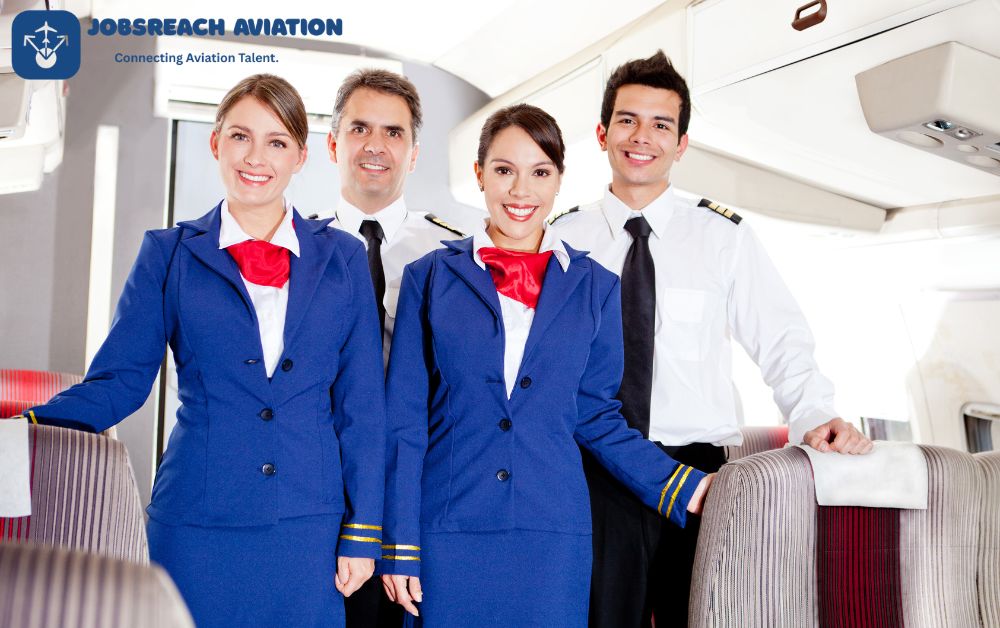
Portrait of happy pilot and air hostess standing in the airport terminal
Centralized Platform for Global Aviation Opportunities
Connecting Pilots to Diverse Roles: JobsReach Aviation can serve as a centralized hub where pilots can find job opportunities not only in traditional commercial aviation but also in specialized fields such as UAV operation, private aviation, and military roles.
International Access: By offering a global platform, JobsReach Aviation can provide access to jobs in various countries, making it easier for pilots to explore opportunities in regions with pilot shortages or high demand for specialized skills.
Personalized Job Matching
Skill-Based Filtering: The platform can help match pilots with opportunities tailored to their specific qualifications, such as flight hours, aircraft type ratings, and areas of expertise (e.g., cargo, charter, corporate).
Career Progression Support: JobsReach Aviation can support career development by offering roles for experienced pilots looking to transition into management, training, or safety positions.
Networking for Aviation Professionals
Building a Community: By fostering a network of aviation professionals, JobsReach Aviation can create a space for collaboration, mentorship, and knowledge sharing. This network would enable pilots to connect with peers, recruiters, and industry experts.
Knowledge Sharing: The platform can feature forums, webinars, and learning modules to help pilots stay updated on industry trends, regulatory changes, and new career opportunities.
Highlighting Industry Trends and Emerging Opportunities
Keeping Pilots Informed: JobsReach Aviation can regularly publish insights into industry trends, emerging roles (e.g., drone pilots, eVTOL operators), and the impact of new technologies on pilot career paths.
Early Access to New Job Markets: By staying ahead of trends like urban air mobility and autonomous aircraft, JobsReach Aviation can help pilots transition into new roles, ensuring that they remain relevant in a rapidly changing aviation landscape.
Global Reach with Localized Support
Regional Jobs: The platform can offer localized job opportunities for specific regions, ensuring pilots can find relevant opportunities while still accessing a global network.
Local Partnerships: JobsReach Aviation can partner with regional airlines, training schools, and regulatory bodies to ensure pilots are connected to local opportunities while staying aware of international prospects.
As autopilot technology advances, pilots remain crucial to the aviation industry in roles that require human judgment, experience, and adaptability. Opportunities for pilots continue to grow in areas like training, corporate aviation, UAV operation, and safety oversight. JobsReach Aviation can play a transformative role in connecting aviation professionals to these opportunities, creating a global platform for pilots to find jobs, access training, and build a professional network that spans diverse sectors of the aviation industry.
Are you searching for a job as an Aircraft Mechanic? Finding quality employment in this specialized field can be challenging, but there are several strategies that can help you secure the best position. In this blog post, we’ll share 7 tips for finding quality employment as an Aircraft Mechanic. Read on to discover how you can enhance your chances of landing the job you want in this competitive market. With these tips and strategies, you’ll be on your way to a rewarding and lucrative career as an Aircraft Mechanic!
To secure quality employment as an aircraft mechanic, it’s crucial to stay updated on the latest industry knowledge. Research relevant aviation databases and organizations to stay informed about aviation regulations, safety standards, and technological advancements.
Mechanics must also keep up with certification requirements to legally practice their trade. Gaining specialized certifications for specific aviation systems or aircraft types can further demonstrate a high level of expertise and enhance marketability.
Proactively seeking additional education on new aviation technologies can be advantageous when searching for employment. Showing initiative in acquiring more knowledge indicates to employers a strong commitment to aviation excellence.
2.Obtain Professional Certification
Obtaining certification as an aviation professional is crucial for aircraft mechanics seeking quality employment. Certification assures potential employers that you have the required knowledge and skills to perform aviation-related tasks safely and effectively.
Achieving aviation certification involves completing a designated aviation course and passing an exam approved by the Federal Aviation Administration (FAA). After certification, it’s important to stay updated on aviation technology, safety protocols, design schematics, and other relevant concepts to maintain your certification status.
Continuing education courses can help you stay current with aviation advancements and keep your certification valid. Pursuing reputable aviation certifications can greatly enhance your employment opportunities as an aircraft mechanic.
3.Connect with Industry Professionals
Connecting with aviation professionals is a crucial strategy for finding quality employment as an aircraft mechanic. Building relationships within the aviation industry can provide valuable insights into the job market and uncover potential job opportunities.
Networking may also help you gain contacts who can offer recommendations or direct you to aviation schools for further training or certifications. To enhance your networking efforts, attend aviation events like seminars, trade shows, and conventions, reconnect with former colleagues, and consider joining aviation associations and clubs.
Regardless of the approach, networking plays a vital role in securing a qualified position in the aviation industry.
4.Investigate Various Employers
Researching potential aviation employers is a crucial step for anyone seeking a career as an aircraft mechanic. Understanding prospective employers helps you identify quality job opportunities and determine where you might be the best fit.
Effective research includes examining employer policies, safety records, and client or customer reviews. Additionally, familiarizing yourself with relevant labor laws in your area is beneficial, as aviation employers often adhere to stringent safety and practice standards.
The more effort you invest in researching various aviation employers, the better positioned you will be to find high-quality employment.
5.Be Adaptable
Securing quality employment as an aircraft mechanic requires adaptability. The aviation industry can be highly competitive, and depending on the region and available programs, employers may not always have immediate openings for aircraft mechanics. However, those who remain flexible may find opportunities to enter the aviation maintenance field.
Being open to new experiences or considering different locations can significantly expand your job prospects. Additionally, gaining cross-training and certification in other areas of aviation, such as UAV drones, helicopter aviation, or aviation maintenance, can further enhance your career opportunities.
Flexibility allows you to explore new horizons and opportunities within the aviation industry, increasing your chances of finding quality employment as an aircraft mechanic.
6.Broaden Your Skill Set
To remain competitive in the aviation industry, aircraft mechanics must continually enhance their skills. While experience is crucial for securing quality employment, obtaining advanced certifications and specialized training can set you apart from other candidates.
Expanding your skill set through aviation-related college courses or attending specialized workshops can significantly benefit you. This demonstrates a deeper understanding of aviation engineering and systems, making you more valuable to employers.
When seeking quality employment, actively look for opportunities to enhance your aviation knowledge and skills.
7.Make Use of Job Boards
As an aircraft mechanic, using job boards is a valuable strategy for discovering quality aviation employment opportunities. Numerous websites list aviation-related job postings, often providing detailed information about the company and the position.
Thoroughly researching available positions and finding a good match between employer and employee can give you an advantage in securing quality aviation employment. Additionally, job boards can offer networking opportunities, helping you build professional connections.
JobsReach Aviation is an effective approach for aircraft mechanics to find employers who appreciate their skills and expertise.
Conclusion
Securing quality aviation employment as an aircraft mechanic is achievable with dedicated effort and strategic approaches. By researching potential employers, staying adaptable to job opportunities, expanding your skill set through education and certification, and networking with industry professionals, aspiring aircraft mechanics can enhance their job search.
JobsReach Aviation utilizes social networking to globally distribute job opportunities to professionals across the aviation industry, including pilots, aircraft engineers, mechanics, ground staff, and others.
With the right dedication and effort, securing a rewarding position in aviation mechanics is well within reach. Here’s how to effectively hire an aircraft mechanic.