Pilots are responsible for safely transporting passengers and cargo across the world while managing advanced aircraft systems, weather conditions, and strict aviation regulations. A pilot’s career involves extensive airline pilot training, rigorous pilot certification requirements, continuous pilot simulator training, and strong teamwork through cockpit resource management training.
Understanding the daily responsibilities of pilots and the pathway to becoming one is essential for aspiring aviation professionals.
If you are considering aviation as a profession, explore this detailed guide:
👉 https://blogs.jobsreach.net/aviation/europe-aviation-career-roadmap-2026-pilot-atc-airport-jobs
This guide explains the European aviation career roadmap for pilots, ATC, and airport professionals.
From early pre-flight preparations to landing a commercial aircraft, pilots play a crucial role in global aviation. This article covers the pilot career path, required certifications, instrument rating training, multi-engine rating requirements, and insights into specialized roles like aerial firefighting pilot jobs.
Pre-Flight Preparation and Pilot Responsibilities
The daily routine of a pilot varies depending on whether they operate short-haul, long-haul, cargo, or private flights. However, most flights follow a structured workflow designed to maintain safety and operational efficiency.
1. Pre-Flight Preparation
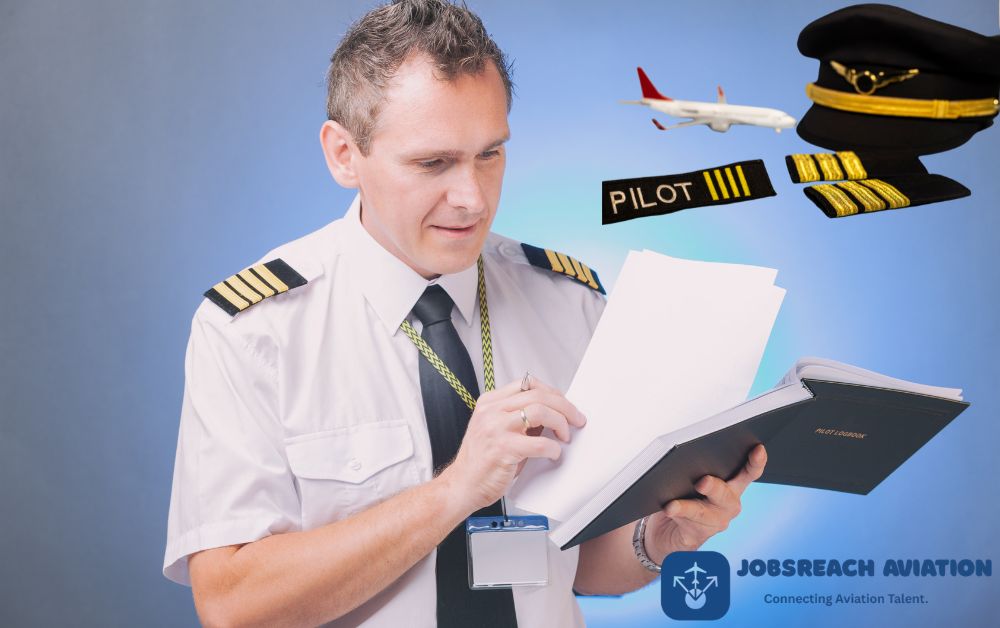
A pilot’s day typically begins hours before departure. This includes reviewing weather conditions, aircraft status, route information, and fuel calculations. Pilots also attend crew briefings where safety procedures, passenger numbers, and operational details are discussed. (Aerospace)
2. Aircraft Inspection
Before boarding begins, pilots conduct external and cockpit inspections to verify that the aircraft systems, navigation equipment, and engines are functioning correctly. (Bureau of Labor Statistics)
3. Takeoff and Flight Operations
During the flight, pilots:
- Communicate with air traffic control
- Monitor engine performance and navigation systems
- Adjust flight paths based on weather or traffic conditions
- Coordinate with cabin crew and operations teams. (Bureau of Labor Statistics)
4. Landing and Post-Flight Duties
After landing, pilots complete flight reports, conduct post-flight inspections, and prepare the aircraft for the next journey.
For long-haul pilots, layovers between flights may last several hours or days to ensure proper rest and compliance with safety regulations. (flightschoolusa.com)
During flights, pilots apply cockpit resource management training, which ensures clear communication between crew members and reduces human errors.
After landing, pilots complete post-flight reports and aircraft system checks.
Whether you’re preparing for cargo pilot jobs or passenger flights, this stage is critical for safety and operational efficiency.
Pilot Certification and Licensing Requirements
Becoming a professional pilot requires multiple certifications:
- Commercial Pilot License Requirements – Necessary to fly professionally and receive payment.
- Pilot Certification Requirements – Cover all regulatory and safety standards for airline operations.
- Pilot Medical Requirements – Mandatory medical exams for fitness to fly.
- Instrument Rating Training – Essential for flying under low-visibility or instrument conditions.
- Multi-Engine Rating Requirements – Needed to operate multi-engine aircraft.
Pilot Certification Pathway
Becoming a professional pilot requires multiple certifications, each representing a higher level of responsibility and expertise.
1. Student Pilot Certificate
The first step allows trainees to begin supervised flight training.
2. Private Pilot License (PPL)
This license allows individuals to fly aircraft privately but not for commercial compensation.
3. Instrument Rating (IR)
Pilots earn this rating to fly in low visibility conditions using cockpit instruments. (Bureau of Labor Statistics)
4. Commercial Pilot License (CPL)
A CPL allows pilots to fly aircraft professionally and receive payment for aviation services. Candidates must typically log around 250 hours of flight time and pass written and practical examinations. (atpflightschool.com)
5. Multi-Engine and Aircraft Type Ratings
Different aircraft require specialized training and certification. For example:
- Boeing 737 Type Rating
- Airbus A320 Type Rating
- Regional jet certifications
6. Airline Transport Pilot License (ATPL)
The highest level of pilot certification, allowing pilots to command commercial airliners as captain. (Wikipedia)
Certification Requirements by Aircraft Type
Different aircraft categories require specialized ratings and training:
| Aircraft Category | Certification Requirements |
|---|---|
| Small single-engine aircraft | PPL or CPL |
| Multi-engine aircraft | Multi-Engine Rating |
| Commercial passenger aircraft | ATPL + Type Rating |
| Cargo aircraft | CPL or ATPL depending on airline |
| Helicopters | Helicopter Pilot License + Type Rating |
Each rating requires ground school, simulator training, and practical flight exams.
Pilot Simulator Training and Airline Training Programs
Most pilots undergo pilot simulator training to master flight controls, emergency procedures, and aircraft systems in a controlled environment. Airlines also provide specialized airline pilot training to prepare pilots for specific aircraft types and operational procedures.
Pilot Career Path and Opportunities in Aviation
The pilot career path can vary widely:
- First Officer → Captain → Fleet Manager
- Cargo Pilot Jobs → Charter or Corporate Aviation
- Specialized roles like aerial firefighting pilot jobs
Average airline first officer salaries vary depending on region, airline, and experience, making aviation a financially rewarding career.
For a detailed guide on long-term pilot career growth, see:
This article explains how pilots advance their careers and transition into leadership roles.
Daily Challenges Faced by Pilots
While aviation offers prestige and high earning potential, pilots face several challenges.
1. Fatigue and Irregular Schedules
Pilots often work overnight flights, cross time zones, and experience disrupted sleep cycles. (Aerospace)
2. High Training Costs
Pilot training can cost tens of thousands of dollars before employment begins. (Aerospace)
3. Continuous Certification
Pilots must regularly pass medical examinations, simulator checks, and safety evaluations to maintain their licenses. (Bureau of Labor Statistics)
4. Responsibility and Pressure
Pilots are responsible for passenger safety, aircraft performance, and compliance with strict aviation regulations.
The Debate Around Single-Pilot Operations
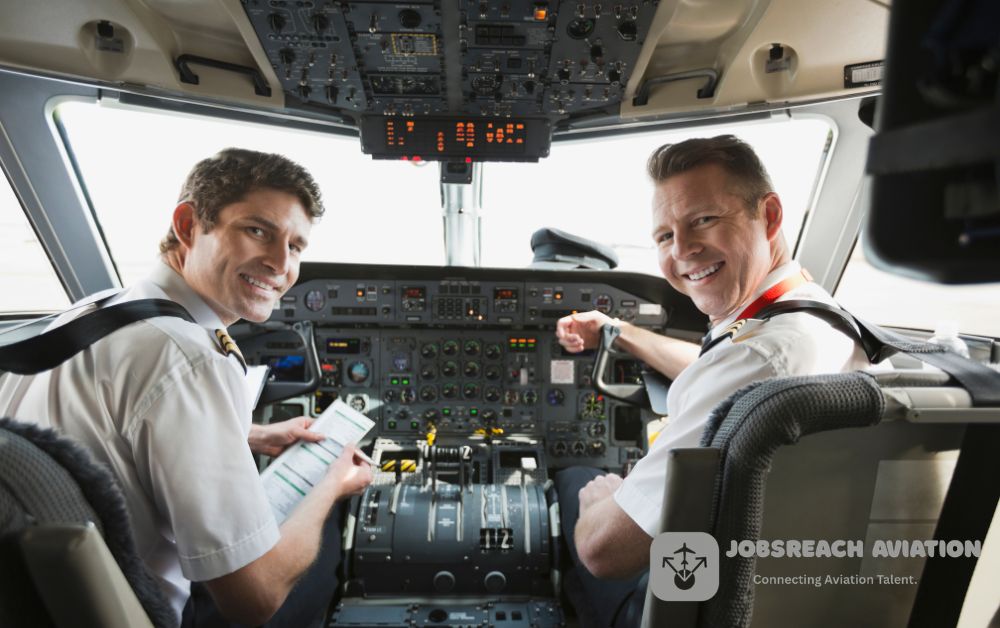
A growing discussion in aviation is the possibility of Single-Pilot Operations (SPO) for commercial aircraft.
Advances in automation and artificial intelligence have prompted some regulators and manufacturers to explore whether future commercial aircraft could be operated by a single pilot, particularly during cruise phases.
However, many aviation professionals argue that:
- Two pilots provide redundancy in emergencies
- Human oversight is critical during complex flight phases
- Fatigue risks increase with single-pilot operations
The debate remains ongoing, with regulators and pilot unions actively involved.
The Role of Professional Networking in Aviation
Pilots connect through unions, professional forums, and airline hiring pilots platforms. Networking helps aspiring pilots find opportunities, mentorship, and guidance.
The aviation industry is highly interconnected. Pilots often share knowledge, mentorship, and job opportunities through professional communities and industry networks.
Traditional networking channels include:
- pilot unions
- aviation conferences
- training academies
- professional forums
However, the aviation industry increasingly relies on specialized digital platforms like JobsReach, designed specifically for aviation professionals.
How JobsReach Aviation Connects Aviation Professionals
One of the emerging platforms supporting aviation professionals globally is JobsReach Aviation.
Unlike general professional networks, JobsReach Aviation focuses exclusively on the aviation industry.
The platform allows professionals to:
- Create a public aviation profile
- Connect with peers and aviation recruiters
- Share insights and industry knowledge
- Ask questions and mentor other professionals
- Discover global aviation job opportunities
JobsReach Aviation also simplifies the hiring process by enabling airlines and aviation companies to connect directly with professionals through targeted industry profiles.
The platform functions as a peer-to-peer professional aviation network, helping pilots and aviation professionals collaborate, learn, and grow their careers.
Key features include:
- Aviation-specific networking community
- One-click applications for aviation jobs
- Professional aviation profiles
- Knowledge sharing and mentorship opportunities
- Direct connections between aviation employers and professionals
Through this ecosystem, aviation professionals can expand their visibility and connect with recruiters worldwide.
Guidance for New Pilots and Aspiring Professionals
- Follow accredited flight schools.
- Focus on instrument rating training and multi-engine rating requirements.
- Gain experience in cargo pilot jobs or small commercial flights.
- Stay active in professional networks and online forums.
- Prepare for airline pilot training and eventual airline recruitment.
Steps to Become an Airline Pilot
Many aspiring aviators search online for how to become a commercial pilot.
The typical pathway includes:
- Enroll in a flight training academy
- Obtain a Private Pilot License
- Complete commercial pilot license requirements
- Finish instrument rating training and multi engine rating requirements
- Accumulate flight hours through instructor or charter roles
- Apply for airline positions
For aspiring pilots with limited flight hours, this guide explains how to secure your first role:
Specialized Pilot Roles in Aviation
Beyond commercial airlines, pilots can pursue specialized aviation careers such as:
Cargo Pilot Jobs
Cargo airlines transport goods globally and often operate overnight or long-haul flights.
Aerial Firefighting Pilot Jobs
These pilots operate aircraft designed to fight forest fires and conduct aerial surveillance.
Charter and Corporate Aviation
Business jet pilots fly executives and private clients.
These specialized roles offer unique flying experiences and career growth.
Future Opportunities in Aviation
The aviation sector continues to grow globally. With new aircraft, technological innovations, and expanding airlines, pilots can explore opportunities in:
- Commercial airlines
- Cargo and freight operations (cargo pilot jobs)
- Emergency and specialized aviation (aerial firefighting pilot jobs)
The industry demand for trained pilots makes how to become a commercial pilot a highly searched topic.
Industry projections estimate that hundreds of thousands of new pilots will be required globally over the next 20 years to support airline fleet growth and replace retiring pilots.
Emerging opportunities include:
- Sustainable aviation operations
- Urban air mobility (eVTOL aircraft)
- Advanced cockpit automation
- Cargo and logistics aviation expansion
Training institutions play a major role in preparing the next generation of pilots.
Learn more about aviation training institutions here:
The Future of Aviation Careers
A career as a pilot requires dedication, continuous training, and strong technical skills. From meeting airline pilot requirements to completing instrument rating training, multi engine rating requirements, and ongoing pilot simulator training, pilots must maintain the highest standards of professionalism and safety.
For aspiring pilots, understanding the steps to become an airline pilot, gaining the right training, and building a strong professional network are essential for long-term success.
With global aviation expanding and platforms like JobsReach Aviation enabling professionals to connect, share knowledge, and discover opportunities, the future for aviation professionals is full of possibilities.
Leave a Reply